
Key Highlights
- Incident:A power line fault disrupted train services in Melbourne.
- Duration:Commuters faced delays of up to two hours during peak hour.
- Response:Officials apologized and are investigating the cause of the fault.
On a recent Tuesday afternoon, Melbourne's bustling train network faced a significant disruption when an overhead power line fault near Armadale halted services on the Cranbourne, Pakenham, and Sunbury lines. This incident occurred during peak hours, leaving thousands of commuters stranded in sweltering conditions, with temperatures soaring to 30 degrees Celsius. The disruption not only interrupted their journeys but also tested their patience as they waited for updates and alternative transport options.
Metro Trains CEO Raymond O’Flaherty addressed the media, acknowledging the fault and its impact on commuters. He expressed sincere apologies to those affected, stating, "I know it was incredibly frustrating," while emphasizing the company's commitment to safety. The fault was attributed to a malfunction between the overhead wiring and a train's pantograph, which is responsible for drawing power from the lines above. This technical issue highlighted the vulnerabilities even in newly upgraded systems.
Premier Jacinta Allan also extended her apologies, stating that the experience was “not the experience that we want passengers on any part of our train network to have.” She assured the public that investigations would continue to determine the cause of the fault and why some passenger information displays failed to provide timely updates. The lack of accurate information left many travelers uncertain about their travel options, exacerbating the frustration felt by commuters.
As crews worked diligently to rectify the situation, a cascade of service cancellations and diversions rippled through the network. Commuters were redirected to alternate City Loop trains or replacement buses where feasible, but the strain on the newly launched timetable became evident. The incident underscored the challenges of managing a complex transportation system, especially during peak hours when demand is at its highest.
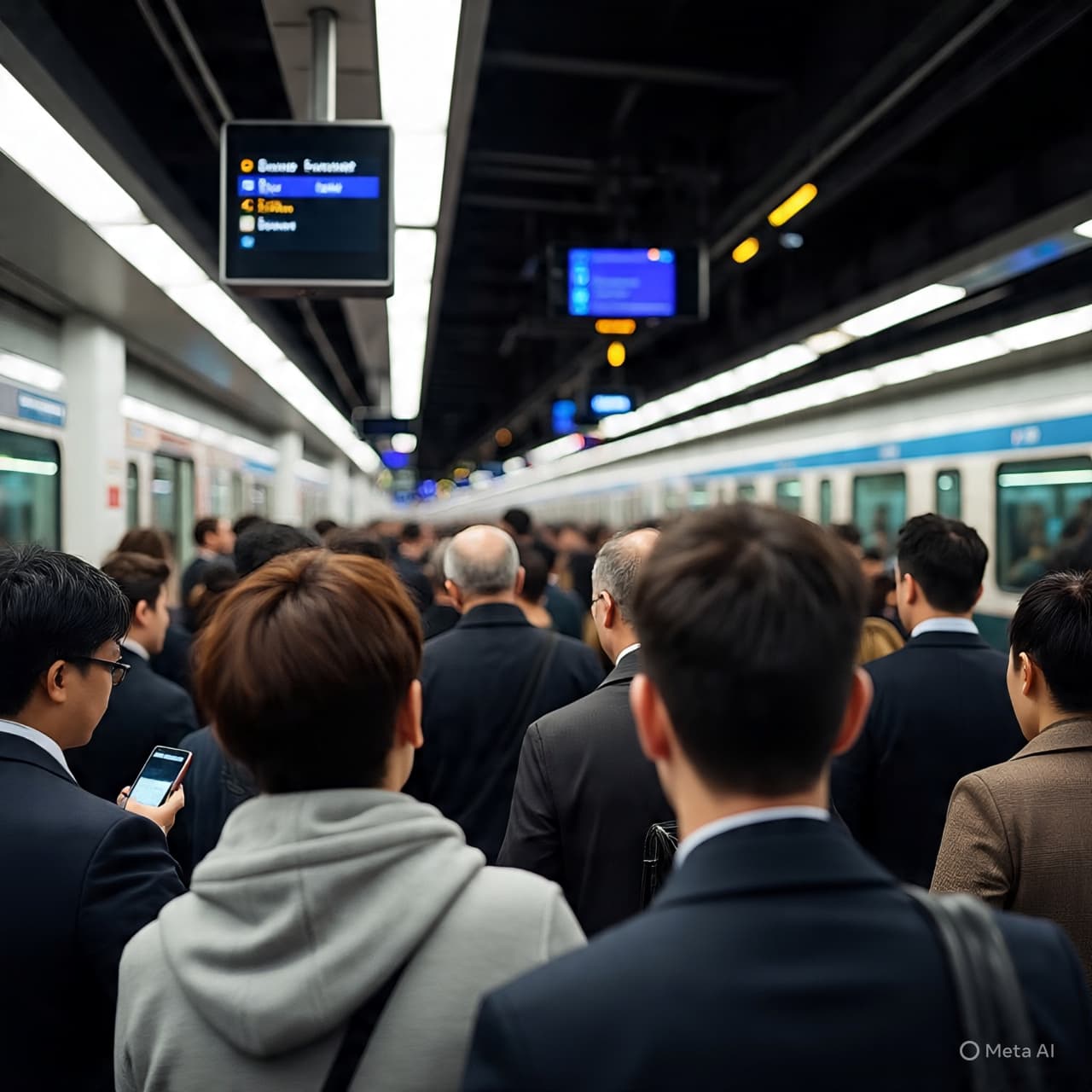
Witnesses described the atmosphere at stations as one of confusion and discomfort. Screens displaying misleading information added to the chaos, while some staff members resorted to verbal communication to guide passengers. A transport and technology commentator noted the difficulties faced by travelers trying to navigate the unexpected service interruption, emphasizing the need for better communication during such events.
This disruption came shortly after the Metro Tunnel's full timetable was implemented, marking a significant change in operations for some of Melbourne's busiest lines. For many commuters, the incident served as a stark reminder that even with recent upgrades, complex engineering systems can encounter unforeseen challenges that disrupt daily life.
As normal services resumed later that evening, both officials and commuters reflected on the event as part of the broader experience of city living. While the interruption was sharp and frustrating in the moment, it also highlighted the resilience of Melbourne's transport network and the importance of continuous improvement in service delivery.
Published by Banx Network. This article is part of the Banx decentralized media programme, powered by the BXE token on the XRP Ledger.



