
Key Highlights
- France detained an Indian captain of a suspected shadow fleet tanker, signaling increased vigilance in maritime law enforcement.
- The incident reflects the complexities of international shipping and the delicate diplomacy between nations.
- Shadow fleets pose significant challenges to maritime regulations, requiring coordinated responses from authorities.
[Recent Detention of a Ship Captain]
At the intersection of oceans, law, and commerce, ships carry more than cargo; they carry stories of trade, trust, and the silent currents that govern international waters. This week, France took the unusual step of detaining an Indian captain of a suspected shadow fleet tanker, a move that rippled across diplomatic channels and maritime communities alike. The incident has drawn attention to the growing issue of shadow fleets, which operate in the shadows of legality, complicating the already intricate world of international shipping.
For maritime authorities, the action reflects a growing vigilance in policing not just the seas themselves, but the complex networks that operate upon them. Shadow fleets — vessels whose ownership or cargo is obscured — present challenges that go beyond standard regulations, demanding coordination, intelligence, and sometimes, swift intervention. In detaining the captain, French officials signaled both caution and resolve, an insistence that legal and environmental standards must be upheld, even when the waters themselves seem vast and indifferent.
[Impact on Maritime Labor]
For the captain and crew, the event is a stark interruption in routine life at sea. Months of navigation, charts, and hours spent observing wind and tide were paused by the sudden arrival of authorities and the weight of suspicion. It is a reminder that maritime labor, while often distant from daily headlines, exists in a space where commerce, legality, and politics converge — where every port, inspection, and docking carries consequences. The crew's experience underscores the human element of maritime trade, often overshadowed by the complexities of international regulations.
[Diplomatic Ramifications]
The incident also underscores the delicate diplomacy inherent in international shipping. India and France, both seasoned players in global trade, now face the task of negotiation, explanation, and mutual understanding. A single detention can become a point of tension or a catalyst for dialogue; it can test the strength of relationships built over decades of commerce, trust, and shared rules of the sea. As both nations navigate this situation, the outcome may influence future maritime interactions and policies.
[Broader Implications for Global Trade]
Ultimately, the story of the detained captain is more than a legal maneuver or news item. It is a reflection on the intricate choreography that sustains global trade: the balance between freedom of navigation and accountability, between opportunity and regulation, between the solitary life of a captain at sea and the far-reaching currents of international oversight. The implications of this incident extend beyond the immediate circumstances, highlighting the ongoing challenges posed by shadow fleets and the need for robust international cooperation.
[Symbolism of the Detained Ship]
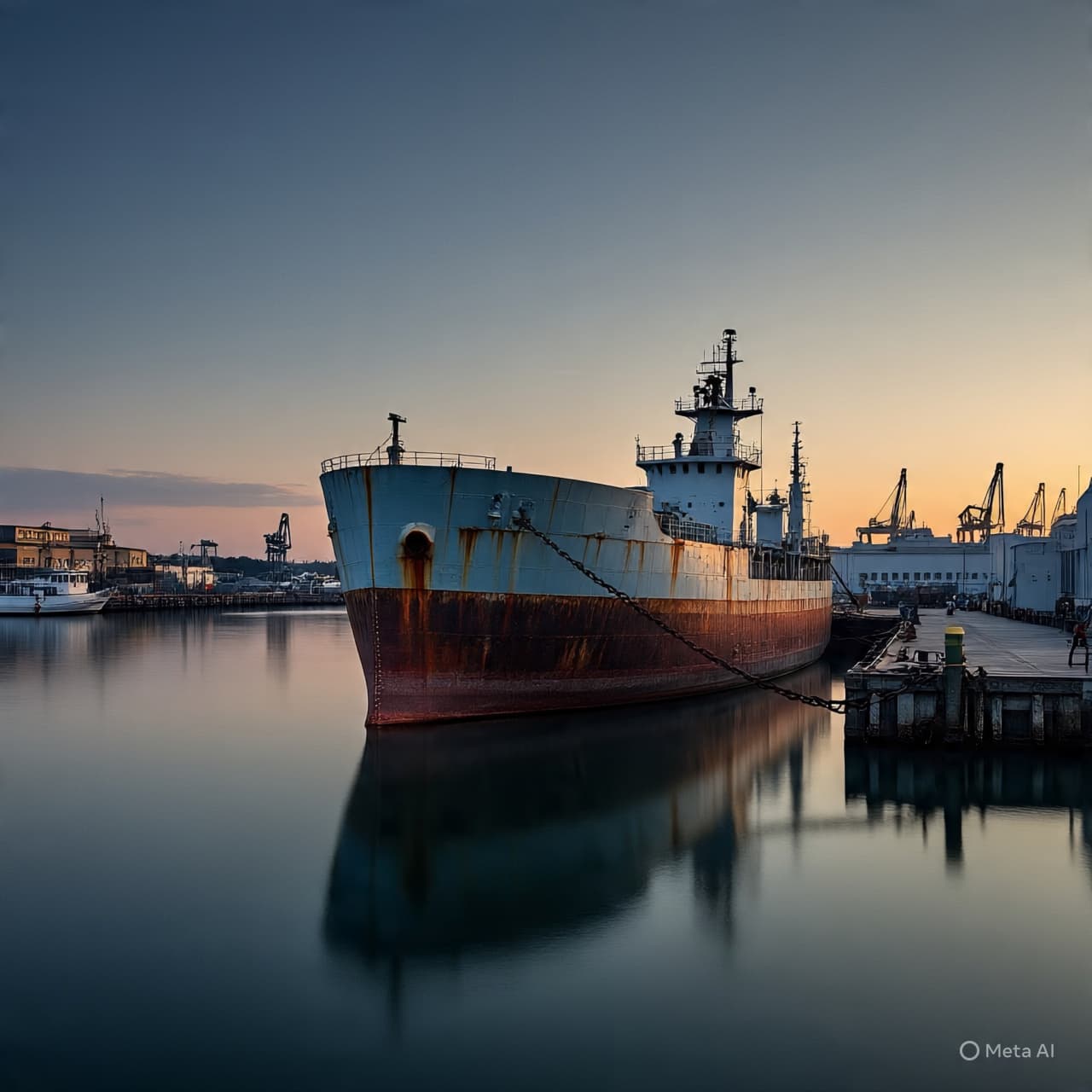
In the quiet of the harbor, the detained ship becomes a symbol — of vigilance, of responsibility, and of the unseen forces that guide the world's waters as surely as the stars once guided sailors home. As maritime authorities continue to grapple with the complexities of shadow fleets, this incident serves as a reminder of the importance of maintaining integrity in global trade and the ongoing efforts required to uphold maritime law.
Published by Banx Network. This article is part of the Banx decentralized media programme, powered by the BXE token on the XRP Ledger.



