In the Caribbean, politics has long moved like the tide itself—sometimes calm, sometimes forceful, but rarely free from history’s shadow. The relationship between the United States and Cuba remains shaped by decades of distrust, ideological distance, and moments of confrontation that continue to echo across generations. Even brief political statements can reopen memories that never entirely faded.
Recent remarks attributed to former U.S. President Donald Trump have stirred renewed discussion regarding relations between Washington and Havana. Cuban officials responded cautiously but firmly after statements interpreted domestically as aggressive rhetoric toward the island nation. Authorities in Cuba emphasized preparedness and national sovereignty while calling for vigilance against external pressure.
The controversy emerged after comments circulating in political discussions suggested stronger American interventionist approaches toward Cuba if future policy directions change. Although no official military action has been proposed by current U.S. authorities, the rhetoric quickly attracted attention due to the long and sensitive history between the two countries.
Cuban state media described the remarks as provocative and framed them within the broader history of U.S.-Cuba tensions dating back to the Cold War era. Government representatives stressed that Cuba would continue strengthening defensive readiness while maintaining its political independence.
Political analysts noted that rhetoric surrounding Cuba often intensifies during election periods in the United States, particularly among figures appealing to specific voter communities. The symbolic significance of Cuba in American domestic politics continues to influence public statements even when practical policy shifts remain uncertain.
At the same time, diplomatic observers cautioned against interpreting campaign-era language as immediate geopolitical strategy. Relations between nations, especially those shaped by decades of sanctions and diplomatic complexity, are typically guided through institutional processes rather than isolated remarks alone.
Residents in Cuba have meanwhile continued navigating ongoing economic challenges, including shortages, inflation pressures, and migration concerns. For many ordinary citizens, international political tensions often intersect directly with daily economic realities, making external rhetoric deeply consequential beyond diplomacy itself.
Regional governments in Latin America have also encouraged stability and dialogue, reflecting broader concerns about maintaining calm throughout the hemisphere. While strong language may dominate headlines, many diplomatic actors continue emphasizing negotiation over confrontation.
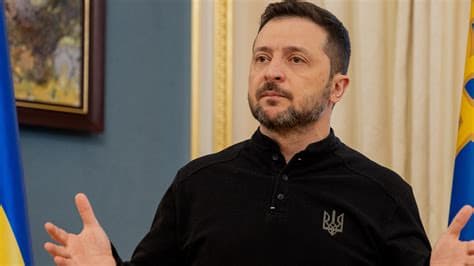
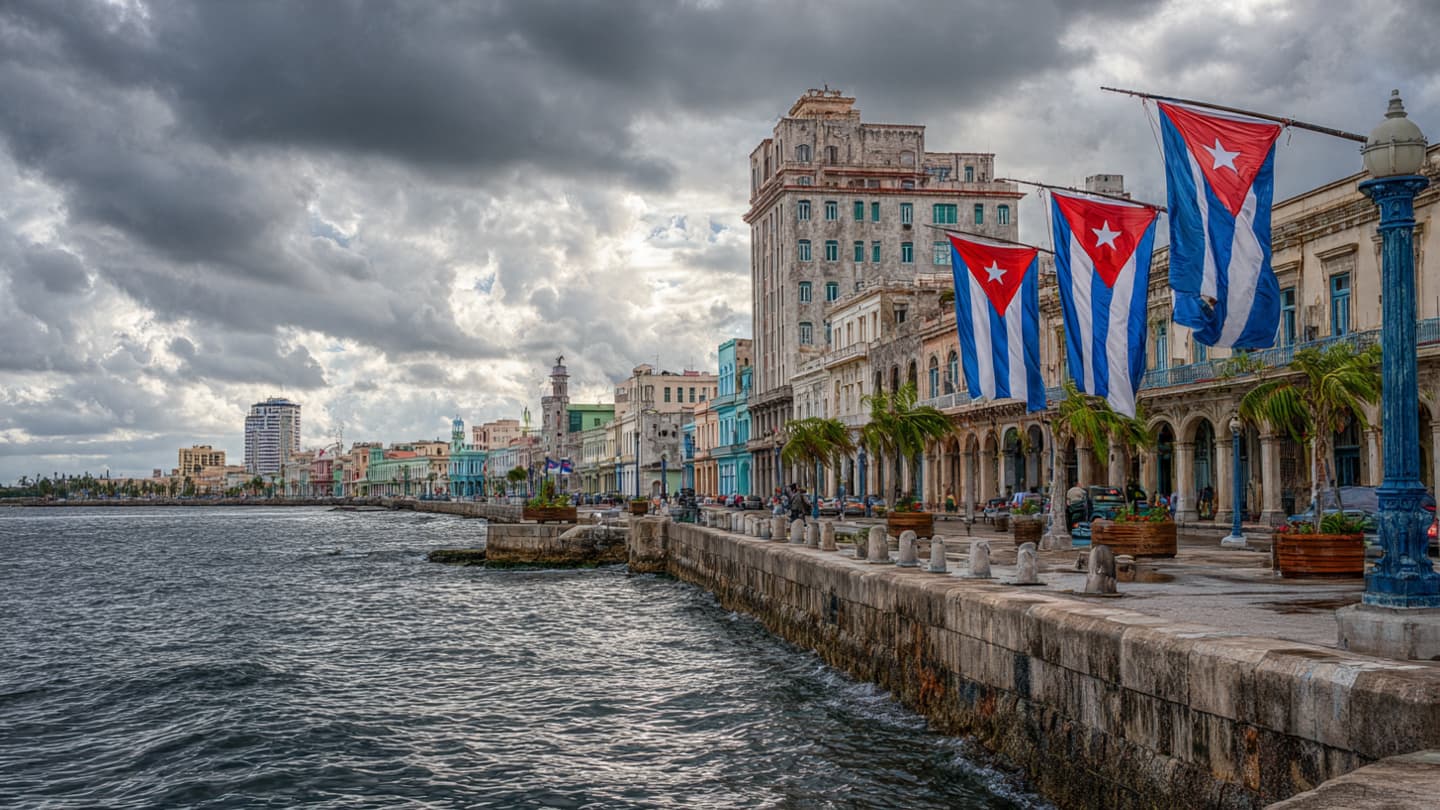
Images used in this article are AI-generated illustrations created to visually represent the broader geopolitical atmosphere discussed.
Sources: Reuters, Associated Press, BBC, CNN
Published by Banx Network. This article is part of the Banx decentralized media programme, powered by the BXE token on the XRP Ledger.