
Key Highlights
- Indonesia faces significant challenges in managing plastic waste due to its vast archipelago.
- Local communities and environmental groups are implementing innovative solutions to combat pollution.
- The country is exploring alternative materials and recycling methods to protect its marine ecosystems.
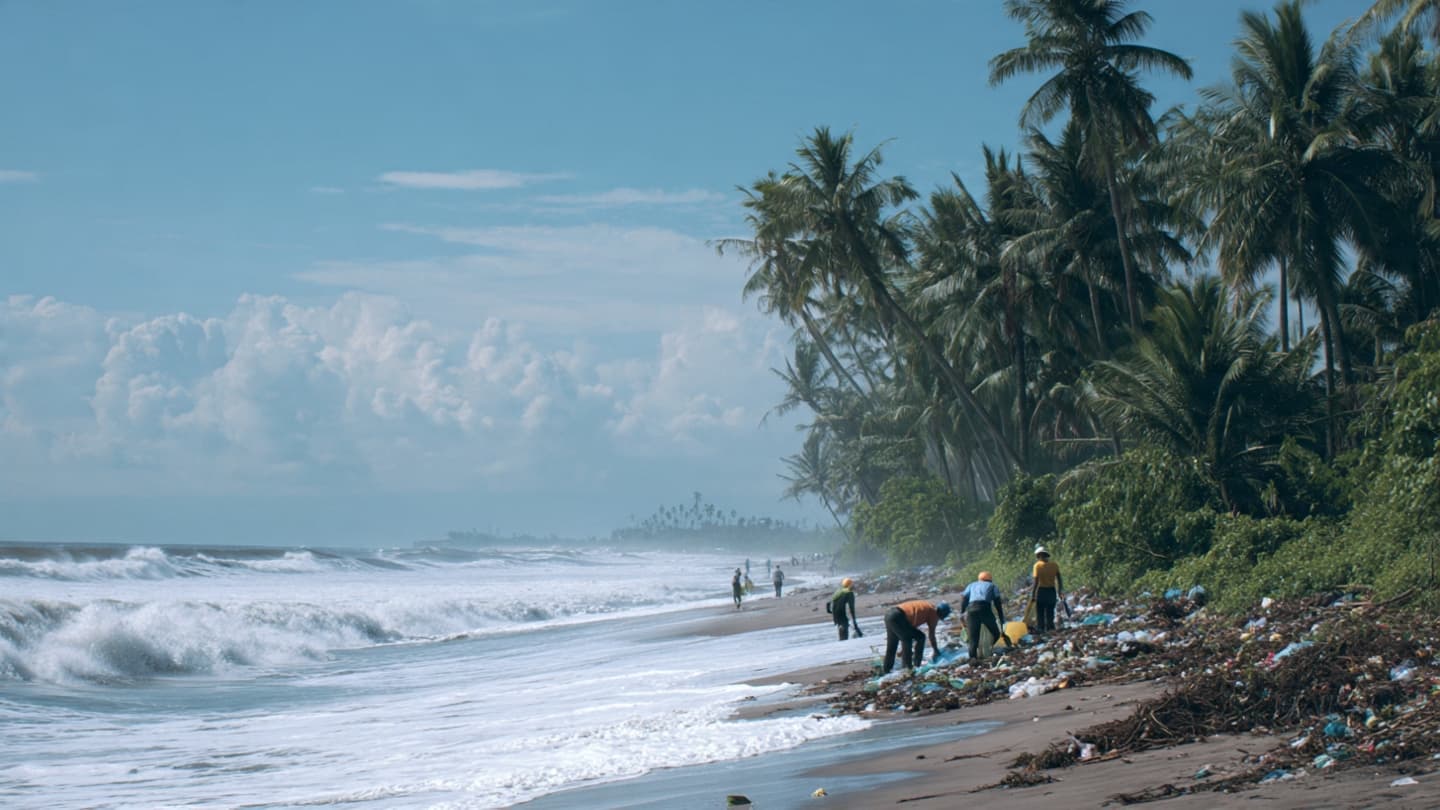
Indonesia, an archipelagic nation with over 17,000 islands, grapples with a pressing environmental crisis: plastic pollution. The convenience of plastic has led to its widespread use, but this has resulted in severe consequences for the country’s rivers, beaches, and marine environments. As one of the world’s largest producers of plastic waste, Indonesia's struggle reflects a broader global issue that demands urgent attention.
The unique geography of Indonesia complicates waste management efforts. Many islands lack adequate infrastructure for waste collection and processing, leading to significant amounts of plastic waste entering the ocean. According to the United Nations Environment Programme, Indonesia is one of the top contributors to ocean plastic pollution, which poses a threat to marine biodiversity and local fishing communities.
In response to this crisis, various stakeholders, including local communities, environmental organizations, and government institutions, are working together to implement solutions. Initiatives such as recycling programs, waste separation, and public awareness campaigns are gaining traction. For instance, the nonprofit group Sungai Watch has made strides in cleaning up plastic waste from rivers, highlighting the importance of community involvement in tackling this issue.
The connection between plastic pollution and ocean ecosystems is particularly concerning. Indonesia's waters are home to diverse marine life, and the presence of plastic can disrupt these ecosystems. Efforts to reduce plastic waste are not only about cleaning up the environment but also about preserving the rich biodiversity that supports local livelihoods.
Innovation plays a crucial role in Indonesia's fight against plastic pollution. Researchers and businesses are exploring alternative materials that can replace single-use plastics, as well as developing improved recycling technologies. The concept of a circular economy, where waste is minimized and materials are reused, is gaining momentum as a viable solution to the plastic crisis.
However, the challenge of plastic pollution extends beyond Indonesia's borders. Countries around the world are grappling with similar issues, and the need for collaborative solutions is more pressing than ever. International cooperation and knowledge sharing can help nations develop effective strategies to reduce plastic waste while balancing economic growth.
Ultimately, the success of environmental initiatives in Indonesia hinges on community engagement and education. Local populations must be informed and involved in the decision-making processes to ensure the sustainability of these programs. The journey toward cleaner shores and healthier oceans is ongoing, marked by incremental changes rather than a single sweeping solution.
As Indonesia continues its efforts to combat plastic pollution, the focus remains on protecting its landscapes and marine environments while adapting to the demands of modern life. The collective actions of communities, organizations, and governments will shape the future of Indonesia's environmental health.
Published by Banx Network. This article is part of the Banx decentralized media programme, powered by the BXE token on the XRP Ledger.



