In Gaza, where the dust of past conflicts settles into daily life, plans for renewal often meet both hope and hesitation. Jared Kushner’s vision for rebuilding the beleaguered territory promises new infrastructure, investment, and a chance at economic growth. Yet the gleam of ambition encounters the weight of reality: political divisions, fragile governance, and decades of entrenched hardship make each blueprint a negotiation with circumstance.
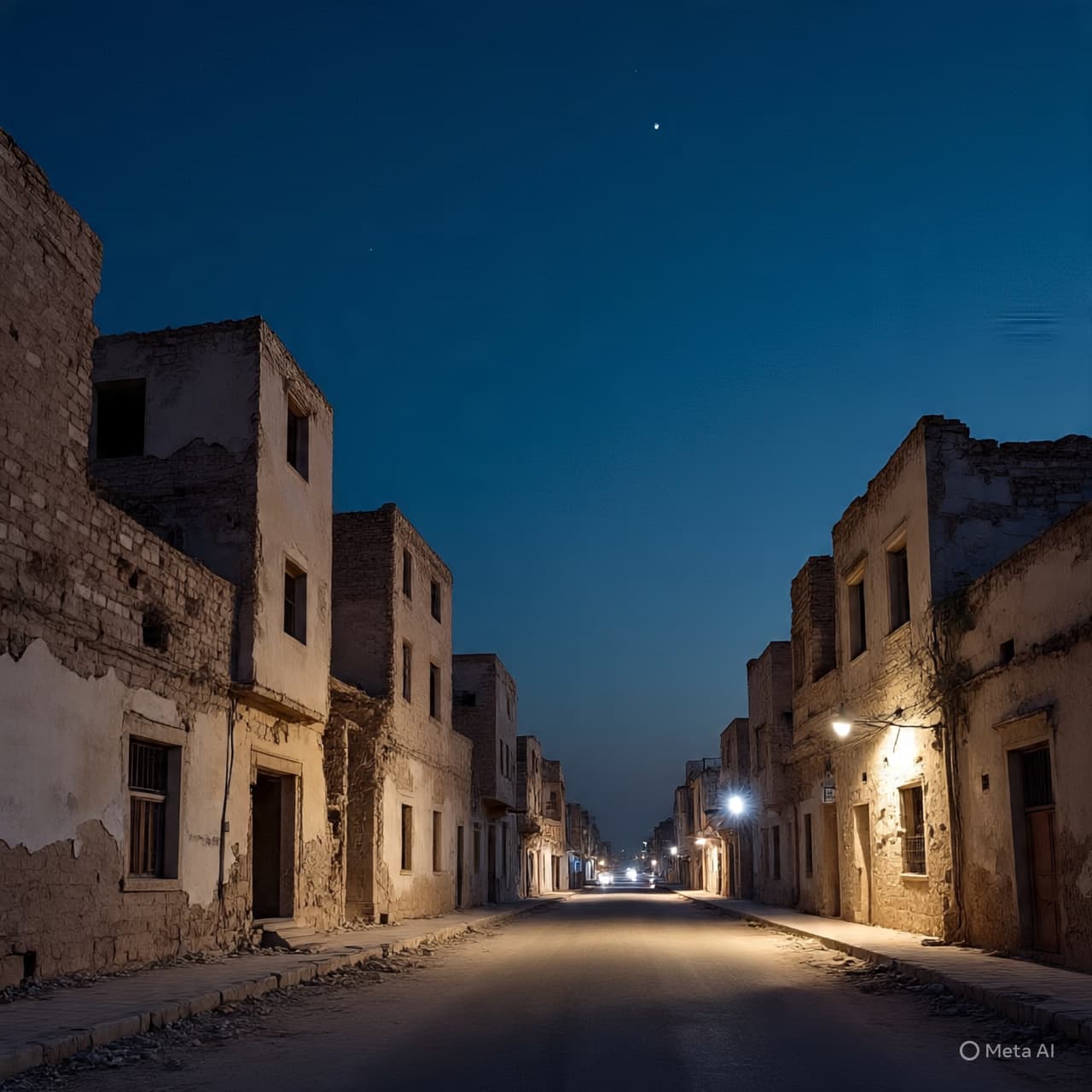
The plan speaks in the language of opportunity — housing, industrial zones, and modernized ports. But beneath the outlines, Gaza’s streets tell a different story. Electricity remains intermittent, water and sanitation networks struggle, and communities navigate the delicate balance between survival and aspiration. International donors and neighboring governments listen carefully, weighing potential progress against the risks of mismanagement and escalation.
Even as policy discussions unfold in distant offices, the daily rhythm of life continues in Gaza. Markets hum, children play amidst rubble, and families move with quiet resilience. Here, ambition must contend not only with politics, but with the lived reality of people whose endurance has been tested for generations. Kushner’s plan, however well-intentioned, confronts a central truth: rebuilding a place is never only a matter of funding; it is an engagement with history, social fabric, and human complexity.
The unfolding question is whether vision can translate into tangible change, or if it will remain a design on paper, a reminder that the greatest challenges in Gaza lie not in plans but in the lived experience of those who call it home.
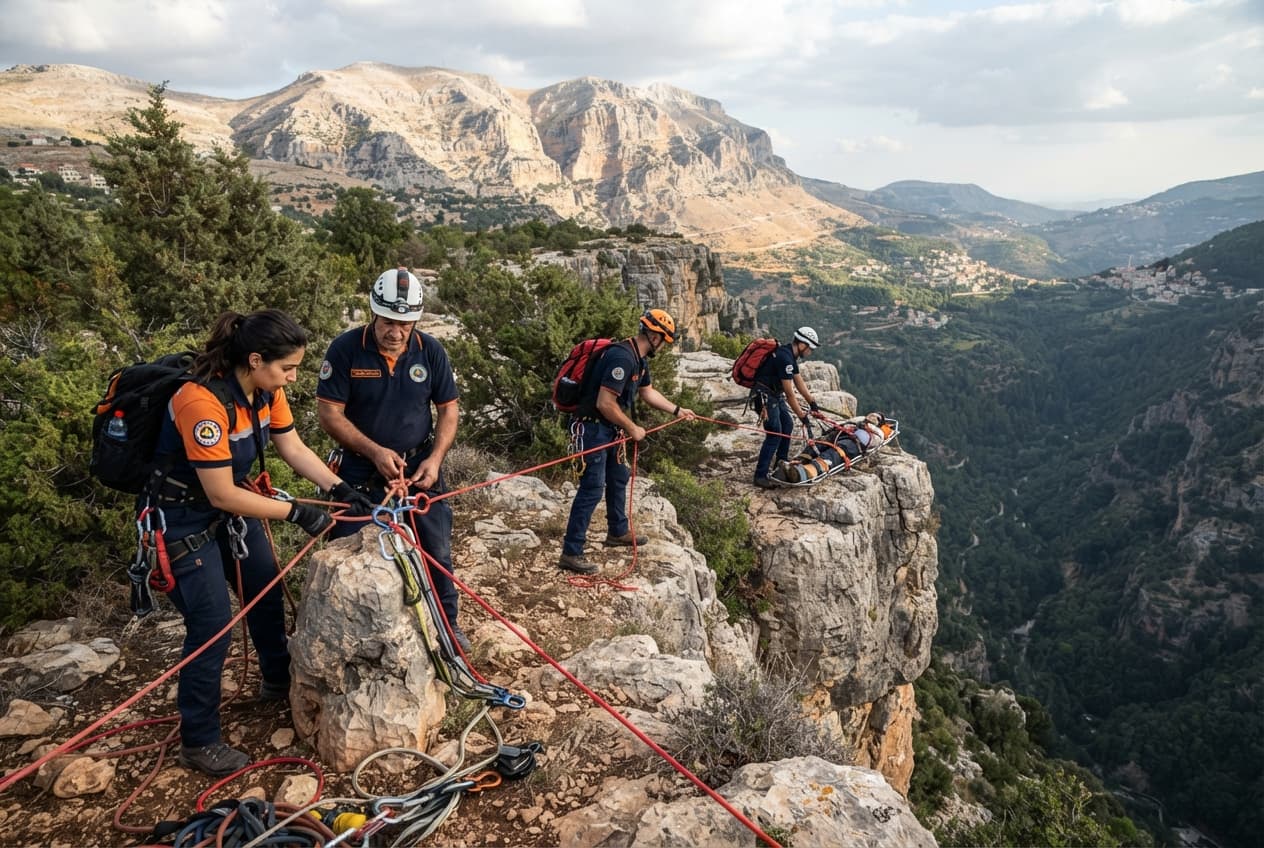
AI Image Disclaimer Illustrations were created using AI tools and are not real photographs.
Sources Reuters; Al Jazeera; The Guardian; The New York Times; Middle East Monitor
Published by Banx Network. This article is part of the Banx decentralized media programme, powered by the BXE token on the XRP Ledger.