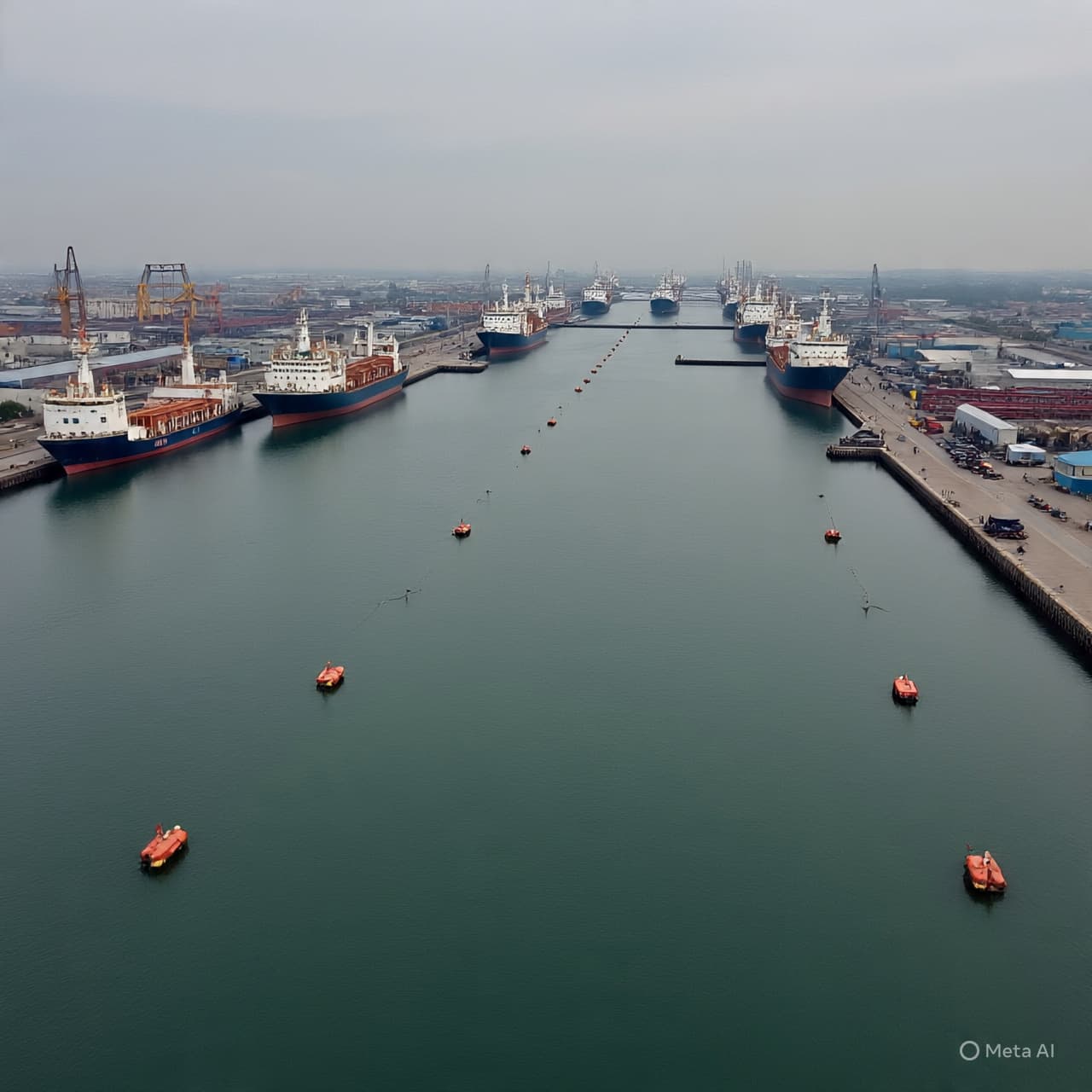
At the edge of the Black Sea, a pipeline once thought secure now lies at the heart of a fraught confrontation — its moorings shattered, its tankers withdrawn, and the fate of an entire nation’s oil trade in limbo. On November 29, the marine loading terminal of the Caspian Pipeline Consortium in Novorossiysk suffered a naval drone strike that crippled a key Single-Point Mooring, forcing an immediate halt to oil loadings and triggering global ripples.
For Kazakhstan, the blow cut off its main export corridor — the CPC route carries about 80% of its crude exports, coming from major fields like Tengiz, Karachaganak and Kashagan. Overnight, a pipeline that once promised stable supply turned into an alarming vulnerability.
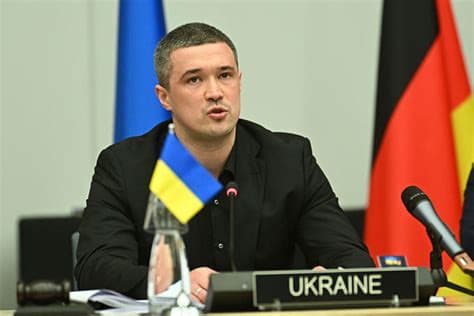
In a strong diplomatic move, Kazakhstan’s Foreign Ministry condemned the attack and formally called on Ukraine to cease targeting the CPC terminal, calling it “an exclusively civilian facility whose operation is protected by norms of international law.” The ministry warned that such repeated strikes — this was reportedly the third on the facility this year — harm not only Kazakhstan’s economic interests but also bilateral relations.
In response, CPC suspended operations, and tankers waiting offshore were ordered to withdraw. Meanwhile, Kazakhstan’s energy authorities activated emergency plans to reroute exports via alternative corridors — an attempt to mitigate losses while keeping production flowing.
But rerouting isn’t simple. The CPC pipeline runs some 1,500 km from the Caspian oil fields to Novorossiysk — a strategic artery that once symbolized reliability. Its shutdown exposes how deeply Kazakhstan, and global buyers, depend on infrastructure mapped long before today’s geopolitical storms.
For Kazakhstan, the stakes are high. Loss of access to its usual shipping route could disrupt exports, hit revenues, and expose the fragility of supply chains. For the broader world, the halt threatens stability in oil markets already jittery from war-driven supply shocks.
As cities ponder the cost of energy, cargo markets weigh disruption, and diplomats shuffle warnings and demands — one question looms: can oil ever flow cleanly again through a sea of conflict?
AI image disclaimer Visuals are generated with AI tools and intended for representation only, not actual photographs.
Sources Reuters, South China Morning Post, Orda.kz (Kazakh media), CPC official release, the Straits Times
Published by Banx Network. This article is part of the Banx decentralized media programme, powered by the BXE token on the XRP Ledger.