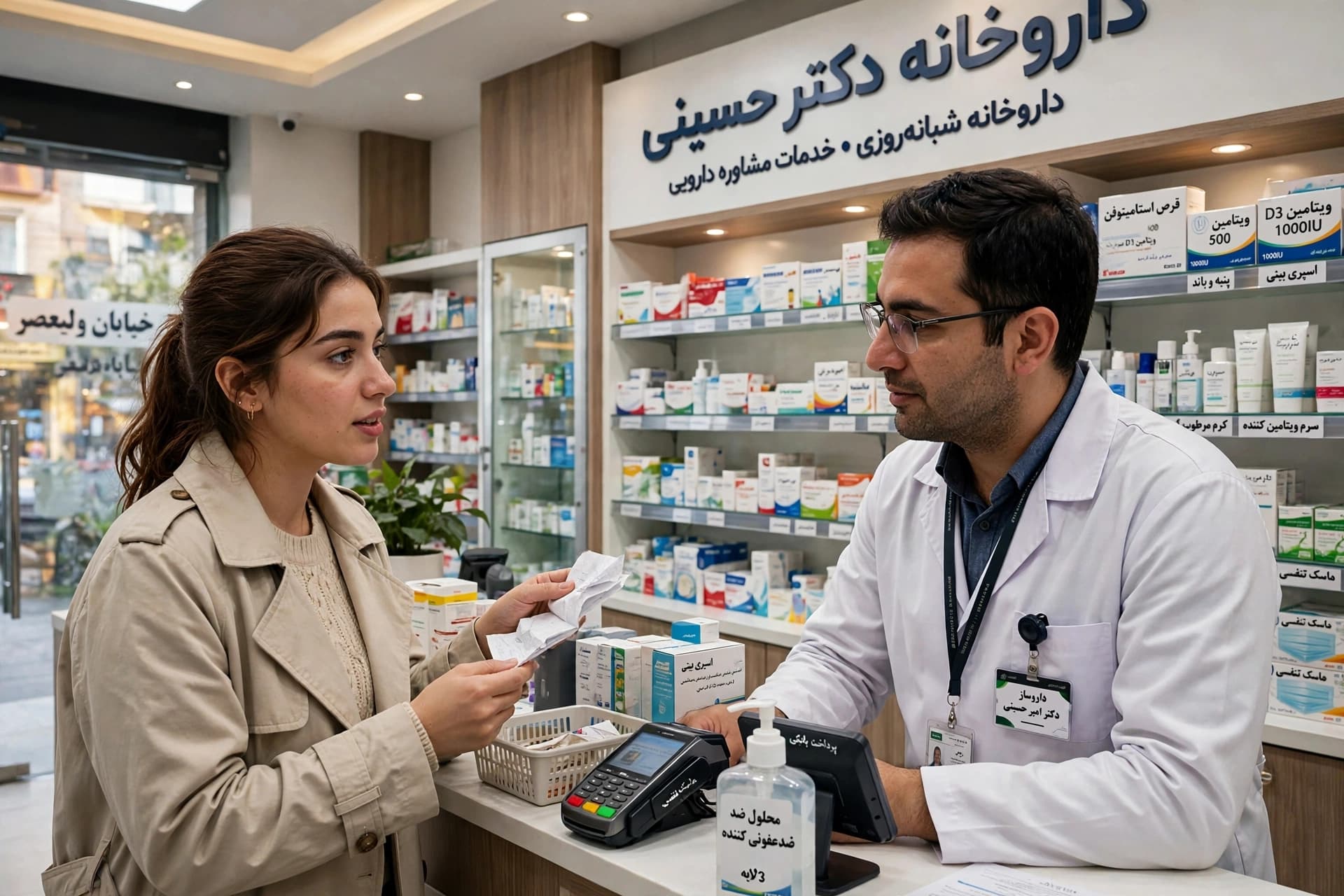
In a pharmacy, the absence of a medicine can be more immediate than any economic statistic. A prescription may be in a patient's hand, yet the treatment itself can remain difficult to find.
Iran is facing rising medicine prices and shortages as pressure on pharmaceutical supply chains makes access to some medicines increasingly difficult, according to reporting by the Associated Press.
The situation involves several parts of the pharmaceutical system, including imports, domestic production, foreign currency availability, transportation, and access to raw materials.
Iran produces a substantial portion of its medicines domestically, but pharmaceutical manufacturing still depends on imported ingredients and equipment. Disruptions in those supply chains can therefore affect production even when the final medicine is made inside the country.
Currency pressures can add another layer of difficulty. Pharmaceutical companies need access to foreign currency to purchase imported materials and other products, while changes in exchange rates can increase the cost of medicines.
For patients, those pressures can eventually appear at the pharmacy counter. Prices may rise, while certain medicines become harder to locate or require patients to search among multiple pharmacies.
Healthcare providers can face similar challenges. Doctors may need to consider whether particular medicines are available when planning treatment, especially for patients who require continuous medication.
The consequences are particularly significant for people with chronic conditions, because their treatment often depends on a regular supply of specific medicines. Interruptions can create additional uncertainty for patients and healthcare professionals.
Iran's pharmaceutical system has faced supply difficulties for years, but the latest pressures are unfolding within a broader economic environment marked by restrictions on trade and financial transactions.
The government and pharmaceutical sector have taken measures to maintain domestic production and improve access to medicines, but supply chains remain vulnerable to disruptions beyond the control of individual pharmacies or patients.
The medicine shortage story therefore extends beyond empty shelves. It is a story about the long chain connecting factories, imported ingredients, currencies, transportation networks, pharmacies, doctors, and patients. When one part of that chain becomes strained, the effects can eventually reach the most personal point of all—the medicine a patient needs when it is time to take it.
SEO SLUG
iran-medicine-shortages-rising-prices-pharmaceutical-supply-2026
HASHTAGS
#Iran #MedicineShortages #Healthcare #Pharmaceuticals #Health #DrugSupply #MedicalCare #Business
IMAGE DISCLAIMER
This AI-generated image is a conceptual editorial representation of pharmaceutical supply challenges and does not depict an actual Iranian pharmacy, patient, or medicine shortage location.
SOURCES
Associated Press World Health Organization Iran Food and Drug Administration
Published by Banx Network. This article is part of the Banx decentralized media programme, powered by the BXE token on the XRP Ledger.