
Key Highlights
- Ceasefire Extension:The U.S. has extended a ceasefire arrangement, signaling a pause in hostilities.
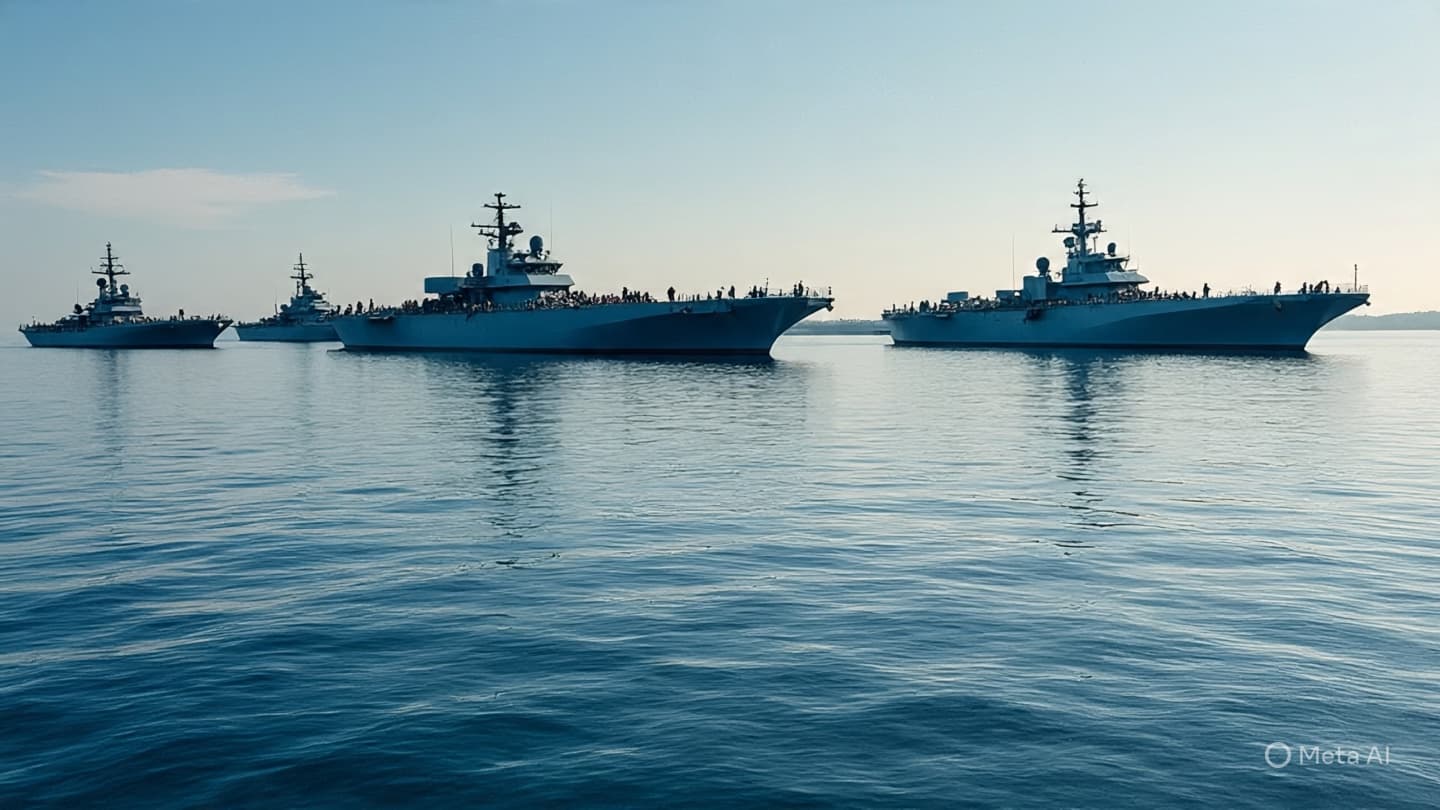
- Military Readiness:U.S. forces remain on heightened alert, balancing diplomacy with operational vigilance.
- Fragile Peace:The situation underscores the delicate nature of peace arrangements reliant on mutual restraint.
In the quiet space between tension and restraint, diplomacy often unfolds not as a grand gesture, but as a careful extension of time. A ceasefire, after all, is less a conclusion than a pause—an agreement to hold still while uncertainty continues to move beneath the surface. The recent decision by the United States to extend a ceasefire arrangement with Iran reflects this delicate balance. While the extension signals an intention to avoid immediate escalation, it is accompanied by a parallel message: readiness remains intact.
Officials have confirmed that U.S. military forces continue to operate under heightened alert conditions. This dual posture—diplomatic restraint paired with operational vigilance—illustrates the complexity of managing geopolitical tensions in the region. The relationship between the United States and Iran has long been shaped by cycles of confrontation and negotiation. Ceasefires, whether formal or informal, often emerge as temporary bridges across deeper strategic divides.
Military preparedness in this context serves not only as a deterrent but also as reassurance to regional allies. It signals that while dialogue is being preserved, the capacity to respond remains firmly in place. Analysts suggest that extending the ceasefire may provide additional space for indirect negotiations or backchannel communications. Such intervals, though often quiet, can play a significant role in preventing sudden escalations.
At the same time, the situation underscores the fragile nature of peace arrangements that rely on mutual restraint rather than comprehensive agreements. Each extension carries with it both hope and uncertainty. For observers, the development offers a reminder that diplomacy is rarely linear. It moves in pauses and continuations, shaped by decisions that seek to balance caution with preparedness.
The ceasefire extension maintains a temporary calm, while underlying tensions continue to require careful management by all parties involved. As the U.S. and Iran navigate this complex landscape, the interplay between diplomacy and military readiness will remain a critical factor in shaping future relations.
Published by Banx Network. This article is part of the Banx decentralized media programme, powered by the BXE token on the XRP Ledger.



