Inside a hospital, time often disappears in places patients never see. Before a consultation begins, doctors may spend long periods reviewing records, organizing information and preparing notes. In Singapore, a new artificial intelligence platform is beginning to change some of those quiet hours without removing the clinician from the center of the process.
AgentSea, developed by national health technology agency Synapxe with Amazon Web Services, allows public healthcare professionals to create customized AI agents using natural-language instructions. The platform is designed for tasks such as summarizing patient notes, preparing reports and creating staff rosters.
One example comes from the National Heart Centre Singapore. Cardiologist Kenneth Chew created an AI assistant to help with pre-consultation preparation. Work that previously required at least 40 minutes a day for as many as 20 patients was reduced by roughly half after he began using the system.
The change is modest in appearance but meaningful in a busy clinical environment. Time saved on repetitive information processing can potentially be redirected toward conversations with patients, reviewing complex cases and other responsibilities that depend on professional judgment.
The platform was designed with patient privacy in mind. Healthcare workers deal with sensitive information, and the system includes safeguards intended to prevent inappropriate handling of data. It can also reject requests for particularly sensitive information such as credit card details or personal identification numbers.
The reach of AgentSea has expanded quickly. It is available to more than 80,000 healthcare professionals across Singapore's public health sector, and more than 12,000 AI agents had been created by healthcare workers since the platform's launch at the end of May. More than 300 of those agents had also been made available for others to reuse and adapt.
The applications extend beyond doctors' notes. At KK Women's and Children's Hospital, an AI agent has been used to generate daily staff rosters, reducing manual data entry and the possibility of transcription errors. Such examples show how AI can enter healthcare through ordinary administrative tasks rather than dramatic changes to medical treatment.
That distinction remains important. The technology is intended to support professional work rather than replace clinical assessment. The platform's developers and Singapore health authorities have emphasized the need for safety evaluation, monitoring and incident reporting as AI systems become more capable.
Singapore has also begun working with healthcare institutions in South Korea and Taiwan on an evidence-based framework for measuring AI outcomes. The aim is to look beyond whether a system works technically and examine whether it creates meaningful value within actual healthcare settings.
The experiment therefore carries a simple but consequential question: if machines can absorb some of the repetitive work surrounding medicine, can human attention be returned to the moments where it matters most? Singapore's latest AI initiatives suggest that the answer is being explored not through grand declarations, but through thousands of small digital assistants working quietly inside the healthcare system.
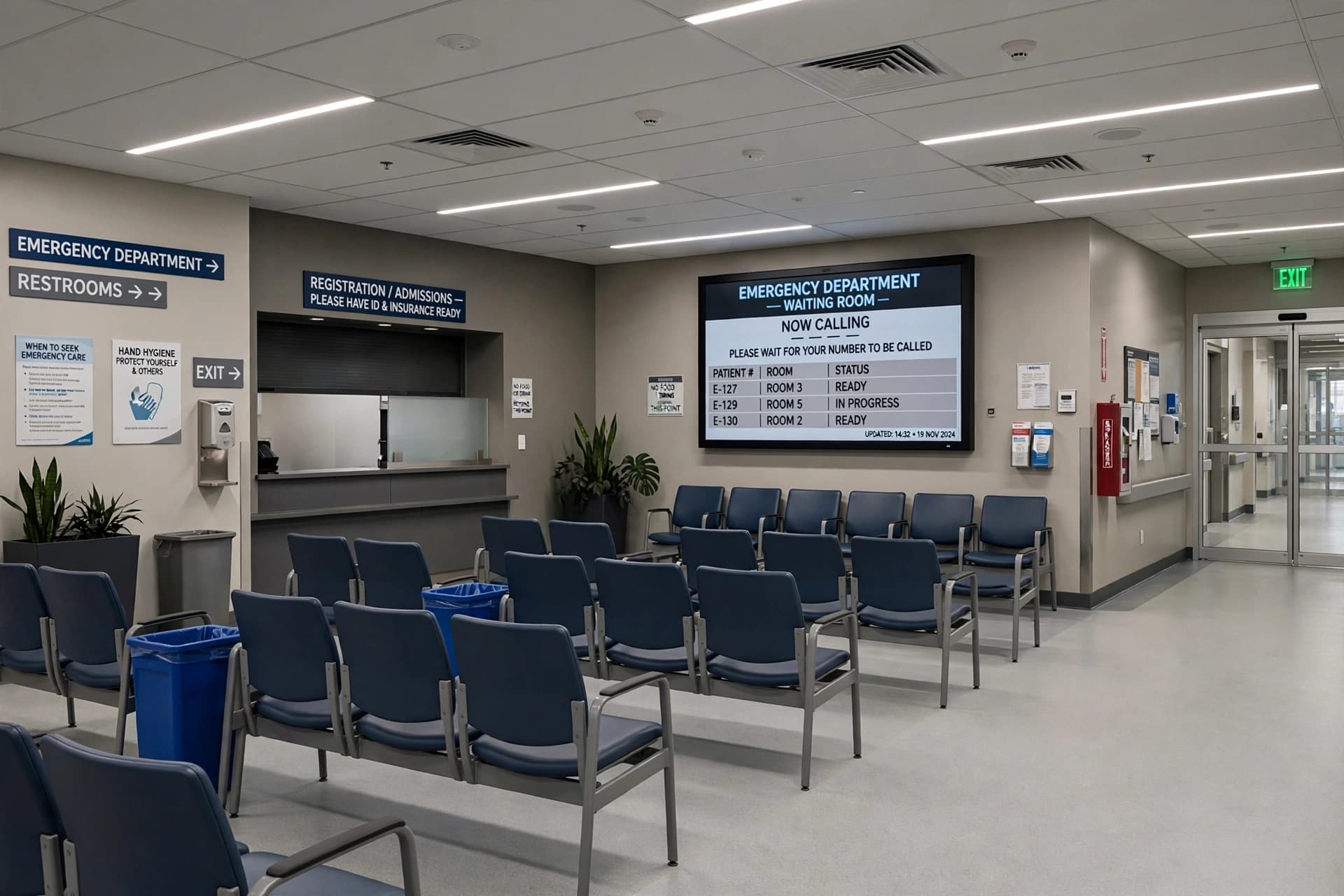
AI Image Disclaimer These illustrations were produced using AI technology and are intended only to visualize the subject described in the article.
Sources The Straits Times Synapxe Amazon Web Services Ministry of Health Singapore HIMSS
Published by Banx Network. This article is part of the Banx decentralized media programme, powered by the BXE token on the XRP Ledger.