The morning sun casts long shadows across the vast fields where cattle once grazed freely, the grass bending in gentle undulations under the breeze. There is a quiet unease now, subtle and pervasive, like the pause in a rhythm suddenly interrupted. Across three states in the heart of America, a recall has swept through stores and homes: a substantial quantity of ground beef pulled from shelves due to the risk of E. coli contamination.
The notice, urgent yet measured in its language, lists multiple products, packaging dates, and distribution chains — a web stretching from processing plants to kitchens across the region. Food safety authorities have urged consumers to refrain from consuming the affected items, emphasizing that even familiar meals may conceal an invisible hazard. It is a reminder that the ordinary paths from field to plate, often taken for granted, are interlaced with care, diligence, and occasional fragility.
For families and individuals, the recall carries both practical and reflective weight. Refrigerators are emptied, meals postponed, routines interrupted. The hum of daily life — chopping, frying, sharing dinner — is tempered with caution, and in that pause, the contours of our reliance on complex food systems become visible. Behind each package of meat is a chain of labor, logistics, and oversight, all now illuminated by the unexpected tremor of risk.
The recall is not merely an operational directive; it is a moment to consider the fragility of everyday consumption and the unseen threads connecting human activity to microbiology. E. coli, silent and invisible, has prompted a collective vigilance, turning attention from the ordinary to the careful, from motion to stillness. Health authorities continue to track reports and advise on precautionary steps, and the broader effort underscores a shared responsibility to anticipate and respond to hazards before they manifest in harm.
In practical terms, the affected ground beef has been traced to multiple stores across the three states, and the recall includes guidance for safe disposal or return. While no outbreak has been reported at the time of notice, authorities caution that symptoms of E. coli infection — from gastrointestinal distress to more severe complications — require immediate attention should they occur.
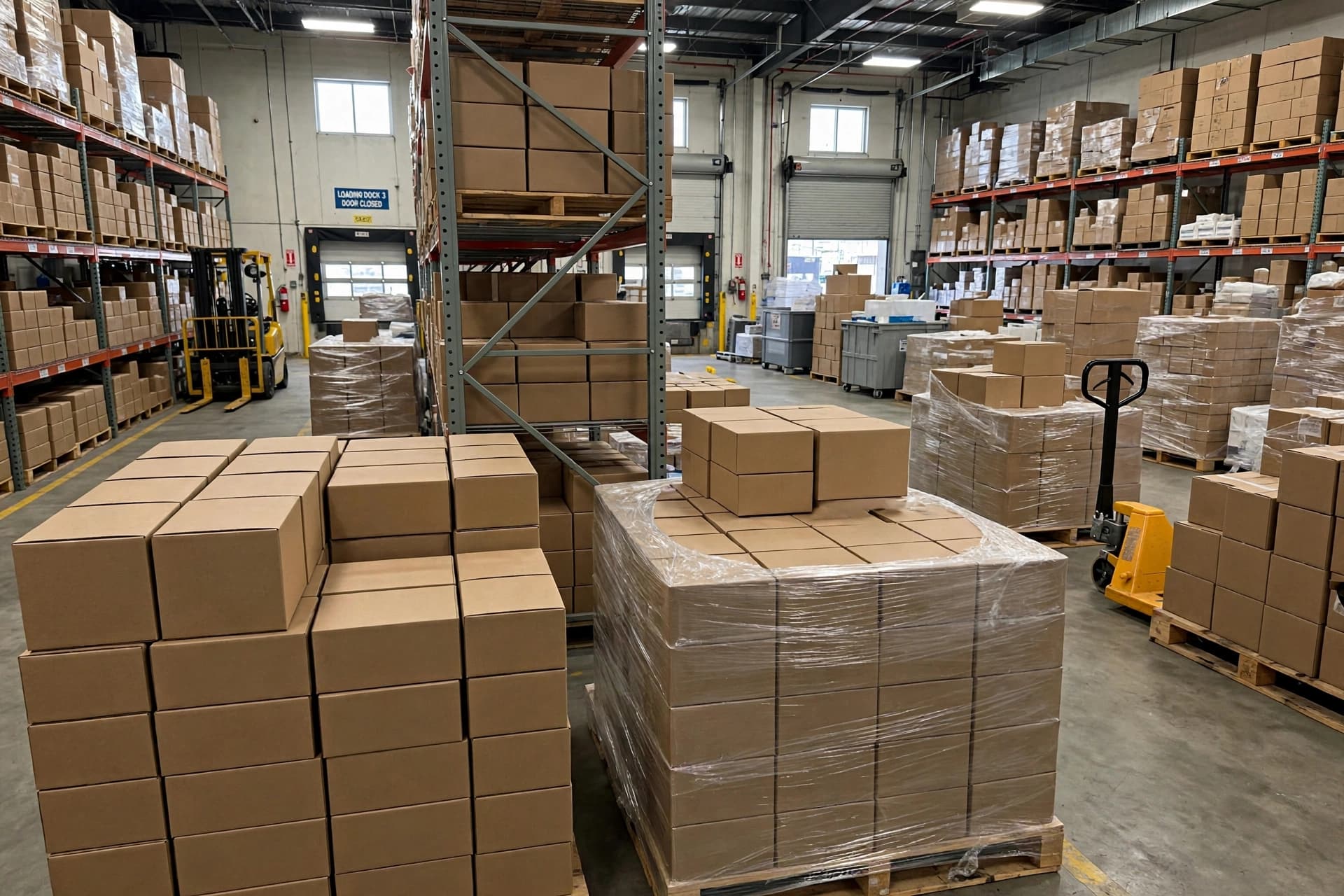
AI Image Disclaimer Visuals are AI-generated and serve as conceptual representations.
Sources (Media Names Only) USDA Food Safety and Inspection Service CNN Reuters The Washington Post NBC News
Published by Banx Network. This article is part of the Banx decentralized media programme, powered by the BXE token on the XRP Ledger.