Under a sky of shifting markets and rising borrowing costs, many American homeowners are feeling the ground beneath their feet tug in a new direction — one marked not by rapid, seemingly endless gains in home values, but by slowing prices and softening equity cushions that are beginning to erode household wealth built over recent years. For families and individuals who once watched their property values climb year after year, the current environment brings a stark reality: home equity isn’t growing as quickly — and for many, it has actually shrunk.
In the third quarter of 2025, data released by property analytics firm Cotality shows that U.S. homeowners with mortgages lost an average of about $13,400 in equity compared with a year earlier, even though many still hold substantial overall housing wealth. This decline reflects a broader cooling in home prices after years of explosive growth, a shift driven in part by higher mortgage rates, changing demand, and regional market corrections.
Slowing price appreciation — and outright price declines in some markets — means that the cushion homeowners once enjoyed is shrinking, especially for those who purchased near recent peaks. Across the country, more homes are now losing value compared with a year ago: one Zillow analysis found that about 53% of U.S. homes saw a year-over-year value decline, the largest share since 2012. As this trend unfolds, nearly 1.2 million homes were in negative equity in late 2025, where the mortgage balance exceeds the current home value — a situation that can make refinancing or selling difficult without incurring losses.
The impact of weakening prices isn’t uniform. Some regions, particularly in the Northeast and core coastal markets such as New York and Boston, continue to post equity gains, while softer or declining markets in parts of the South and West have pulled down values more significantly. For example, homeowners in places like Florida and Montana saw average equity declines of more than $30,000, underscoring how local conditions — including affordability pressures and climate-related risks — can magnify downturns.
For many families, this shift feels like a reversal of fortune. Equity — the difference between what a home is worth and what is owed — is a key component of household wealth and financial security. It can be tapped for home improvements, education, or retirement planning. When prices cool and equity ebbs, that financial safety net thins, affecting not just individual owners but broader consumer confidence.
Economists and housing experts describe the trend not as a crash but as a market normalization after an extraordinary era of price growth following the pandemic. Still, homeowners who bought at market peaks or with smaller down payments are particularly sensitive to price softness and may face tougher decisions when it comes to selling or refinancing.
As the market continues to recalibrate, many property owners find themselves reevaluating long-term plans and weighing whether to hold, sell, or adapt financial strategies in light of slower appreciation and shifting equity positions. In this transitional phase, the story of housing wealth is neither runaway growth nor dramatic collapse, but rather a complex balancing act that reflects both past gains and future uncertainties.
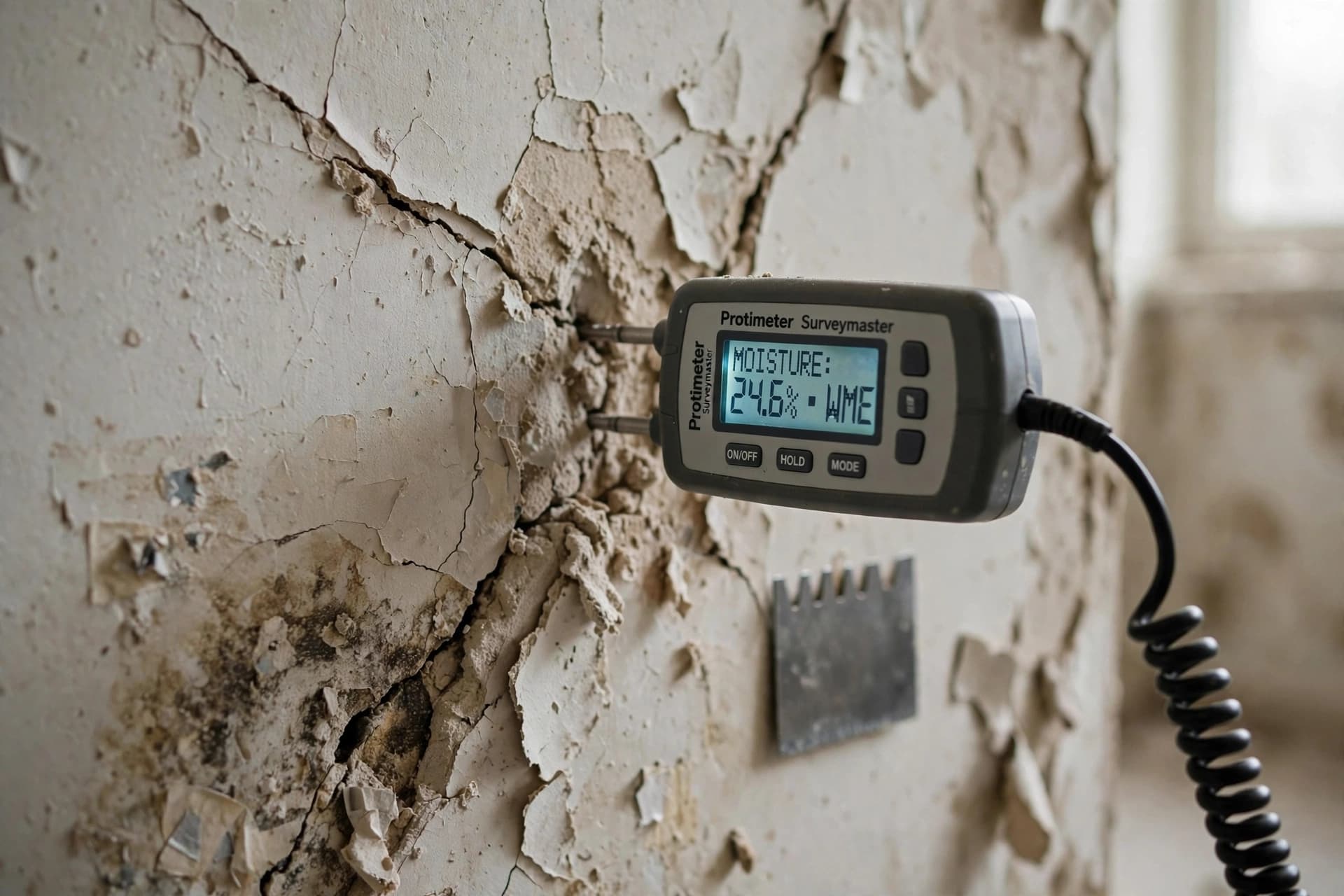
AI Image Disclaimer “Illustrations were produced with AI and serve as conceptual depictions.”
Sources
• Cotality Homeowner Equity Report (Third Quarter 2025)
• Cotality Annual Home Equity Declines ($4.2K average)
• Zillow analysis of U.S. Home Value Changes
• Zillow home value trends interpretation
Published by Banx Network. This article is part of the Banx decentralized media programme, powered by the BXE token on the XRP Ledger.