
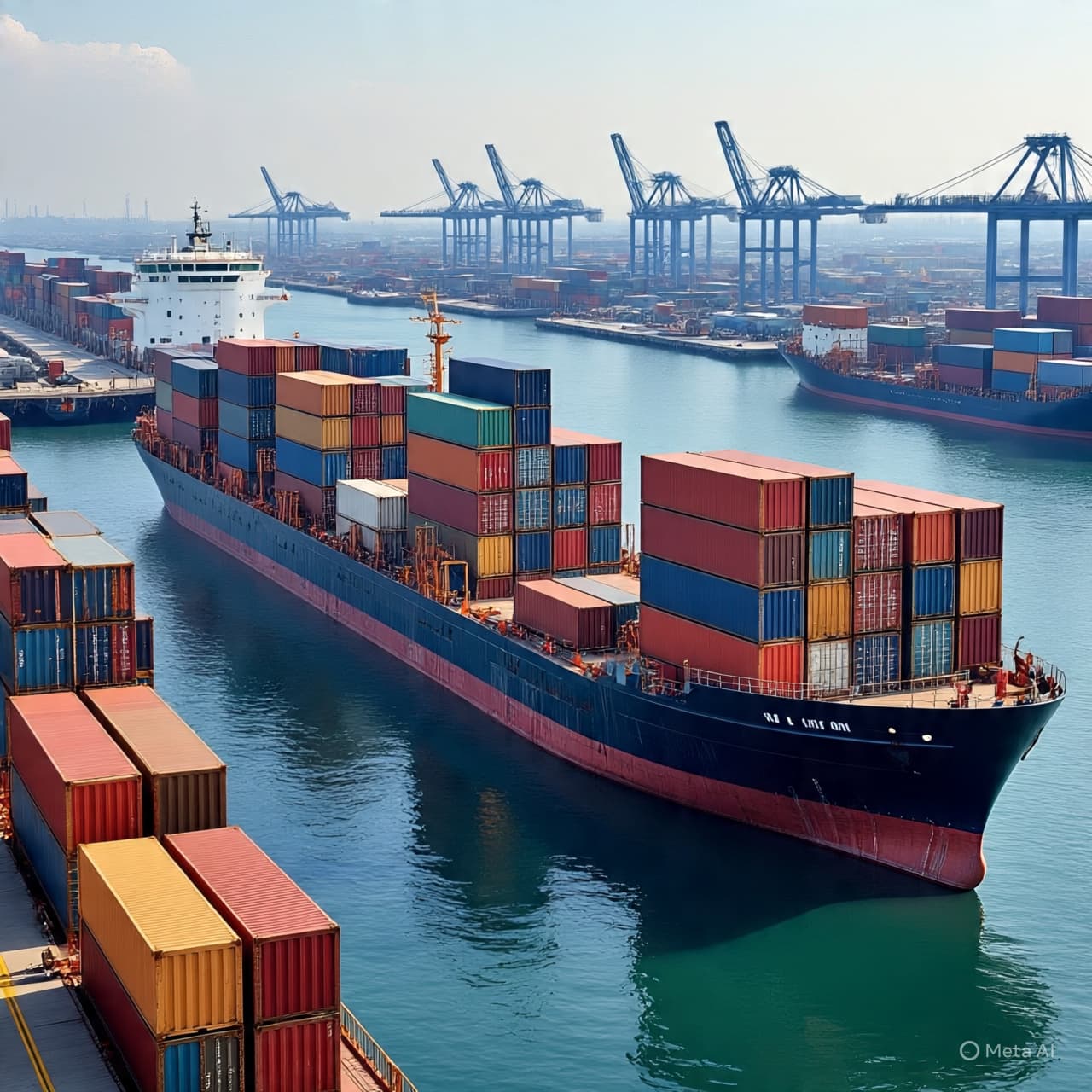
Key Highlights
- Historic Agreement:The EU and Mercosur signed a landmark trade deal after 25 years of negotiations.
- Tariff Elimination:The agreement aims to eliminate tariffs on most goods traded between the regions.
- Economic Impact:The deal could create one of the world's largest free trade zones, connecting over 700 million consumers.
The sun rose over Asunción, Paraguay, as representatives from the European Union and the Mercosur bloc gathered to finalize a trade agreement that has been in the making for over 25 years. This historic moment marks a significant step towards economic integration, as the two regions aim to eliminate tariffs on a wide range of goods, fostering a new era of trade between Europe and South America.
The free trade agreement, which includes Argentina, Brazil, Paraguay, and Uruguay, is designed to eliminate tariffs on the majority of goods exchanged between the EU and Mercosur. This ambitious accord is expected to facilitate the flow of industrial machinery, automobiles, agricultural products, and raw materials, potentially creating one of the largest free trade zones in the world. With over 700 million consumers involved, the agreement promises to reshape the economic landscape of both regions.
European officials have emphasized that this agreement is not just about trade; it symbolizes a commitment to multilateral cooperation amid rising global tensions. For Mercosur, the deal represents an opportunity to diversify export markets and enhance its global standing, particularly for agricultural producers and manufacturers seeking stable demand.
However, the path to full implementation is not without challenges. The agreement must undergo ratification by the European Parliament and the national legislatures of the Mercosur countries. Within Europe, there are concerns from some agricultural groups regarding increased competition from South American imports. Additionally, environmental safeguards and sustainability commitments are under scrutiny, indicating that domestic politics will play a crucial role in the agreement's future.
As the delegations departed from the signing ceremony, the agreement stood as both a document and a symbol of the complexities of international trade. The effects of this deal will unfold gradually, influenced by how nations navigate the balance between openness and protectionism. From bustling ports along the Atlantic to the fertile fields of South America, the implications of this trade agreement will resonate across continents.
In summary, the EU and Mercosur have taken a significant step towards economic integration by signing a landmark free trade agreement. This deal, pending legislative approval, aims to eliminate tariffs and create a vast integrated market, highlighting the importance of international cooperation in today's interconnected world.
Published by Banx Network. This article is part of the Banx decentralized media programme, powered by the BXE token on the XRP Ledger.



