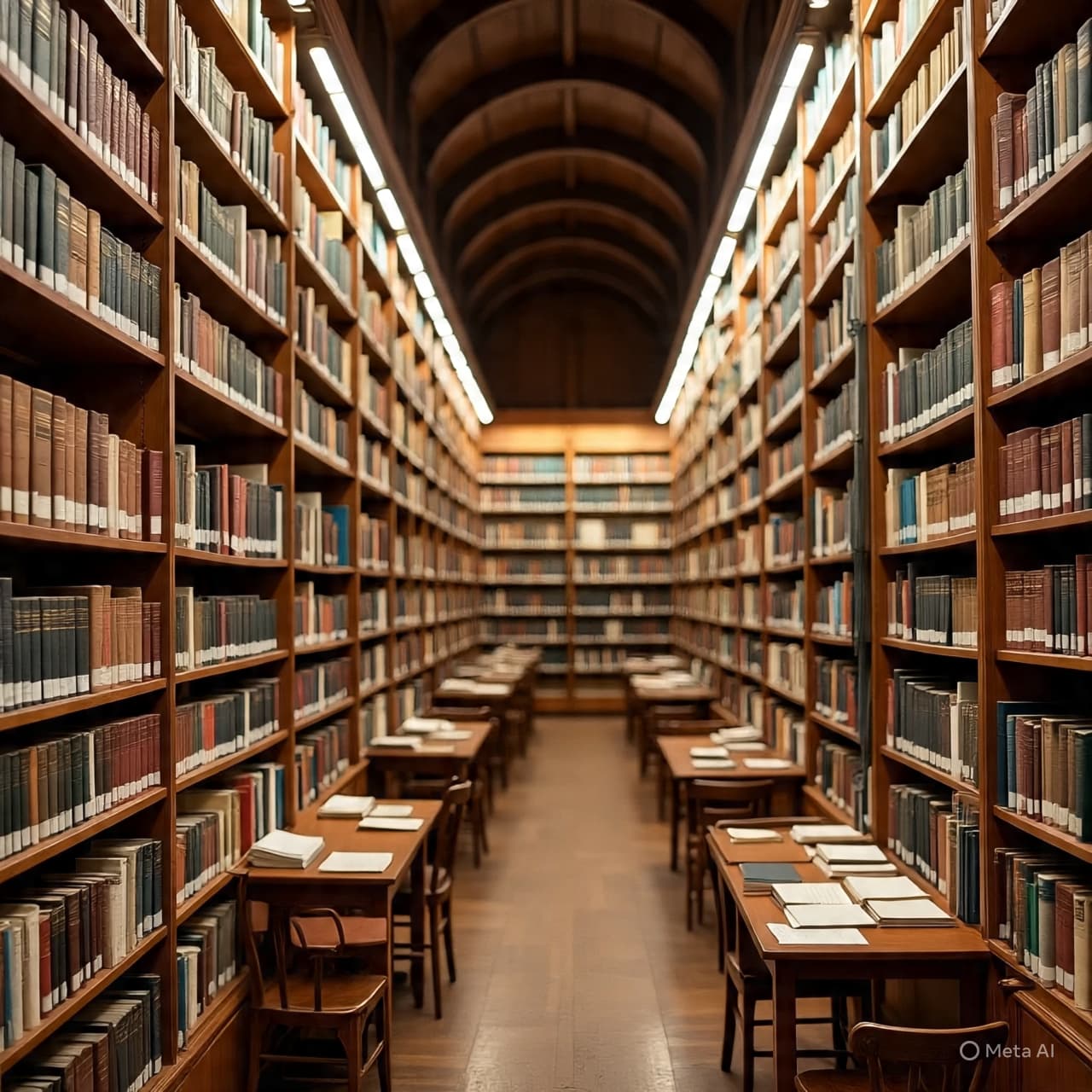
In quiet corners of great institutions, there are places where time seems to rest rooms filled with the accumulated wisdom of decades, where pages and journals bear witness to the unfolding story of exploration and discovery. At NASA’s Goddard Space Flight Center in Maryland, the research library was once such place: a repository of scientific history and a gathering spot for engineers, scientists, and technologists seeking context, continuity, and connection. This winter, however, that quiet chapter has come to a close, prompting reflection on how institutions evolve and what is lost or preserved in the process.
The closure of the Goddard library comes amid a larger reorganization of the center’s facilities. For decades, Goddard has played an indispensable role in designing, building, and supporting NASA’s space missions, from the Hubble Space Telescope to the James Webb Space Telescope. Within its vaults were tens of thousands of volumes scientific journals, technical reports, and historical documents many of which had not yet been digitized and were unique records of the agency’s long heritage. Staff past and present speak of the library as more than shelves of books: it was a collaborative space where spontaneous conversations, serendipitous discoveries, and quiet research took place.
As part of an organizational transformation that includes plans to close 13 buildings and over 100 laboratories by March 2026, the library in Building 21 was shuttered in early January. NASA officials describe the action as part of a long-planned facilities consolidation effort designed to modernize the campus and reduce maintenance costs. Agency leadership has said that materials from the library will be reviewed, with some moved to government storage, others transferred to digital or interlibrary services, and efforts made to preserve historically significant items. This, they say, is intended to ensure continued access to key information even as the physical space closes.
For many employees, however, the transition has been emotionally and professionally challenging. Researchers who spent years consulting rare mission documents express concern that important resources could be lost or rendered inaccessible. Some describe the closures as rushed and chaotic, citing hurried dismantling of laboratories and hasty equipment moves that have, in their view, disrupted ongoing work and damaged morale. Democratic lawmakers from Maryland have also voiced concern, emphasizing the center’s role as a national hub for space science and urging attention to preserving its capabilities as budget and policy decisions unfold.
The story of Goddard’s library its role, its closure, and what comes next sits at the intersection of history and progress. In every institution’s evolution, there are moments of letting go: decisions about which traditions to carry forward and which to recast in new form. In the case of NASA’s Goddard campus, this moment invites thoughtful consideration about how best to steward scientific heritage while also shaping the future of space exploration.
In factual terms, NASA has permanently closed its research library at the Goddard Space Flight Center in Greenbelt, Maryland, as part of a broader reorganization that includes closing multiple buildings and laboratories. Agency officials say materials will be reviewed for storage, digitization, or preservation, and researchers will retain access through digital and interlibrary services. Staff and some lawmakers have raised concerns about the closures’ pace and potential impacts on scientific work.
AI Image Disclaimer “Visuals are created with AI tools and are not real photographs.”
Sources KSUT Public Radio, NDTV, Slashdot archive of news reports, NPR coverage of Goddard library experiences, Greenbelt News Review on lab closures and equipment moves.
Published by Banx Network. This article is part of the Banx decentralized media programme, powered by the BXE token on the XRP Ledger.