

Key Highlights
- The Strait of Hormuz is a critical passage for global oil supply.
- Nearly 20% of the world's oil flows through this narrow waterway.
- Rising tensions could lead to increased shipping costs and economic repercussions.
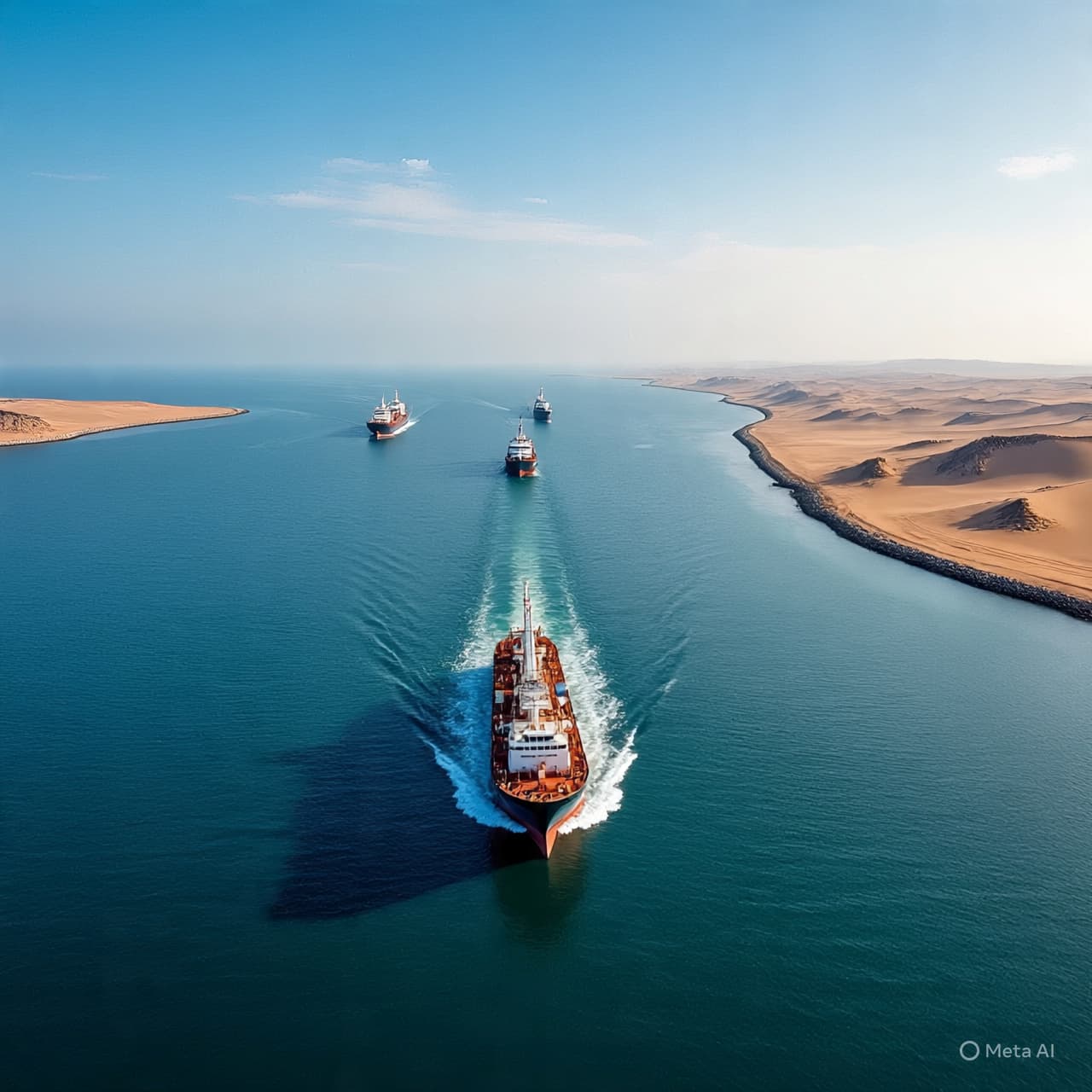
The Strait of Hormuz, a vital maritime corridor, plays a crucial role in global energy stability. Approximately 20% of the world's oil supply traverses this narrow passage, making it indispensable for international trade. Recent discussions around the potential imposition of a toll in this region have raised alarms among experts and policymakers alike, as such a move could significantly disrupt the delicate balance of global oil markets.
As geopolitical tensions escalate, the idea of a toll has resurfaced, prompting concerns about its broader implications. Experts warn that even a nominal fee could lead to substantial increases in shipping costs, particularly for oil and gas. This could create a ripple effect throughout the global economy, impacting everything from fuel prices to consumer goods. The anticipation of risk often drives traders to adjust prices even before any physical disruptions occur, highlighting the sensitivity of energy markets to perceived threats.
The geopolitical landscape surrounding the Strait of Hormuz is fraught with complexity. The region has long been a flashpoint for conflict, and any unilateral economic measures could be interpreted as strategic maneuvers rather than mere financial decisions. This perception risks escalating tensions, potentially drawing in global powers that depend on stable energy flows. The stakes are particularly high for nations heavily reliant on Middle Eastern oil, as increased transport costs could exacerbate inflationary pressures and complicate domestic economic management.
Shipping companies are also faced with challenging decisions in the wake of rising costs. Increased fees could lead to rerouting, higher insurance premiums, or reduced traffic through the strait. However, alternatives are limited, as few routes offer the same efficiency. Longer shipping paths would introduce delays that could disrupt supply chains, further complicating the economic landscape.
For energy exporters, the situation presents a paradox. While higher oil prices may boost short-term revenues, the instability associated with increased costs could undermine long-term demand and investment. Markets generally favor reliability, and any perception of unpredictability can prompt countries to diversify their energy sources away from vulnerable routes.
International law also plays a significant role in this discussion. The Strait of Hormuz is widely recognized as an international waterway, and any attempt to impose unilateral tolls could face legal challenges. Such disputes would likely unfold alongside diplomatic negotiations, adding another layer of uncertainty to an already volatile situation.
Ultimately, the broader concern is not merely the potential toll itself but what it signifies—a shift in how strategic chokepoints are leveraged in geopolitical competition. In a world grappling with economic fragility, even minor disruptions can have outsized consequences. As discussions continue, the global community remains vigilant, aware that the waters of the Strait of Hormuz, while calm for now, hold significant implications for the future of global energy security.
Published by Banx Network. This article is part of the Banx decentralized media programme, powered by the BXE token on the XRP Ledger.




