

Key Highlights
- UK convenes talks with 35 nations to address Strait of Hormuz tensions.
- Nearly 20% of global oil supply passes through this critical maritime route.
- Rising military activity raises concerns among shipping firms and insurers.
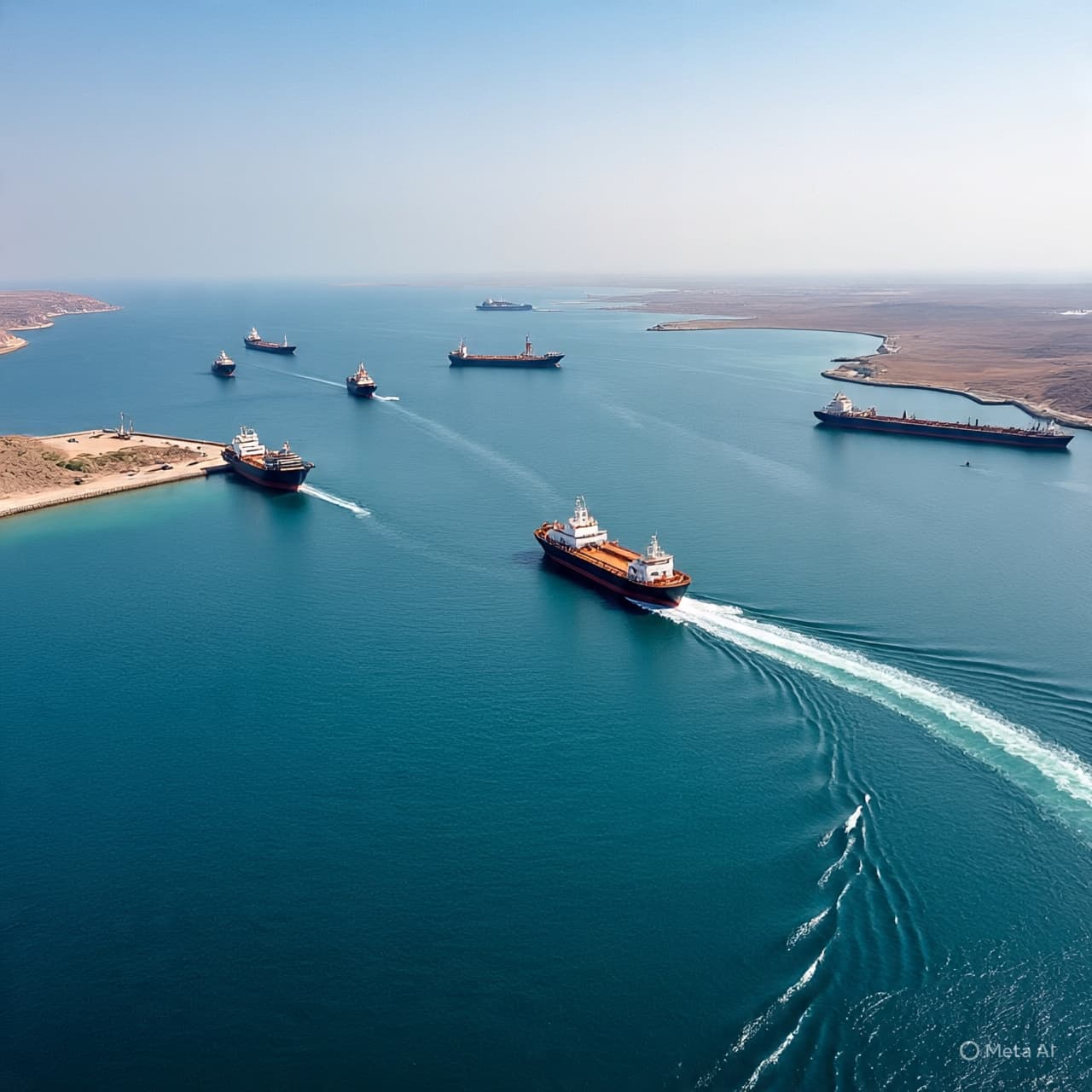
The Strait of Hormuz, a narrow yet vital maritime passage, has become a focal point of international concern as geopolitical tensions escalate. This strategic waterway is crucial for global oil supply, with nearly a fifth of the world's oil traversing its waters daily. In response to the growing unease, the United Kingdom has taken the initiative to convene discussions involving 35 countries, aiming to foster cooperation and ensure the security of this essential route.
The UK’s diplomatic efforts come at a time when military activities in the Persian Gulf have intensified, casting a shadow over shipping routes and raising alarms among insurers and shipping companies. The Strait, once a reliable artery for commerce, now faces uncertainties that could have far-reaching implications for global markets. The UK government frames these talks as a collective responsibility, emphasizing the need for a coordinated response to shared risks.
As nations gather to discuss the future of the Strait of Hormuz, the stakes are high for energy-dependent economies. Disruptions in this critical passage can lead to immediate consequences, including spikes in fuel prices and disruptions to supply chains, affecting households worldwide. The interconnectedness of global economies means that any instability in the Strait will resonate far beyond its geographical confines.
However, the path to successful diplomacy is fraught with challenges. Each participating nation arrives with its own interests, historical grievances, and strategic calculations. The UK’s role as host is both symbolic and strategic, positioning it as a mediator in a time of fragmented global leadership. The outcome of these discussions remains uncertain, but the urgency of the situation underscores the need for effective cooperation.
Shipping companies are closely monitoring the developments, adjusting their routes and risk assessments in real time. The commercial sector, focused on reliability and stability, awaits clarity from diplomatic efforts. As the talks progress, the Strait of Hormuz transforms from a mere passage into a litmus test for international resolve and cooperation.
The question remains: can nations overcome their hesitations and act collectively in the face of shared challenges? The answer, much like the currents of the Strait itself, is still unfolding.
Published by Banx Network. This article is part of the Banx decentralized media programme, powered by the BXE token on the XRP Ledger.




