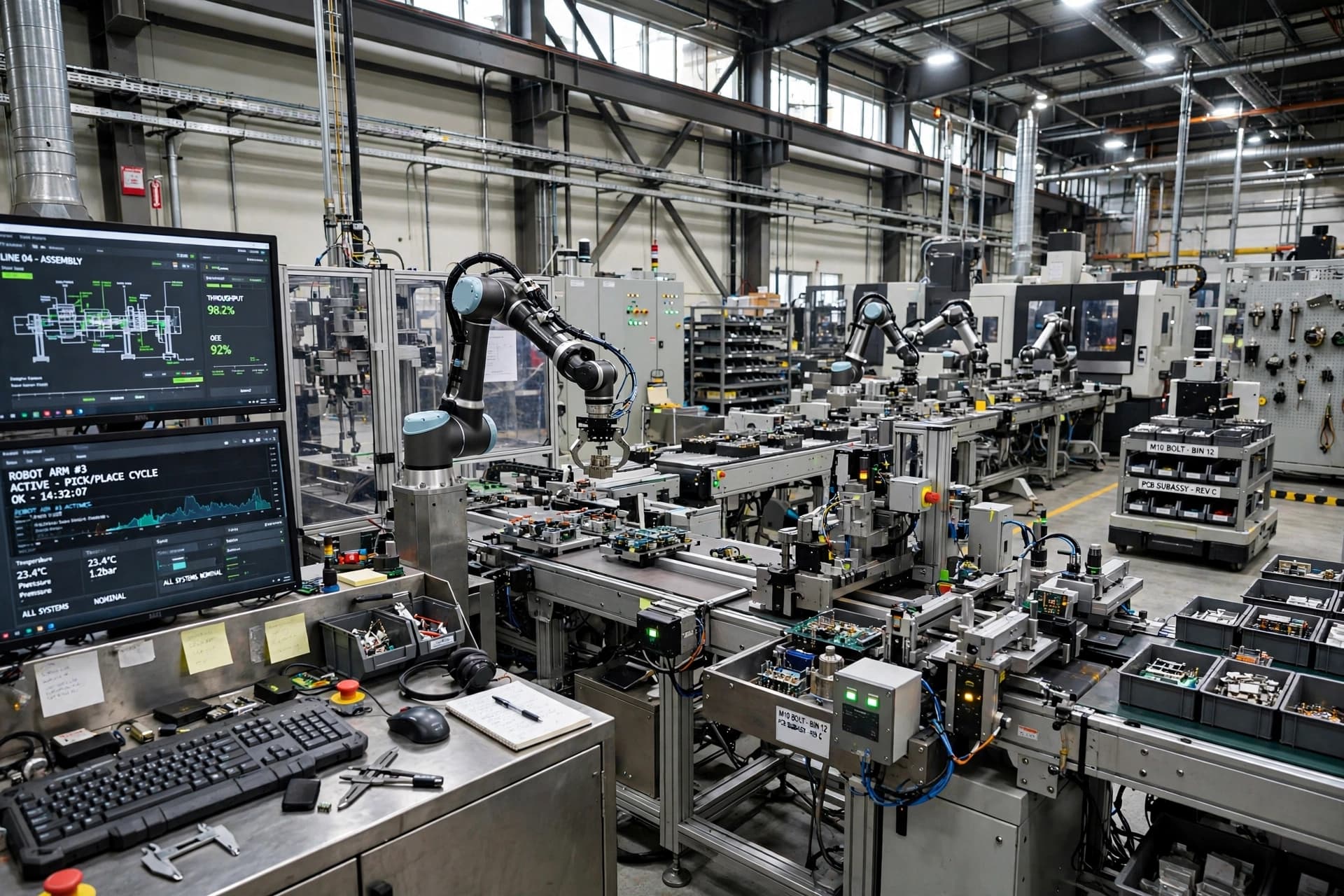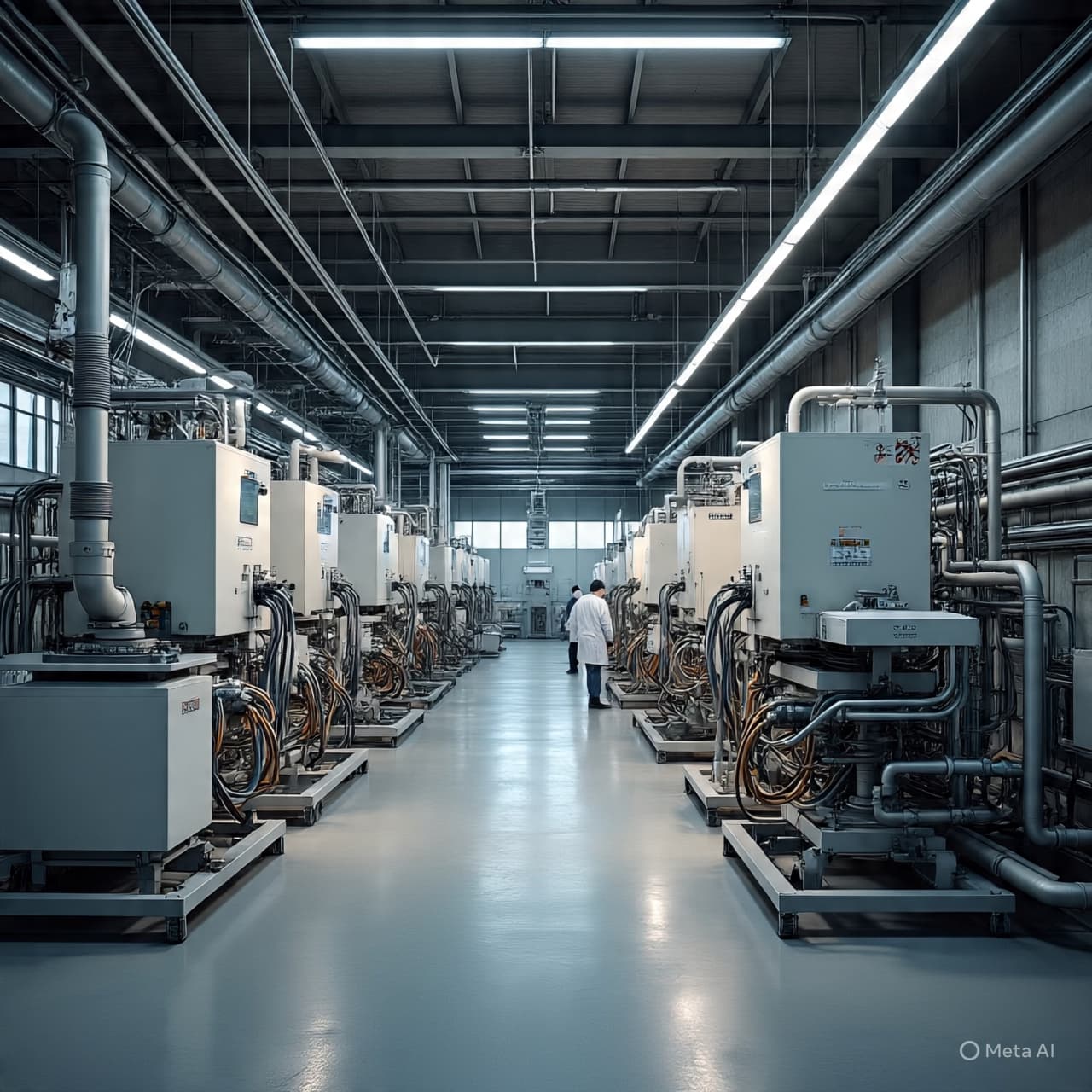
There is a certain steadiness to factory floors in Japan—a rhythm shaped not only by machinery, but by habit, discipline, and an enduring sense of continuity. Even as the world beyond shifts—oil prices rising and falling like tides—these spaces often move to a quieter, more consistent tempo.
Recent data suggests that this rhythm has not been easily disturbed. Japanese manufacturers, navigating a global environment marked by volatile energy markets, have maintained a relatively solid business sentiment. The fluctuations in oil prices, while significant in scale, have not fully translated into a collapse of confidence within the country’s industrial sector.
This resilience reflects something deeper than short-term optimism. Japan’s manufacturing base, long accustomed to external pressures—from currency swings to supply chain disruptions—has developed a capacity for adjustment. Energy costs, though critical, are only one element within a broader system that includes efficiency measures, diversified sourcing, and careful long-term planning.
Oil, in many ways, sets the tone for global industry. Its price movements ripple outward, influencing transportation, production costs, and ultimately consumer demand. In recent months, that tone has been uncertain—shaped by geopolitical tensions, shifting supply expectations, and the uneven pace of global economic recovery. Yet within Japan, the response has been measured rather than reactive.
Large manufacturers, particularly in sectors such as automotive and machinery, have signaled cautious stability. Surveys indicate that while concerns persist—especially around input costs and overseas demand—the overall outlook remains anchored. Companies appear to be absorbing volatility rather than amplifying it, adjusting forecasts without abandoning longer-term strategies.
Part of this steadiness lies in structural adaptation. Over the years, many Japanese firms have invested in energy efficiency and technological innovation, reducing their direct exposure to fuel price swings. Others have expanded production networks across regions, allowing for flexibility when conditions in one market become less predictable.
There is also a broader economic context to consider. Domestic demand, though not without its challenges, provides a layer of support. Meanwhile, the gradual reopening of global markets continues to offer opportunities, even as uncertainties linger. The result is not a surge of confidence, but a sustained equilibrium—a willingness to proceed, even when visibility is limited.
Still, the landscape is not without tension. Smaller manufacturers, often more sensitive to cost increases, face a narrower margin for adjustment. For them, prolonged volatility in energy prices can carry more immediate consequences. The contrast between large and small enterprises adds nuance to the overall picture, suggesting that resilience is not evenly distributed.
Yet taken together, the prevailing sentiment remains one of cautious endurance. The fluctuations of oil markets, while impactful, have not fundamentally altered the trajectory of Japan’s industrial sector. Instead, they have been absorbed into a broader pattern of adaptation—another variable in a system long accustomed to change.
Japan’s latest business surveys confirm that major manufacturers continue to report stable sentiment despite ongoing volatility in global oil prices. While risks remain tied to energy costs and external demand, the sector’s outlook has not significantly deteriorated, reflecting a measured resilience within the country’s industrial economy.
Published by Banx Network. This article is part of the Banx decentralized media programme, powered by the BXE token on the XRP Ledger.


.jpg&w=3840&q=75 "India Says First Phase of U.S. Trade Deal Is Nearly Done, Seeks Edge Over Rivals")