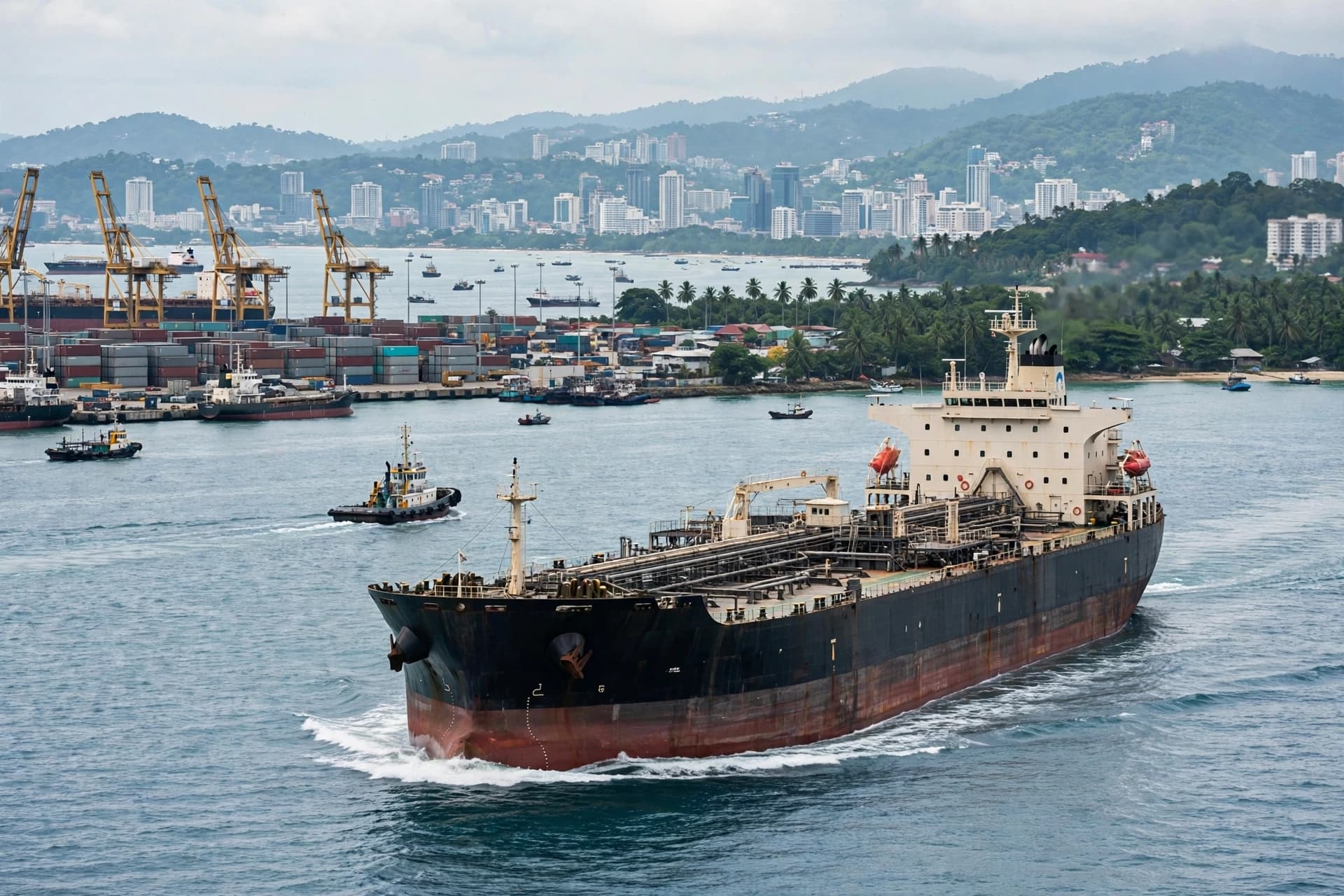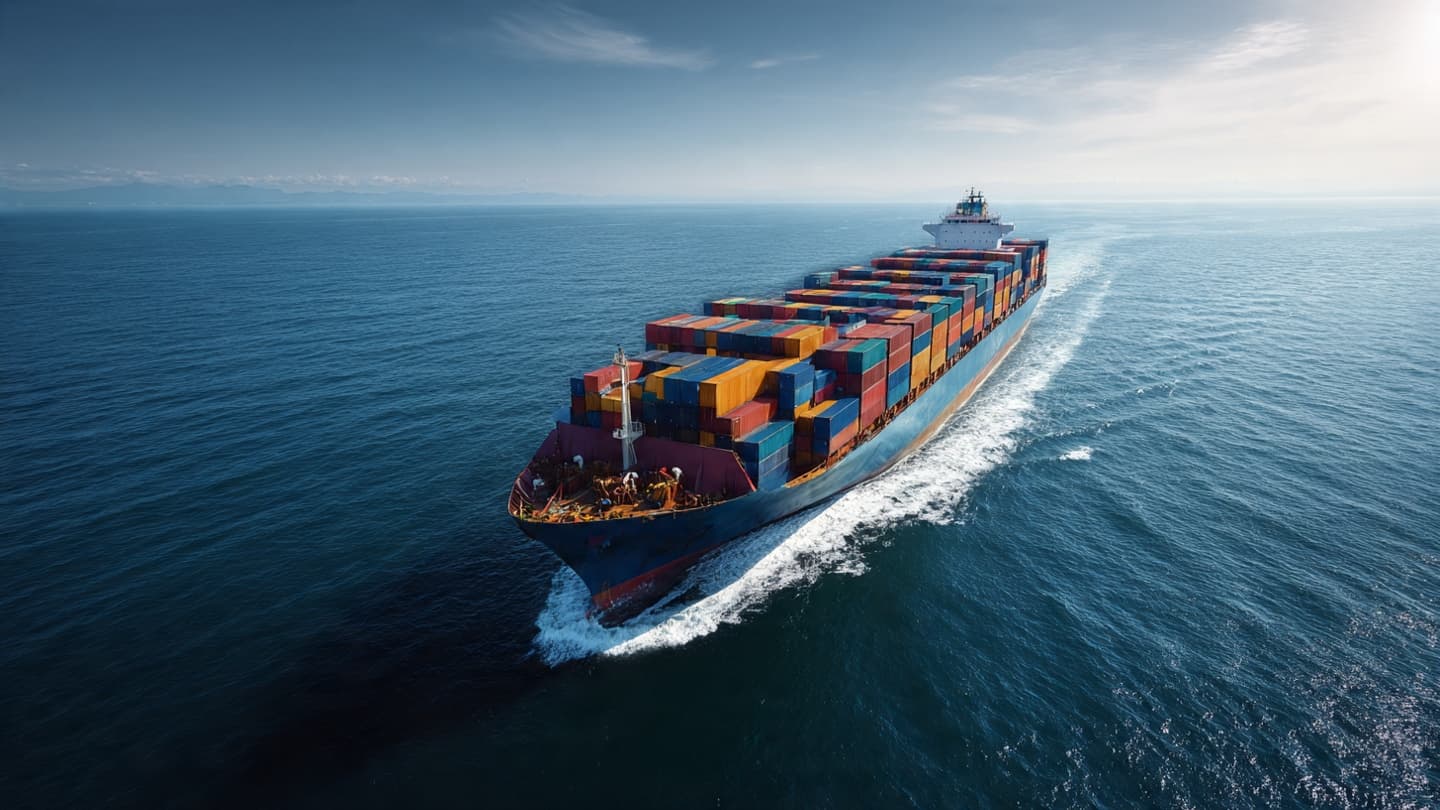
The movement of goods across oceans has always been one of humanity’s greatest connections. Every container ship crossing international waters carries more than products; it carries the rhythm of global commerce that links producers, businesses, and consumers across continents.
Modern supply chains depend heavily on maritime transportation. From raw materials to finished products, shipping routes form the foundation of international trade and allow economies to remain connected despite the vast distances between markets.
Strategic waterways such as the Red Sea and nearby maritime corridors hold particular importance because they connect major trading regions. The efficiency of these routes influences delivery times, transportation costs, and the overall reliability of global distribution systems.
When uncertainty affects important shipping areas, companies often begin evaluating their logistics strategies. Businesses may consider alternative routes, adjust inventory levels, or strengthen relationships with multiple suppliers to reduce potential disruptions.
For shipping companies, flexibility has become increasingly valuable. Operators must balance efficiency with safety, making decisions that consider fuel costs, travel distances, insurance requirements, and customer expectations.
The changing environment has encouraged many businesses to rethink the idea of supply chains. Instead of focusing only on speed and cost reduction, companies are placing greater attention on resilience and the ability to adapt when conditions change.
Technology has also become an important part of maritime planning. Digital tracking systems, predictive analysis, and improved communication tools help companies monitor shipments and respond more quickly to unexpected challenges.
The shipping industry’s experience reflects a broader transformation in global business. Companies are learning that economic strength depends not only on production capacity but also on the ability to move resources efficiently across complex international networks.
As global trade continues evolving, maritime routes will remain central to economic activity. The future of shipping will likely depend on innovation, cooperation, and strategies designed to maintain stability in an interconnected world.
The international shipping community continues adapting to changing circumstances while supporting the flow of goods that connects economies worldwide. Behind every journey across the sea lies a larger story of cooperation, planning, and global dependence.
AI Image Disclaimer Illustrations were created using AI tools and are not real photographs; they represent conceptual visual interpretations.
Sources Reuters International Maritime Organization (IMO) Bloomberg Financial Times CNBC
Published by Banx Network. This article is part of the Banx decentralized media programme, powered by the BXE token on the XRP Ledger.