Along California’s central coast, the land slopes gently toward the Pacific, and the wind carries salt and silence in equal measure. At certain hours, however, that quiet gives way to a different kind of anticipation. Beyond the dunes and guarded fences, steel towers stand ready. Fuel lines hum. Countdown clocks flicker in guarded rooms. The sky, so often a canvas of fog and seabirds, prepares to open.
At Vandenberg Space Force Base, launch activity has once again begun to cluster along the calendar. The base, long associated with polar-orbit missions and westward trajectories over open ocean, is preparing for upcoming liftoffs from both commercial providers and private aerospace firms.
SpaceX is expected to continue its steady cadence of launches from the West Coast using its workhorse Falcon 9 rocket. These missions typically carry batches of Starlink satellites into low Earth orbit, contributing to the company’s expanding global broadband network. The Falcon 9’s first-stage boosters are designed for reuse, often returning to land on drone ships stationed in the Pacific, a choreography now familiar yet no less striking against the coastal horizon.
At a neighboring launch complex, Firefly Aerospace is preparing for activity involving its Alpha rocket. The Alpha vehicle, smaller and built for dedicated satellite missions, represents a different scale of ambition but shares the same narrow corridor of sky. Weather conditions and upper-level winds remain key variables, and recent schedules have reflected the careful recalibration that spaceflight demands.
Launch windows from Vandenberg are often subject to last-minute adjustments. Marine layers can drift unexpectedly across the pad. High-altitude winds may delay ignition by hours or days. Technical checks proceed deliberately, each system verified before propellant begins to flow. For nearby communities along the Central Coast, the signs are familiar: advisories about possible sonic booms, reminders that brief rumbles may follow a successful landing attempt.
The growing tempo of launches reflects a broader transformation in orbital access. Commercial constellations, government payloads, and technology demonstrations now share a calendar once dominated by fewer, more widely spaced missions. California’s coastline, with its clear flight paths over open water, has become an increasingly active threshold between Earth and orbit.
Yet even amid rising frequency, each countdown retains its own gravity. Engineers track telemetry in quiet rooms. Range safety officers watch the sky. Residents glance upward at the sudden bloom of flame. For a moment, the line between land and atmosphere is marked by fire.
According to recent reporting by USA Today and Space.com, both SpaceX and Firefly have upcoming launch opportunities scheduled from Vandenberg, though exact dates and times remain subject to change due to weather and technical readiness. Officials advise the public that launch schedules can shift with little notice.
For now, the pads stand ready. The Pacific waits beyond them. And above, the western sky remains open — a corridor of possibility shaped by wind, timing, and the steady pulse of modern spaceflight.
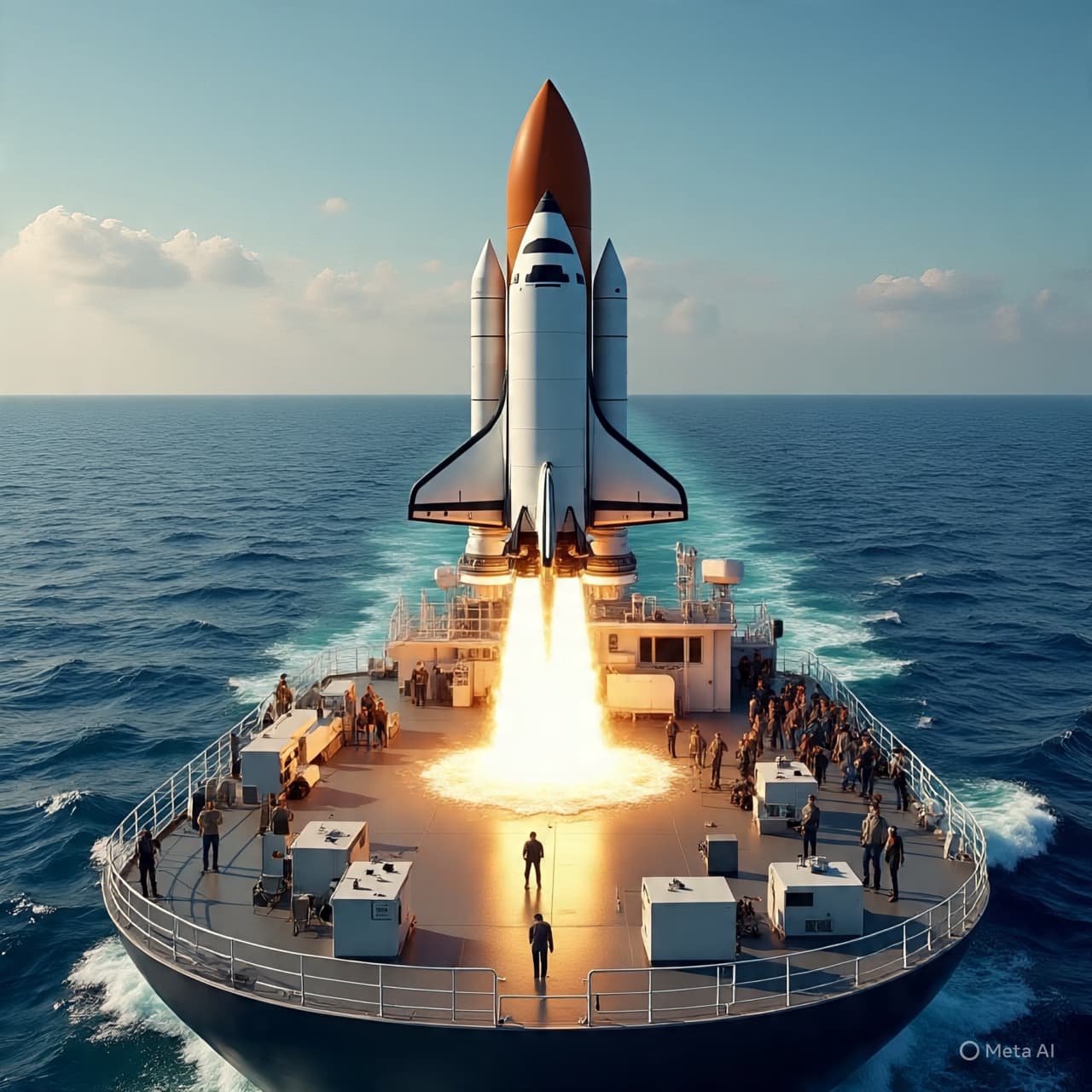
AI Image Disclaimer Illustrations were created using AI tools and are not real photographs.
Sources (Media Names Only) USA Today Space.com Edhat
Published by Banx Network. This article is part of the Banx decentralized media programme, powered by the BXE token on the XRP Ledger.