In Jakarta, the language of economic cooperation often begins with resources beneath the ground and gradually rises toward the technologies of tomorrow. This week, Indonesia and China placed minerals, energy, artificial intelligence and green technology alongside railways, satellites and fisheries as areas for closer cooperation.
The discussions took place during high-level meetings on August 20 involving Chinese Foreign Minister Wang Yi and Defence Minister Dong Jun with Indonesian officials. Beyond immediate agreements, the meetings reflected the breadth of economic connections developing between the two countries, particularly around Indonesia's resource-rich economy.
Minerals remain central to that relationship. Indonesia possesses large deposits of nickel, tin, copper, gold and bauxite, while China has become an important investor and buyer in several resource-related industries. Chinese investment in Indonesia reached $3.9 billion in foreign direct investment during the first half of 2026, according to Indonesian figures cited by Reuters.
Nickel has been one of the clearest examples of this connection. Chinese companies have established major processing operations in Indonesia, helping the country expand its downstream mineral industry. The relationship has also evolved alongside changes to Indonesian export policies and mining quotas, which have encouraged companies to reconsider parts of their supply chains.
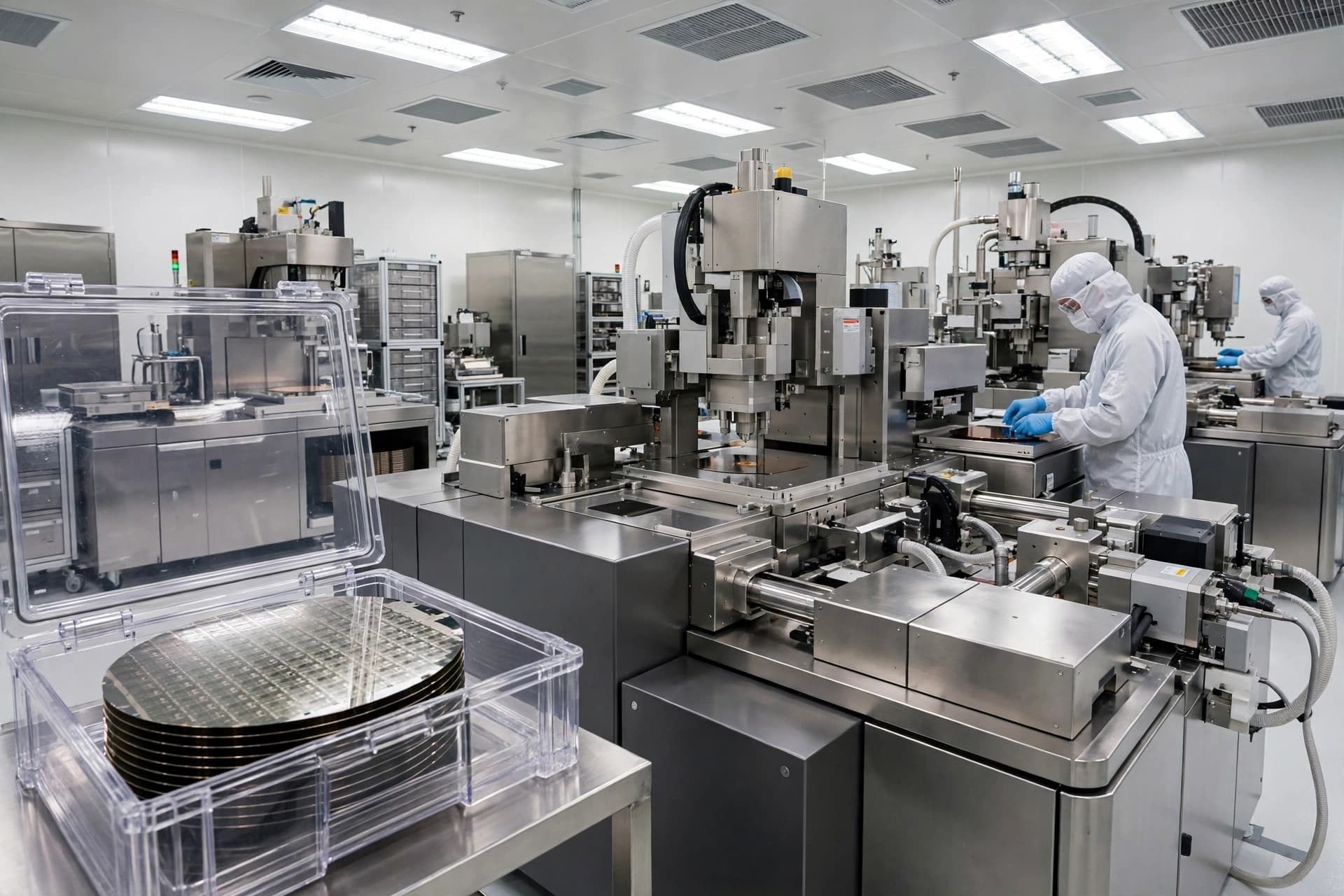
But the conversation is no longer limited to what can be extracted from the earth. Artificial intelligence, green energy and satellite technology are increasingly part of the economic vocabulary shared by Jakarta and Beijing. Such cooperation suggests a wider industrial horizon in which natural resources can be linked with digital systems and advanced infrastructure.
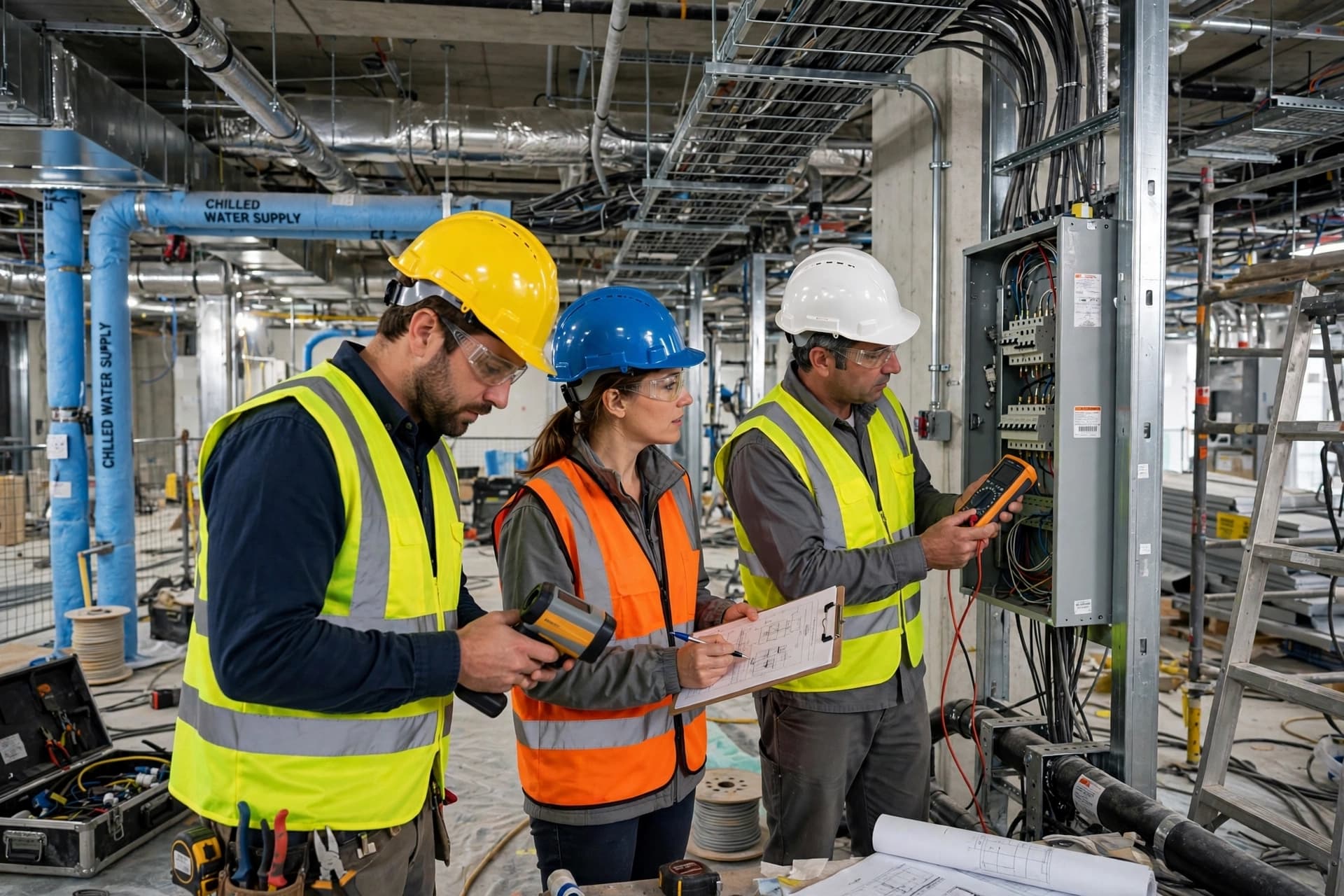
Rail transport is another area identified for cooperation. Indonesia's continuing development of transport infrastructure provides opportunities for technology, engineering and industrial partnerships, while Chinese companies have substantial experience in large-scale railway projects. The intersection of those capabilities could become another part of the two countries' economic relationship.
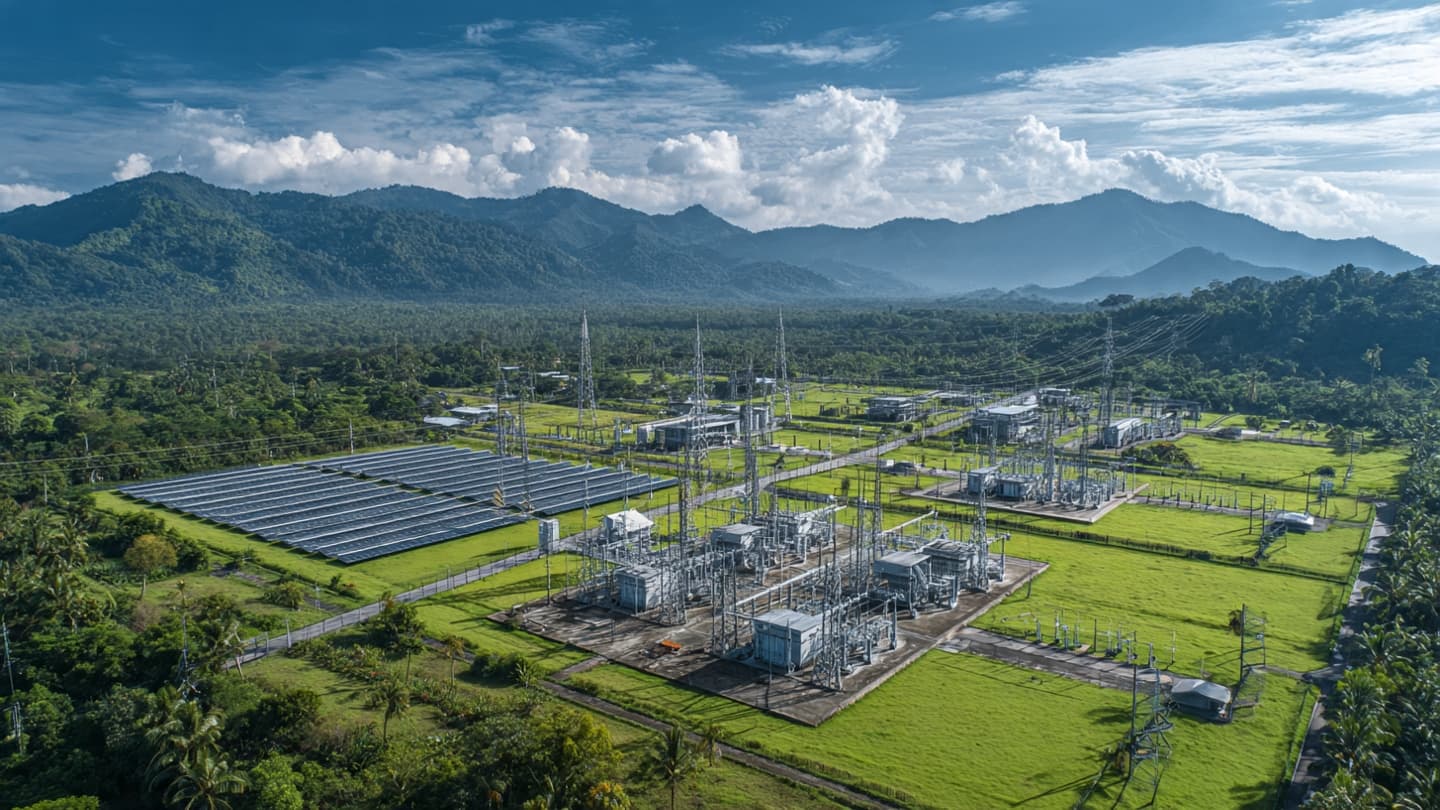
Green energy adds another dimension. As Indonesia seeks to expand its energy capacity while reducing dependence on conventional fuels, technology partnerships could influence how renewable generation, storage and industrial power systems develop. For China, Indonesia represents both a significant market and an important part of regional supply chains.
The relationship is not without practical challenges. Chinese businesses operating in Indonesia have previously raised concerns about regulations, taxes and enforcement, while Indonesia continues to adjust policies governing its strategic resources. Those issues will influence how easily announced cooperation can translate into long-term investment.
Still, the range of sectors under discussion shows how the relationship is evolving. Minerals remain important, but they now sit beside AI, satellites, energy and transport. The economic map between the two countries is becoming more layered, with industrial resources meeting increasingly sophisticated technologies.
The latest meetings therefore point toward broader cooperation rather than a single project. Indonesia and China are seeking closer links across minerals, energy, technology, rail transport, satellites and other sectors, with investment and industrial development likely to remain central to the relationship in the years ahead.
AI Image Disclaimer The images are AI-created illustrations intended to visualize the subject and do not represent authentic photographs.
Sources Reuters
Published by Banx Network. This article is part of the Banx decentralized media programme, powered by the BXE token on the XRP Ledger.