
Key Highlights
- Bogotá faces ongoing challenges with street crime, including theft and pickpocketing.
- Authorities have increased patrols and public awareness campaigns to enhance safety.
- Economic disparity and urban density contribute to the complexity of crime prevention.
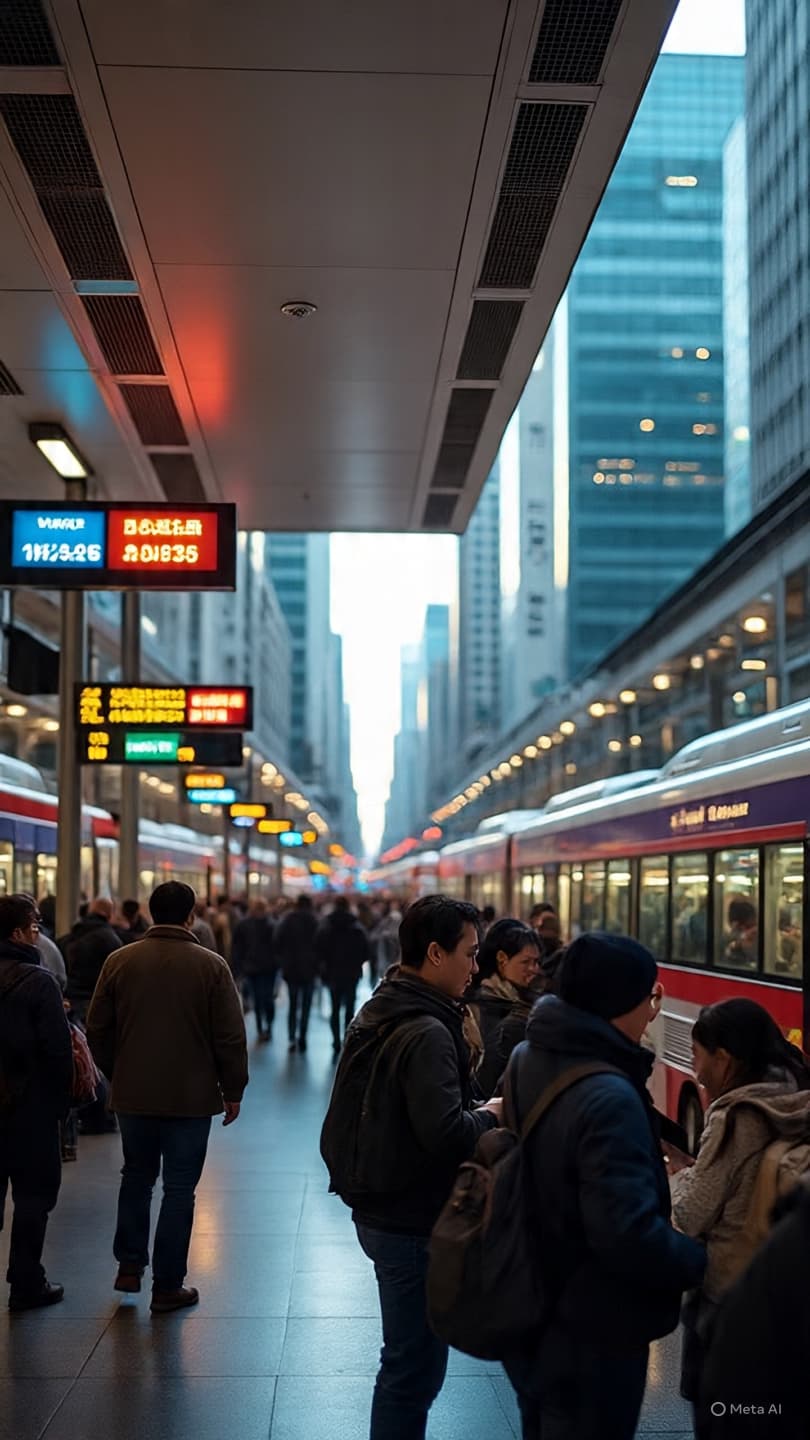
In Colombia’s bustling urban landscape, cities like Bogotá and Medellín are grappling with the persistent issue of street crime, particularly theft and pickpocketing. Recent reports indicate a rise in such incidents, which often occur in crowded public spaces like bus stations and commercial streets. These areas, teeming with daily commuters and tourists, have become hotspots for opportunistic crime, prompting a reevaluation of public safety measures.
The nature of these crimes is often non-violent, yet they significantly influence public behavior. Residents and visitors alike are adjusting their habits—how they carry their belongings, navigate through crowds, and choose their routes during peak hours. This shift in behavior underscores the psychological impact of crime on urban life, where the fear of theft can alter the way people interact with their environment.
In response to the rising crime rates, local authorities have ramped up security measures. Increased police patrols and the installation of surveillance systems in high-traffic areas aim to deter potential criminals and reassure the public. Additionally, public awareness campaigns are being launched to educate citizens on how to stay vigilant and protect themselves from theft. Despite these efforts, the sheer scale of urban density presents ongoing challenges for law enforcement, as crime prevention strategies must continuously evolve to keep pace with changing patterns of movement.
The issue of street crime in Bogotá is not merely a matter of law enforcement; it reflects deeper socio-economic dynamics at play. Economic disparity and informal activities contribute to the complexities of urban life, where many individuals may resort to crime as a means of survival. As Colombia’s urban centers continue to grow, the challenge lies in balancing accessibility and vibrancy with the need for safety in public spaces.
As the city navigates these challenges, it is crucial for stakeholders—including government officials, community leaders, and residents—to collaborate on sustainable solutions that address both crime prevention and the underlying socio-economic factors. Only through a comprehensive approach can Bogotá hope to create a safer environment for all its inhabitants and visitors.
Published by Banx Network. This article is part of the Banx decentralized media programme, powered by the BXE token on the XRP Ledger.



