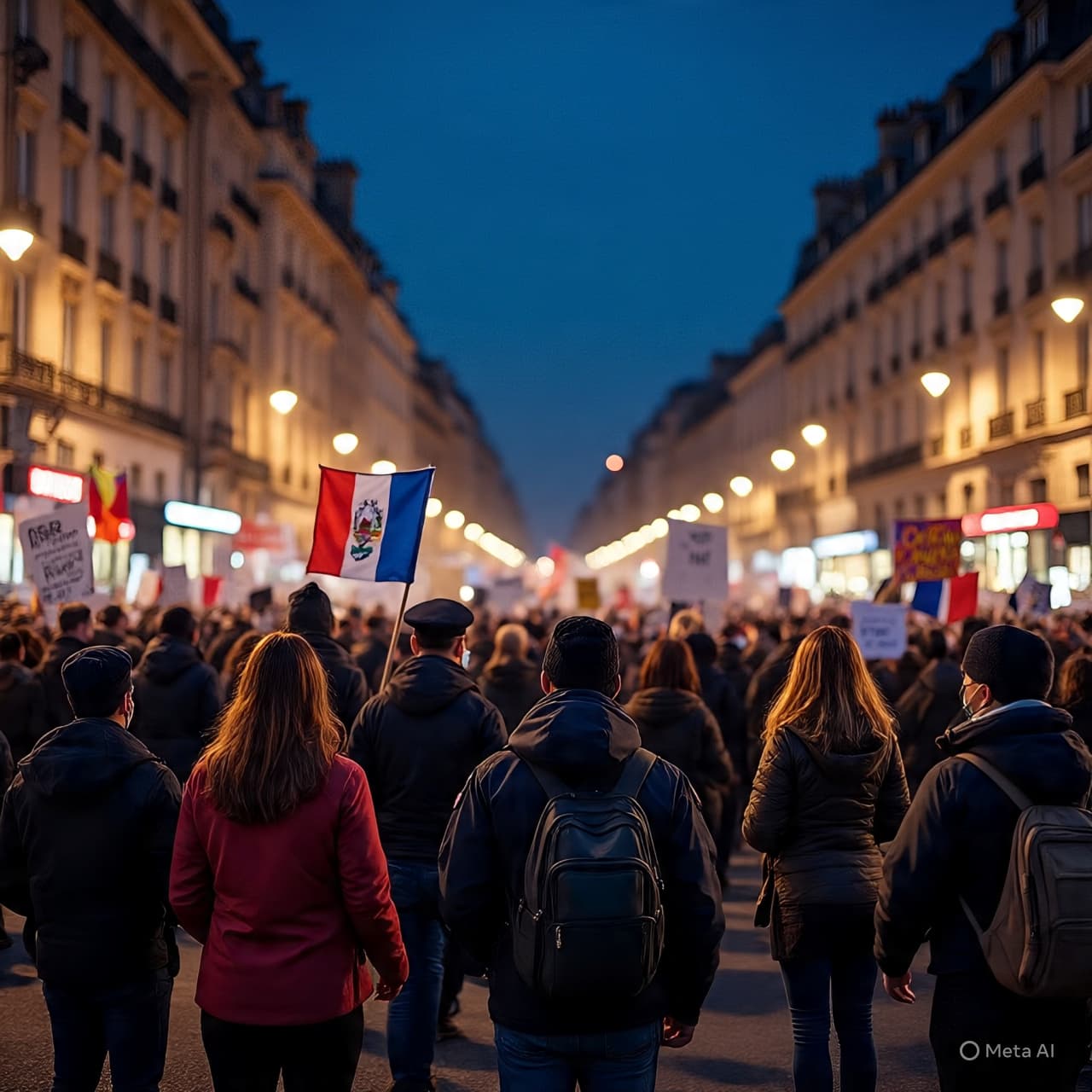
In the soft hush that follows any sudden death, there is often a pause — a collective intake of breath. But in this case, the silence did not linger. Instead, it fractured, giving way to raised voices, candlelit gatherings, and the steady pulse of police sirens across several French cities.
The death of a far-right activist, reported after a violent altercation, has unsettled an already delicate political climate in France. Supporters describe him as a patriot taken too soon; critics frame his legacy in starkly different terms. Between these narratives lies a country grappling not only with the loss of a life, but with the symbolic weight that life carried.
According to reporting from Reuters, Associated Press, BBC, Le Monde, and France 24, the activist’s death has triggered demonstrations in multiple locations. Some rallies began as vigils, quiet and reflective. Others escalated into confrontations, requiring police intervention. Authorities have urged calm, emphasizing that investigations are ongoing and that conclusions should not precede facts.
Political leaders have moved carefully. The government of President Emmanuel Macron called for restraint, underscoring the importance of due process and national cohesion. Officials warned against the exploitation of tragedy for partisan gain — a reminder that in moments like these, emotion can travel faster than evidence.
Yet beyond France’s borders, the reaction has also rippled outward. Figures in the United States voiced concern over rising tensions and the broader climate of political polarization in Europe. Some American commentators criticized what they characterized as a pattern of hostility toward right-leaning activists, while others urged caution against framing the incident before investigations conclude. Diplomatic language, measured but unmistakable, has entered the conversation.
In many ways, the episode reflects a wider unease that extends beyond one ideology or one individual. Across Europe, debates over immigration, national identity, and security have grown sharper in recent years. Political discourse, once contained largely within parliamentary walls, now spills readily into streets and social media feeds. The boundary between protest and provocation can blur in the space of an evening.
For families and local communities, however, the matter is more immediate. A life has ended. Investigators are tasked with determining responsibility. Courts, if necessary, will weigh evidence. Meanwhile, neighborhoods remain tense, and authorities maintain a visible presence in affected areas.
As the days unfold, the focus turns toward whether France can lower the temperature. Leaders have reiterated commitments to lawful inquiry and public safety. Demonstrations continue, though calls for peaceful assembly grow louder from across the political spectrum.
The death of a single activist may not define a nation, but the response to it often reveals the pressures beneath the surface. In this moment, France stands at a crossroads between grief and escalation, between expression and restraint. What follows will depend less on slogans than on steadiness — and on the enduring belief that justice, not fury, must guide the way forward.
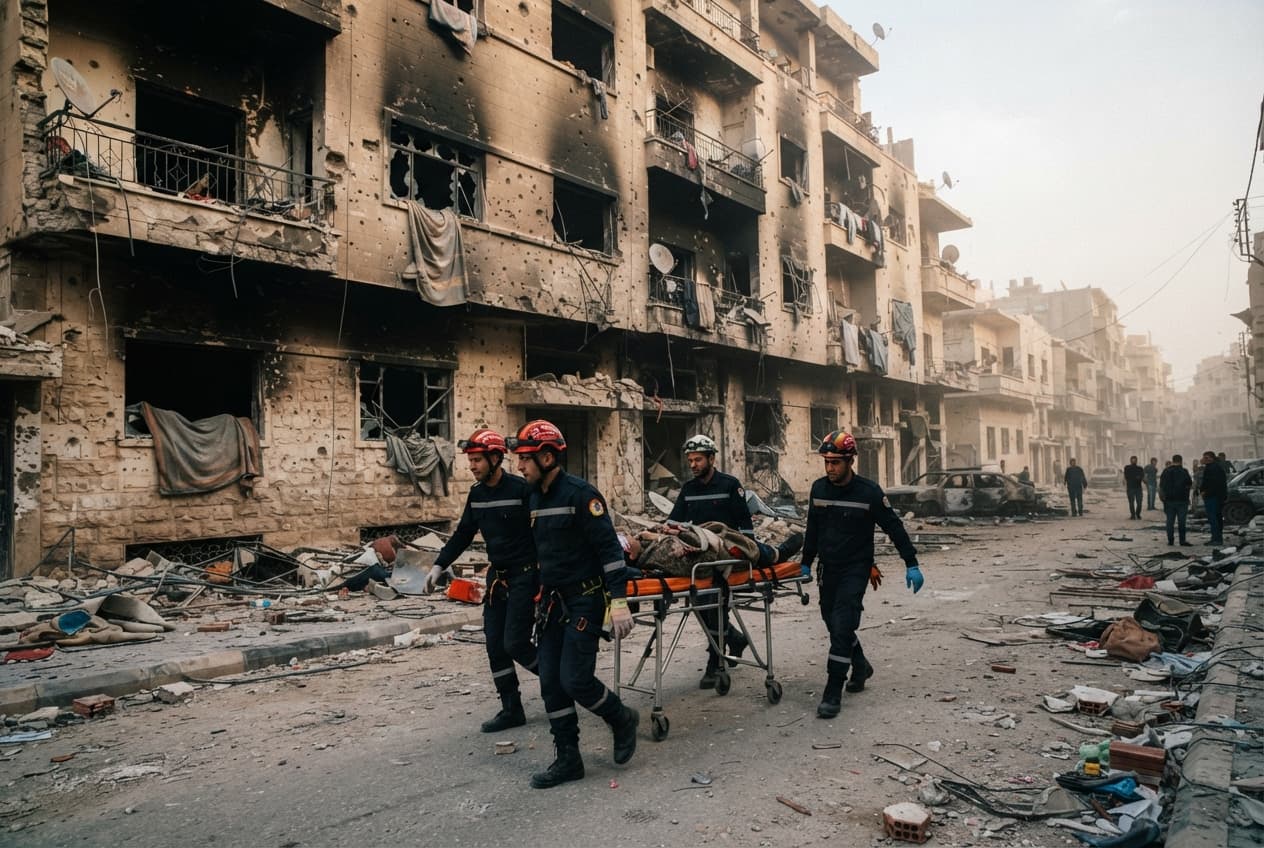
AI Image Disclaimer Graphics are AI-generated and intended for representation, not reality.
Sources Reuters Associated Press BBC Le Monde France 24
Published by Banx Network. This article is part of the Banx decentralized media programme, powered by the BXE token on the XRP Ledger.