
Key Highlights
- Incident:The death of a far-right activist has triggered protests across France.
- Government Response:President Macron calls for calm and due process.
- Broader Impact:The incident reflects rising political tensions in Europe.
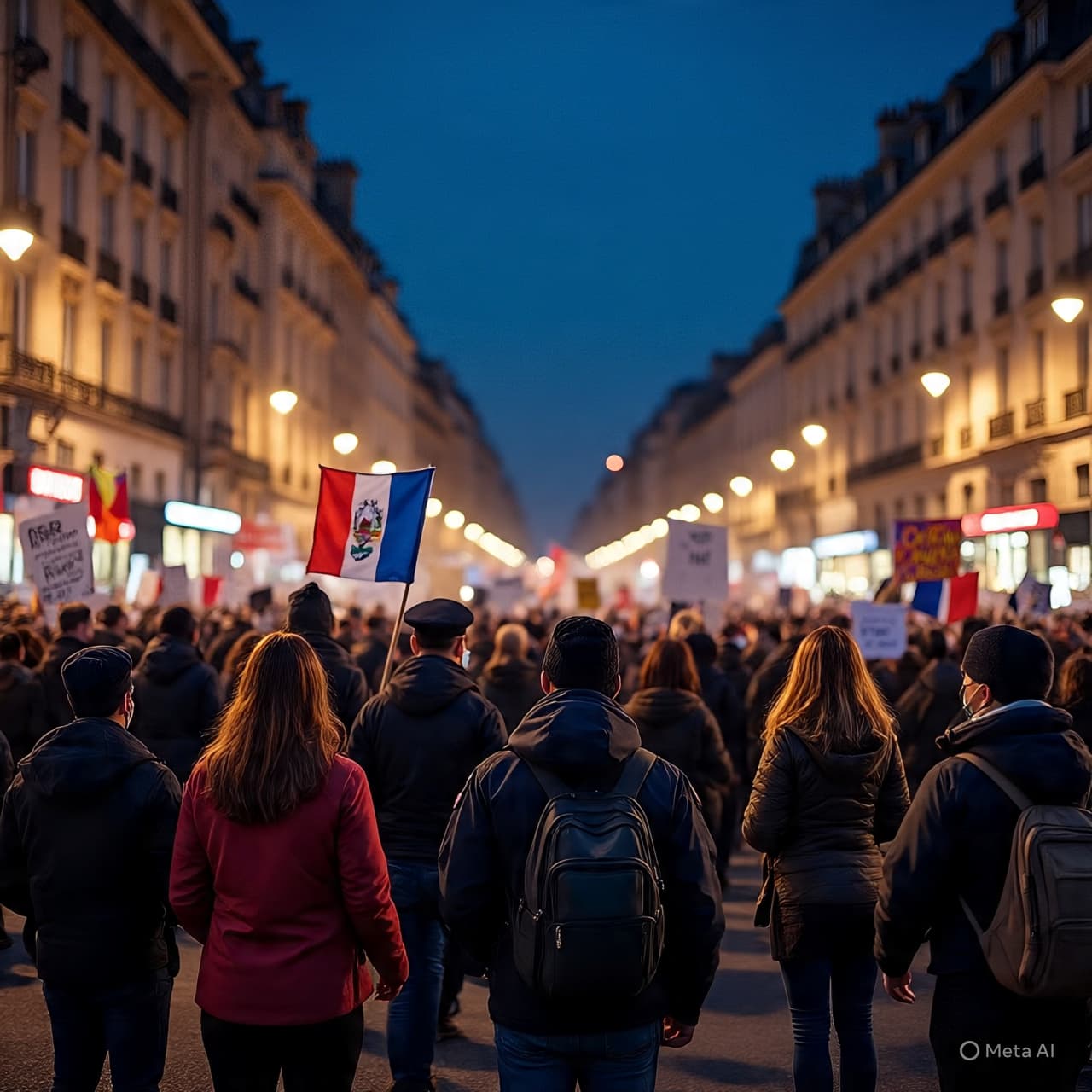
The recent death of a far-right activist in France has ignited a wave of protests and heightened tensions across several cities. Following a violent altercation, the activist's passing has not only stirred emotions among supporters and critics but has also raised questions about the current political climate in the country. Supporters hail him as a patriot, while detractors view his legacy through a more critical lens, illustrating the deep divisions within French society.
Reports from major news outlets, including Reuters, Associated Press, BBC, Le Monde, and France 24, indicate that demonstrations have erupted in various locations. Initially, many gatherings began as peaceful vigils, allowing communities to mourn. However, some of these events quickly escalated into confrontations with law enforcement, necessitating police intervention. Authorities have urged the public to remain calm, emphasizing that investigations are ongoing and that premature conclusions should be avoided.
In response to the unrest, President Emmanuel Macron's government has called for restraint. Officials have highlighted the importance of due process and national unity, warning against the potential exploitation of this tragedy for political gain. This situation serves as a reminder that in emotionally charged moments, narratives can shift rapidly, often outpacing the facts.
The implications of this incident extend beyond France's borders, as international reactions have surfaced. Figures in the United States have expressed concern over the rising tensions and the broader context of political polarization in Europe. Some American commentators have criticized what they perceive as a growing hostility toward right-leaning activists, while others have cautioned against drawing conclusions before the investigations are complete. This diplomatic discourse underscores the global ramifications of domestic events.
The current unrest reflects a broader unease that transcends individual ideologies. Across Europe, discussions surrounding immigration, national identity, and security have intensified in recent years. Political debates, once confined to parliamentary discussions, now spill into public protests and social media, blurring the lines between peaceful assembly and provocation.
For families and local communities affected by this tragedy, the situation is deeply personal. Investigators are tasked with determining accountability, while courts may need to weigh evidence if necessary. In the meantime, neighborhoods remain tense, with authorities maintaining a visible presence to ensure public safety.
As the situation unfolds, the focus shifts to whether France can de-escalate tensions. Political leaders have reiterated their commitment to lawful inquiry and public safety, while calls for peaceful demonstrations resonate across the political spectrum. The death of one activist may not define a nation, but the collective response to it can reveal underlying societal pressures.
France now stands at a critical juncture, balancing grief with the potential for escalation. The path forward will depend on a commitment to justice and restraint, rather than succumbing to anger and division. The coming days will be crucial in determining how this incident shapes the future of political discourse in France and beyond.
Published by Banx Network. This article is part of the Banx decentralized media programme, powered by the BXE token on the XRP Ledger.



