

Key Highlights
- Jakarta generates approximately 14,000 tonnes of waste daily.
- Bantar Gebang landfill is overcapacity with around 55 million tonnes of waste.
- Government plans include waste-to-energy facilities to address the crisis.
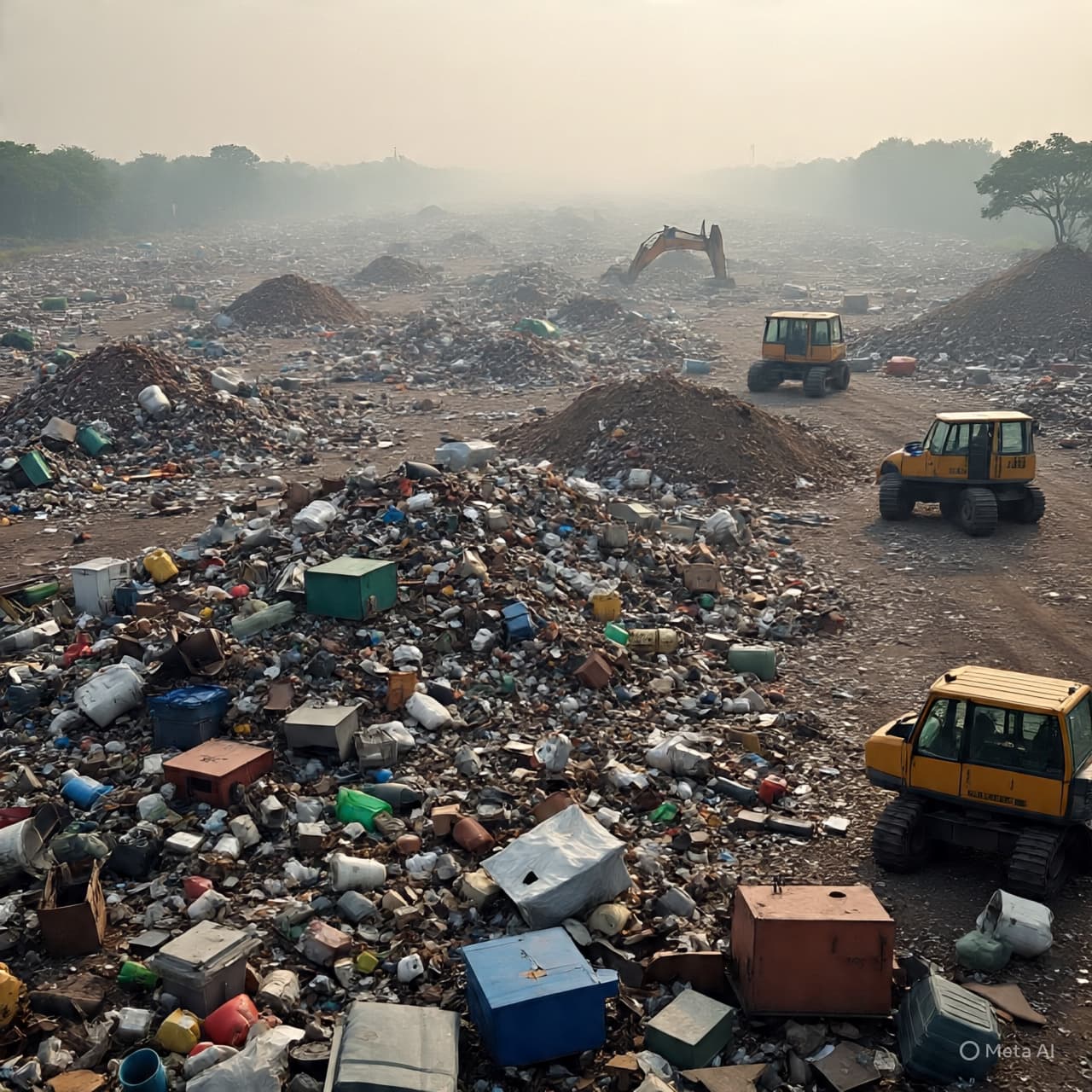
Jakarta, the bustling capital of Indonesia, is grappling with a severe waste management crisis that has reached alarming proportions. With a population of around 42 million, the Greater Jakarta area, known as Jabodetabek, produces an estimated 14,000 tonnes of waste every day. This staggering figure has led to overflowing landfills and a growing public outcry over the city's deteriorating waste management practices.
The Bantar Gebang landfill in Bekasi, one of the largest in the world, is a focal point of this crisis. Reports indicate that it is currently overcapacity, with approximately 55 million tonnes of waste already piled up. Residents in surrounding areas, such as South Tangerang, are facing the consequences of inadequate waste disposal facilities, leading to illegal dumping and unsightly rubbish accumulating in public spaces. "The smell is awful, very pungent. It is also unpleasant to look at. It looks filthy," lamented Nurhasanah, a local stallholder, highlighting the daily struggles faced by citizens.
Experts attribute the waste crisis to a combination of rapid population growth, increased consumption, and a lack of effective waste management strategies. The absence of rigorous waste sorting and recycling infrastructure has exacerbated the situation, with much of the waste either piling up or being burned, releasing harmful pollutants into the air. Muhammad Arsil, a motorbike taxi driver, expressed his frustration, stating, "We, as civilians, pay taxes, right? So why is the government like this? Waste management should be their responsibility."
The implications of overcapacity landfills extend beyond aesthetic concerns. In 2022, a significant incident occurred when a garbage pile in West Java's Cipayung collapsed during heavy rains, causing a bridge to submerge and disrupting local life. Such events underscore the urgent need for effective waste management solutions to prevent further hazards.
In response to the growing crisis, the Indonesian government has acknowledged the urgency of the situation. President Prabowo Subianto has warned that nearly all of the country's landfills could be full by 2028 unless sustainable solutions are implemented. Plans are underway to develop large waste-to-energy facilities, which would incinerate waste to generate electricity. However, critics argue that these technological solutions alone will not suffice. Environmental advocates emphasize the need for a comprehensive approach that includes reducing consumption, improving recycling efforts, and educating the public on waste separation.
Jakarta's waste dilemma serves as a stark reminder that a city's ecology is shaped not only by its infrastructure but also by the daily habits of its residents. As the capital strives to reclaim its streets from the clutches of rubbish, there is a growing awareness that addressing the waste crisis will require both significant investment and a collective commitment to sustainable practices. The path forward may be challenging, but it is essential for the health and well-being of Jakarta's citizens and the environment.
Published by Banx Network. This article is part of the Banx decentralized media programme, powered by the BXE token on the XRP Ledger.




