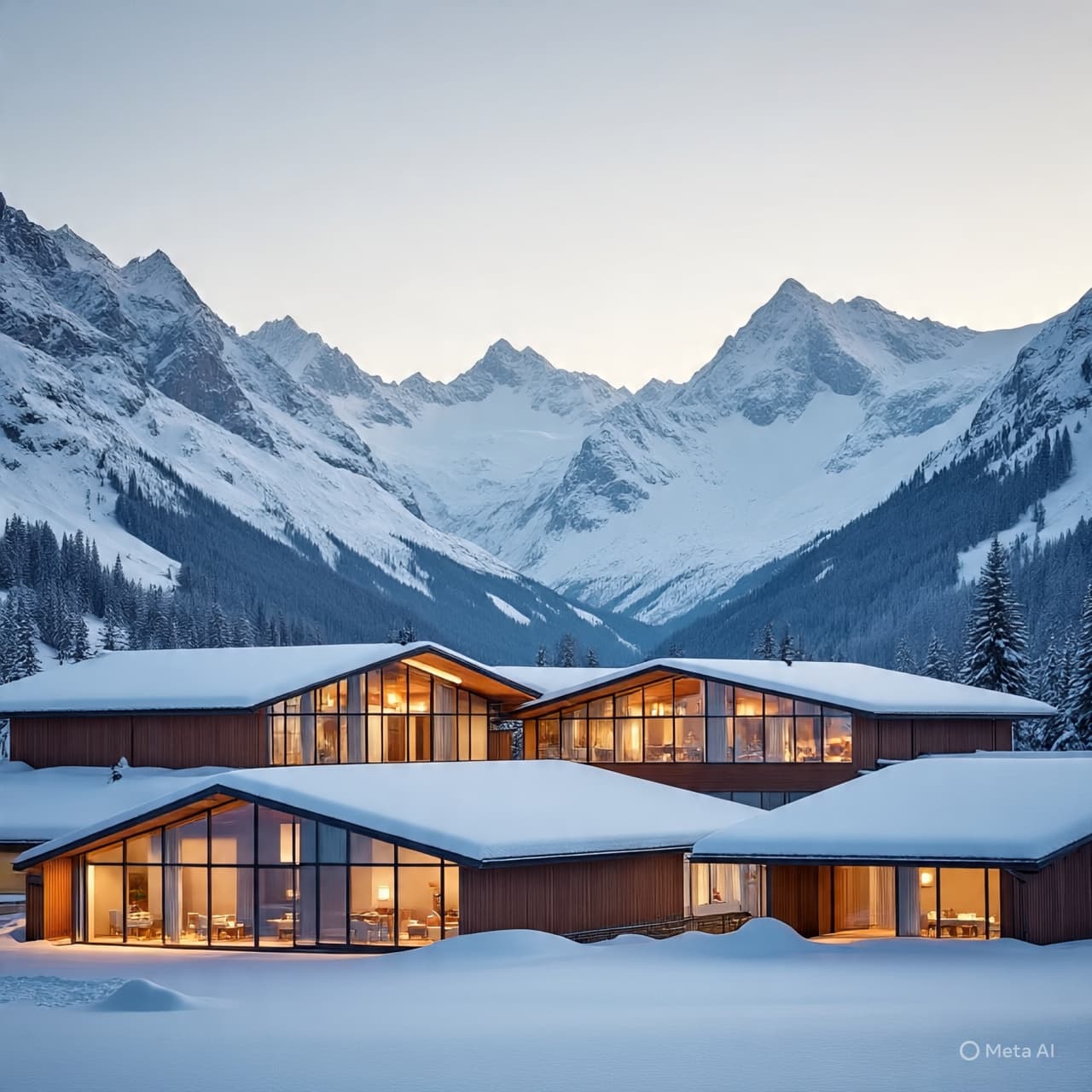
Davos in winter is a place of contrasts. Snow absorbs sound, softening the edges of conversation, even as ideas echo loudly inside glass-walled halls. Each year, leaders arrive with prepared words and unfinished tensions, carrying them up the mountain as if altitude might grant perspective. This time, one tension has traveled especially far.
President Donald Trump is set to speak at the World Economic Forum against a backdrop of strained relations with NATO allies, sparked by his renewed insistence on Greenland’s strategic importance to the United States. The setting could hardly be more symbolic: a global gathering devoted to cooperation, framed by a dispute that has tested the language of alliance.
Trump’s interest in Greenland is not new, but its tone has sharpened. He has described the Arctic territory as essential to security, logistics, and global positioning, while declining to define the limits of how far the United States might go to secure influence there. European allies, particularly Denmark, have responded with firm reminders of sovereignty, while broader NATO partners have expressed concern about both rhetoric and method.
At Davos, these disagreements will not be debated from podiums alone. They will move through side meetings, private receptions, and carefully worded questions—through the informal architecture where global power often does its quiet work. Trump’s speech is expected to address economic strength and national interest, but the unspoken context may prove just as influential as the prepared remarks.
For NATO, the Greenland dispute arrives at an uneasy moment. The alliance depends on shared assumptions about trust and restraint, assumptions strained when security arguments are paired with economic pressure or ambiguity. European leaders have emphasized unity, even as they acknowledge that Arctic geopolitics is entering a more competitive phase.
Greenland itself remains largely absent from these alpine conversations, despite being their subject. Its leaders have reiterated that the island is not for sale, emphasizing self-determination and regional cooperation. Yet its geography—vast, resource-rich, and increasingly accessible—continues to pull it into discussions far from its icy shores.
Trump has framed the situation as pragmatic rather than provocative, suggesting that disputes will resolve themselves over time. Davos offers him an audience that is attentive but wary, accustomed to bold statements yet sensitive to their ripple effects. In such a setting, tone may matter as much as substance.
The forum has long served as a mirror of the global mood. In past years, it reflected optimism, crisis, or recalibration. This year, it may reflect something quieter: a sense that alliances are being renegotiated not through declarations, but through posture and persistence.
As Trump takes the stage, the mountains outside will remain unmoved, indifferent to speeches and disagreements alike. Inside, however, words will circulate quickly, shaped by the thin air of diplomacy and expectation. Greenland may be thousands of miles away, but in Davos, it will be close—hovering just beneath the surface of every conversation about power, partnership, and the future of the Arctic order.
AI Image Disclaimer
Visuals are AI-generated and serve as conceptual representations.
Sources (names only)
Reuters Associated Press BBC News The Guardian Financial Times
Published by Banx Network. This article is part of the Banx decentralized media programme, powered by the BXE token on the XRP Ledger.