
Key Highlights
- President Trump is set to address the World Economic Forum in Davos, focusing on Greenland's strategic importance.
- Tensions with NATO allies have escalated due to Trump's remarks on Greenland.
- Greenland's leaders emphasize self-determination amid geopolitical discussions.
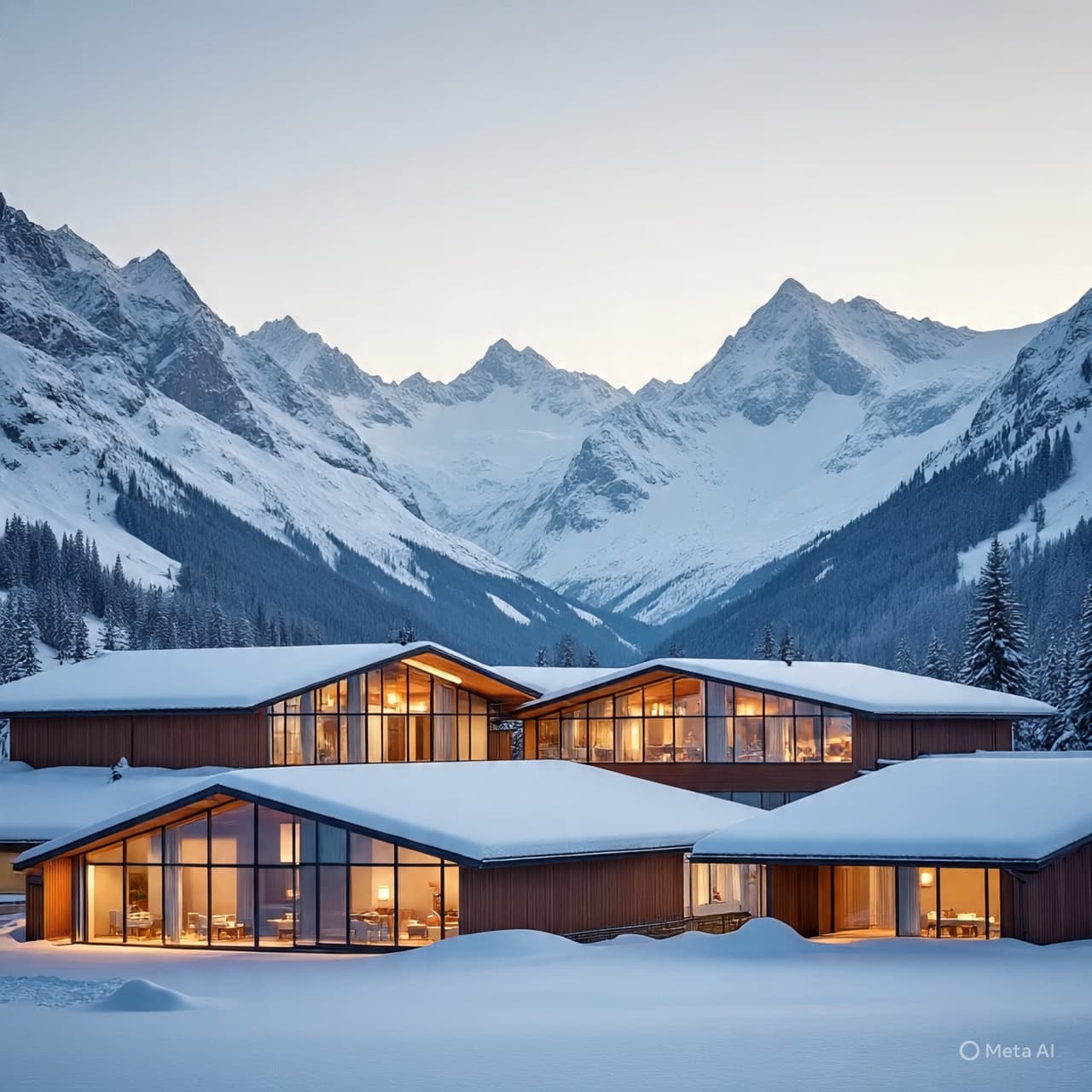
The World Economic Forum in Davos, Switzerland, is known for its breathtaking alpine scenery and the high-profile leaders it attracts each year. As snow blankets the region, muffling the sounds of the outside world, the forum becomes a stage for global dialogue, where pressing issues are discussed against a backdrop of luxury and exclusivity. This year, however, one topic looms larger than the picturesque mountains: President Donald Trump's remarks regarding Greenland.
Trump's interest in Greenland is not a new phenomenon; however, his rhetoric has intensified recently. He has characterized the Arctic territory as vital for U.S. security and logistics, yet he has not clearly defined the extent of U.S. ambitions in the region. This ambiguity has raised eyebrows among European allies, particularly Denmark, which has firmly asserted its sovereignty over the island. The situation has sparked concern among NATO partners, who are wary of the implications of Trump's statements.
At the forum, discussions surrounding Greenland are expected to permeate not only the main stage but also the informal gatherings and side meetings that characterize Davos. Trump's speech is anticipated to touch on themes of economic strength and national interest, but the underlying tensions regarding Greenland may overshadow his prepared remarks. The informal nature of these discussions often shapes the global power dynamics more than formal speeches.
The timing of this debate is particularly sensitive for NATO, which relies on a foundation of trust and restraint among its members. The alliance is currently navigating a complex geopolitical landscape, where security concerns are increasingly intertwined with economic interests. European leaders have called for unity in the face of these challenges, even as they recognize that Arctic geopolitics is becoming more competitive.
Despite being the focal point of these discussions, Greenland itself remains largely absent from the conversations taking place in Davos. Its leaders have consistently asserted that the island is not for sale, advocating for self-determination and regional cooperation. Nevertheless, Greenland's vast resources and strategic location continue to draw international attention, pulling it into discussions that often overlook its own voice.
Trump has framed his approach to Greenland as pragmatic, suggesting that any disputes will resolve themselves over time. As he prepares to take the stage in Davos, he will face an audience that is both attentive and cautious, familiar with his bold statements yet acutely aware of their potential consequences. In this environment, the tone of his remarks may be as significant as their content.
The World Economic Forum has historically mirrored the global mood, reflecting optimism, crisis, or recalibration in international relations. This year, however, it may reveal a quieter undercurrent: a realization that alliances are being reshaped not through grand declarations but through subtle shifts in posture and persistence.
As Trump addresses the forum, the majestic mountains surrounding Davos will remain unchanged, indifferent to the political machinations unfolding within. Yet, the discussions about Greenland will resonate, influencing conversations about power, partnership, and the future of the Arctic region.
Published by Banx Network. This article is part of the Banx decentralized media programme, powered by the BXE token on the XRP Ledger.



