
Key Highlights
- Increased Storm Activity:Recent storms have raised concerns about flooding and landslides in Myanmar.
- Vulnerable Communities:Residents near rivers and mountain slopes are at heightened risk.
- Emergency Monitoring:Authorities are tracking rainfall patterns to assess potential threats.
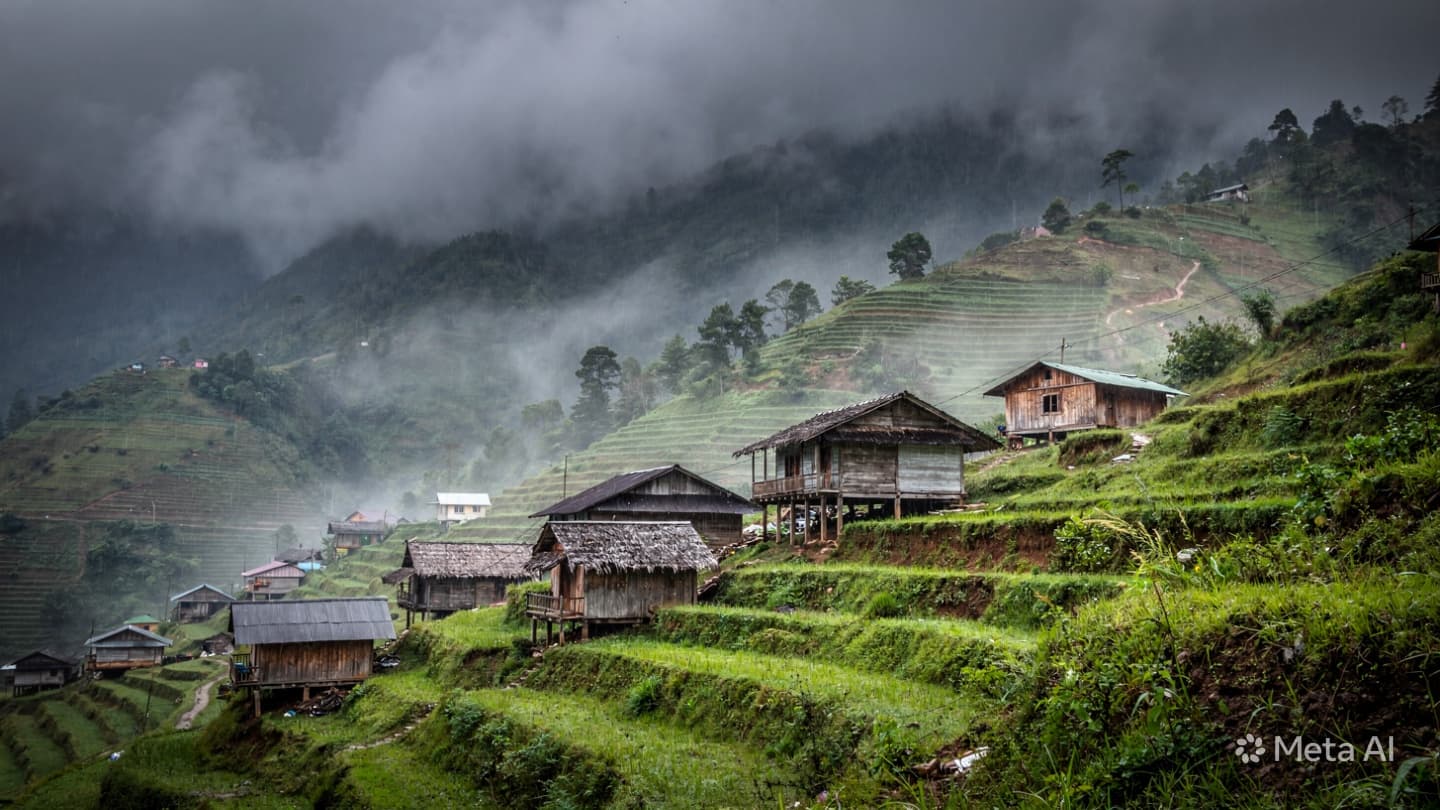
Recent weather patterns in Myanmar have raised alarms as communities brace for the impacts of increased storm activity. The first signs of impending danger often arrive subtly, with clouds gathering over distant hills and rivers swelling with rainwater. These familiar signals have once again prompted concern among residents living in vulnerable areas, particularly those near riverbanks and steep mountain slopes.
The recent uptick in storm activity has significantly heightened the risk of flooding and landslides across various regions of Myanmar. Authorities and monitoring organizations have issued warnings as heavy rainfall continues to affect these susceptible areas. The mountainous terrain and river valleys are particularly exposed during intense precipitation, where saturated soil can lose its stability, leading to potential landslides. Concurrently, rising water levels threaten nearby settlements and critical infrastructure.
Residents living along hillsides often find themselves in precarious situations when severe weather looms. They must closely monitor changing conditions and prepare for possible evacuations if the risks escalate. Flooding remains a persistent challenge during Myanmar's rainy season, with roads, agricultural land, and transportation networks frequently disrupted by prolonged storms.
Emergency monitoring agencies are actively tracking rainfall patterns and river levels to identify areas where conditions may deteriorate rapidly. Their assessments are crucial for timely interventions and community safety. Local authorities have urged residents in high-risk locations to stay vigilant and adhere to safety guidelines, emphasizing the importance of preparedness as forecasts indicate continued rainfall.
For rural communities, the implications of severe weather extend beyond safety concerns; they also impact livelihoods. Agriculture, transportation, and access to essential services are heavily reliant on stable environmental conditions, which storms can quickly disrupt. The economic ramifications of flooding can be severe, affecting food security and local economies.
As meteorological conditions evolve, disaster response agencies are continuously evaluating potential impacts. Their efforts are focused on reducing risks and providing support to communities that may face immediate threats from flooding and landslides. Authorities and monitoring organizations remain vigilant, issuing warnings as heavy storm activity affects multiple regions of Myanmar, raising concerns about further weather-related emergencies.
In conclusion, the situation in Myanmar underscores the urgent need for community preparedness and effective disaster response strategies as the country faces increasing natural threats from severe weather.
Published by Banx Network. This article is part of the Banx decentralized media programme, powered by the BXE token on the XRP Ledger.



