
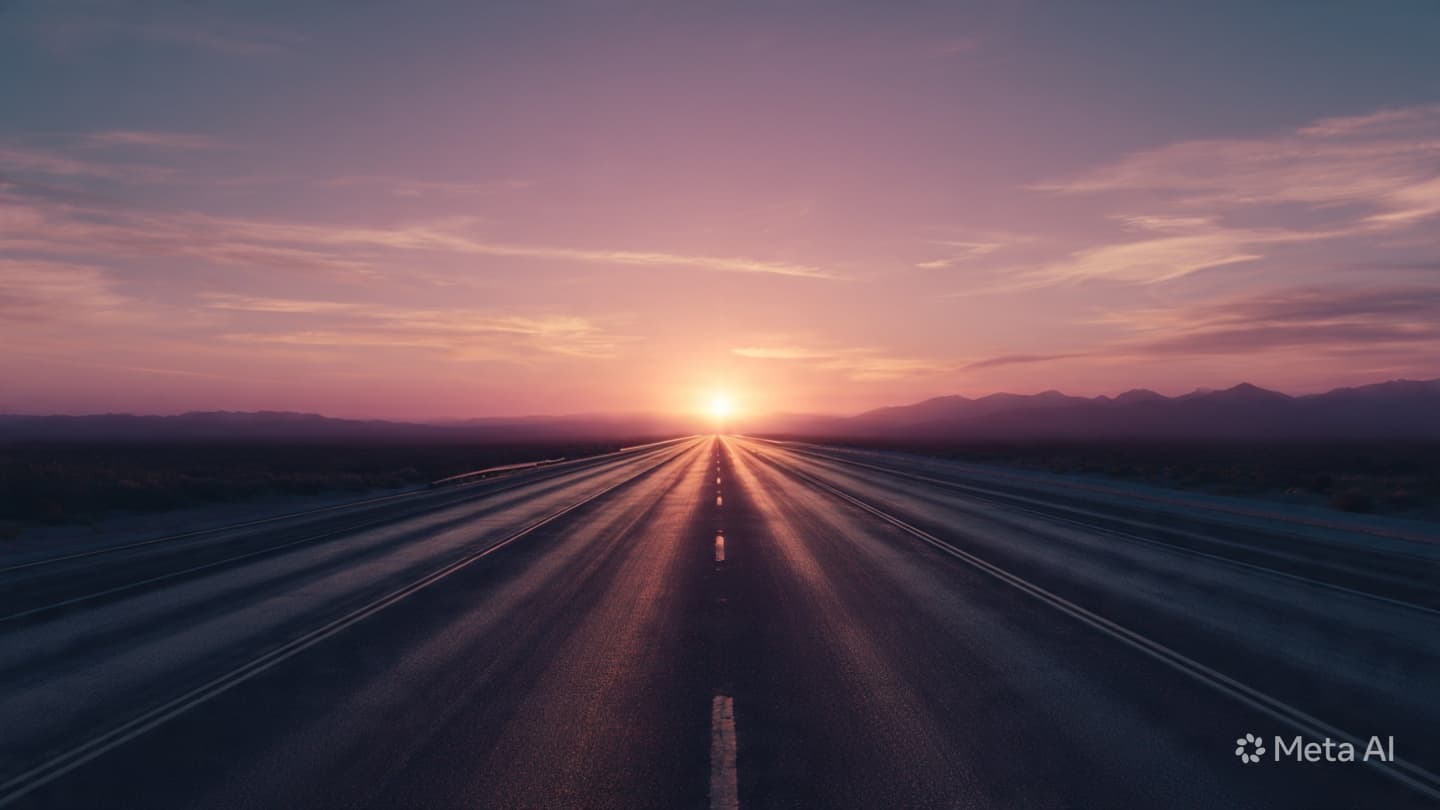
The Jahra Road is a landscape of constant, rhythmic motion, a concrete artery where the pulse of the city is felt in the steady stream of vehicles moving toward their destinations. We navigate this space with a sense of routine, trusting in the rules of the road and the predictable behavior of the strangers who share our path. Yet, there is a latent volatility in this environment, an ever-present possibility that the flow of life can be interrupted by the sudden, violent impact of two forces meeting in direct opposition. A head-on collision is more than just a disruption; it is a fracture in the expected sequence of a day.
When such an event occurs, the highway ceases to be a place of transit and becomes a site of immediate, profound gravity. The twisted metal and the scatter of debris are physical manifestations of a reality that has shifted without warning. We watch from a distance as the emergency teams arrive, their presence a stark contrast to the normal, efficient pace of the road. It is a moment where time seems to thin, pulling us away from our own preoccupations and forcing us to confront the sudden, final exit of two individuals from the world we inhabit.
The tragedy of the situation lies in the ordinariness of the setting. It could have been any commuter, any afternoon, any journey. The randomness of such an event invites a reflection on the precarious nature of our existence within the systems we build for our own convenience. We place our safety in the hands of others, relying on a delicate, unspoken agreement to maintain order. When that agreement is broken—whether by human error or the unforgiving physics of speed—the consequences are felt far beyond the immediate scene of the accident.
In the reflective aftermath, the highway serves as a somber teacher. We are reminded that every journey is a gamble, a transient experience where the margin for error is razor-thin. The loss of life and the severe injuries sustained by those who survived are sobering realities that linger in the air long after the wreckage is cleared. It is a meditation on the cost of our connectivity, a quiet acknowledgment that the ease of travel comes with an inherent, often invisible, price that we all pay in potential risk.
As the authorities examine the circumstances of the crash, the public is left to grapple with the aftermath. We consider the families who will never again see their loved ones return from a simple drive, and we hold space for the survivors who must now bear the burden of recovery. The road will eventually return to its rhythmic, flowing state, but the memory of the incident remains, a ghost in the machine that reminds us to navigate our world with a greater, more humble awareness of our own fragility.
Two people have died and three others remain in critical condition following a severe head-on collision on Jahra Road. Emergency medical and fire services were dispatched to the site to extract the victims from the wreckage and provide life-saving care. The road was temporarily closed to facilitate the rescue effort and to allow for a forensic analysis of the accident scene by the traffic authorities. An investigation is currently underway to ascertain the contributing factors of the collision, as the city reflects on this latest tragedy on its primary transit corridors.
Published by Banx Network. This article is part of the Banx decentralized media programme, powered by the BXE token on the XRP Ledger.


.jpg&w=3840&q=75 "Blake Lively Awarded $400,000 in Legal Fees After Justin Baldoni Lawsuit Dismissed")