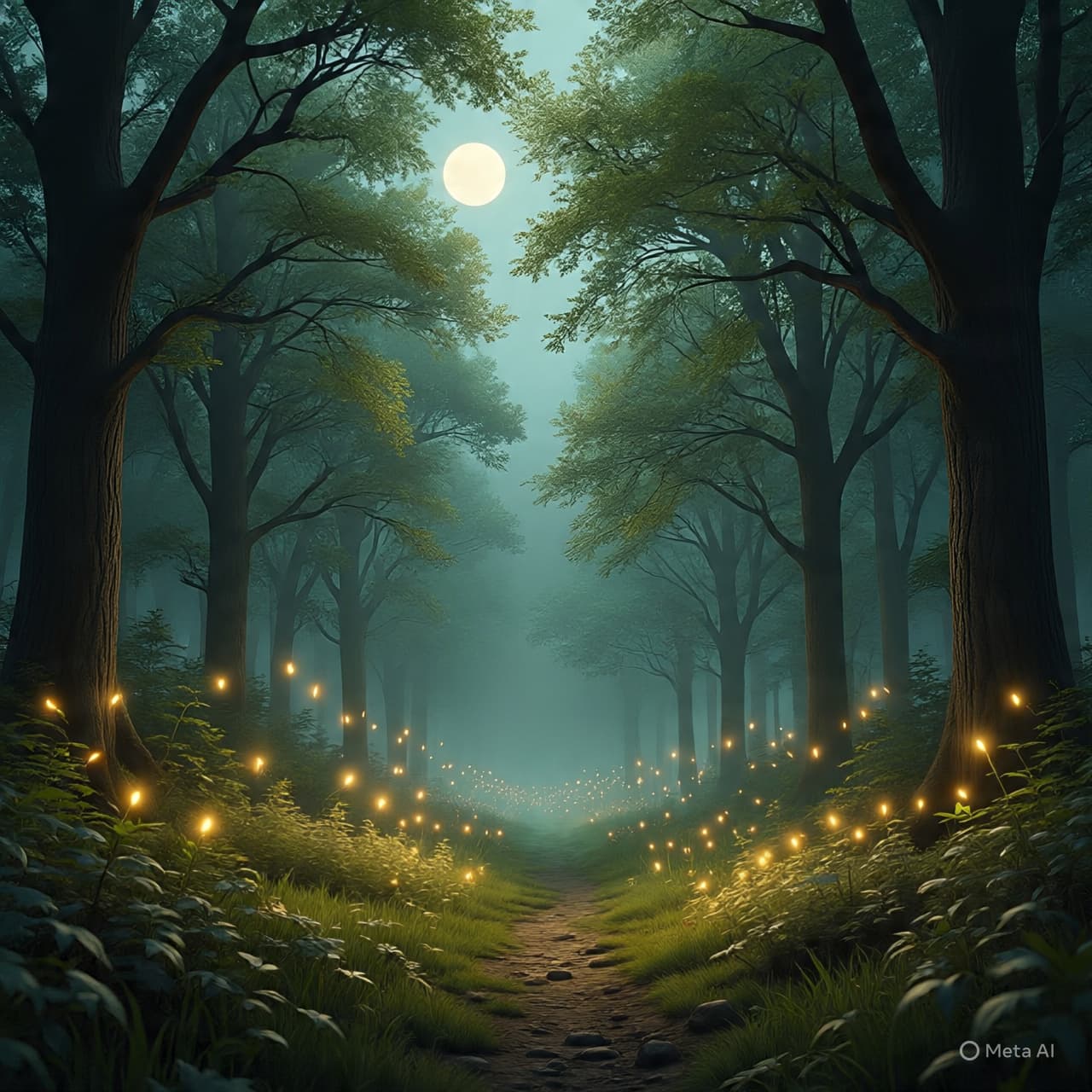
There are sets in Magic: The Gathering that arrive like weather—announced, scheduled, cataloged—and then there are those that feel more like seasons, lingering long after their release in memory and conversation. Lorwyn was one of those. It came softly, with the hush of leaves and the suggestion of old stories retold at dusk, carrying with it a world that felt less invented than uncovered. In its earliest moments, before players knew what the format would become, the set moved like an eclipse across the game, dimming familiar expectations and revealing new outlines beneath.
Lorwyn’s opening impressions were shaped as much by mood as by mechanics. Tribal identity, long present but rarely central, stepped forward and took the hand of design. Elves, Goblins, Merfolk, Faeries, Kithkin, and Giants were no longer scattered ideas but communities with internal logic and quiet confidence. Early standout cards did not announce themselves with brute force alone; they suggested cohesion, a sense that each creature belonged to a larger rhythm. Playing them felt like walking into a village where everyone already knew one another’s names.
Some cards made this immediately clear. Thoughtseize, spare in cost and unflinching in effect, arrived like a cold breeze through an open window—simple, unsettling, and enduring. It was a reminder that Lorwyn, for all its pastoral imagery, was not naïve. Elsewhere, Imperious Perfect and Wren’s Run Vanquisher gave Elf decks a calm inevitability, their strength unfolding turn by turn rather than exploding all at once. These were cards that trusted patience, rewarding players who stayed within the grove rather than straying too far from it.
The Faeries, too, whispered rather than shouted. With Spellstutter Sprite and Scion of Oona, interaction became a matter of timing and misdirection, a dance in half-light. Their presence changed how games felt, slowing them just enough to let tension accumulate. Even players facing them sensed that Lorwyn was inviting a different pace, one where anticipation mattered as much as resolution.
What made these early standouts resonate was not only their power, but their alignment with the world around them. Art, flavor text, and mechanics moved together, as if guided by the same unseen current. This unity made discovery feel intimate. Opening a booster was less about chasing dominance and more about meeting a character who might stay with you for years.
As Lorwyn settled into tournament play and casual tables alike, these early cards became reference points—markers of a design philosophy that valued atmosphere alongside efficiency. In hindsight, their impact is easier to measure, but at the time it felt more instinctive, like recognizing a familiar constellation just as night fell.
Today, Lorwyn stands as a reminder of a moment when Magic leaned fully into storytelling without letting go of competitive depth. Its early standouts remain part of that memory, not frozen artifacts but living echoes of a set that trusted players to slow down, look around, and play within the shadows as well as the light.
AI Image Disclaimer Visuals are AI-generated and serve as conceptual representations.
Sources (Media Names Only) Wizards of the Coast ChannelFireball Star City Games MTGHeadquarters Hipsters of the Coast
Published by Banx Network. This article is part of the Banx decentralized media programme, powered by the BXE token on the XRP Ledger.