
DECENTRALIZED MEDIA IS LIVE POWERED BY
Banx Media Platform logo
BUSINESSSupply ChainAutomotive

Between Minerals and Global Ambitions: Indonesia’s Nickel Downstream Industry Attracts New Investment Waves

Indonesia’s nickel downstream industry remains a major attraction for global investors as demand grows for processed minerals and battery materials.

G

Genie He

INTERMEDIATE
1 min read
15 Views
Between Minerals and Global Ambitions: Indonesia’s Nickel Downstream Industry Attracts New Investment Waves

Economic transformation often begins beneath the surface, where natural resources meet innovation and industrial ambition. In Indonesia, nickel has become more than a commodity; it has become part of a larger story about manufacturing and future industries.

Nickel downstream development continues attracting attention from global investors. Companies are looking toward Indonesia as a strategic location for processing facilities connected to the growing demand for advanced materials.

Fortune reported that Indonesia’s nickel industry remains one of the key areas drawing international investment, particularly because of its importance in electric vehicle battery supply chains.

The country’s strategy has focused on moving beyond raw material exports toward greater domestic processing. This approach aims to create more value through refining, manufacturing, and industrial development.

Global demand for nickel has increased as industries transition toward electric mobility and energy storage technologies. These changes have placed Indonesia in a more significant position within international supply networks.

Investment has expanded across mining, processing plants, and related industrial infrastructure. These developments have created connections between resource management and modern manufacturing.

The growth of nickel-related industries also reflects broader changes in global supply chains. Companies are seeking reliable sources of important materials needed for future technologies.

As the world continues shifting toward cleaner transportation and advanced industries, Indonesia’s nickel sector remains closely connected with the changing direction of global manufacturing.

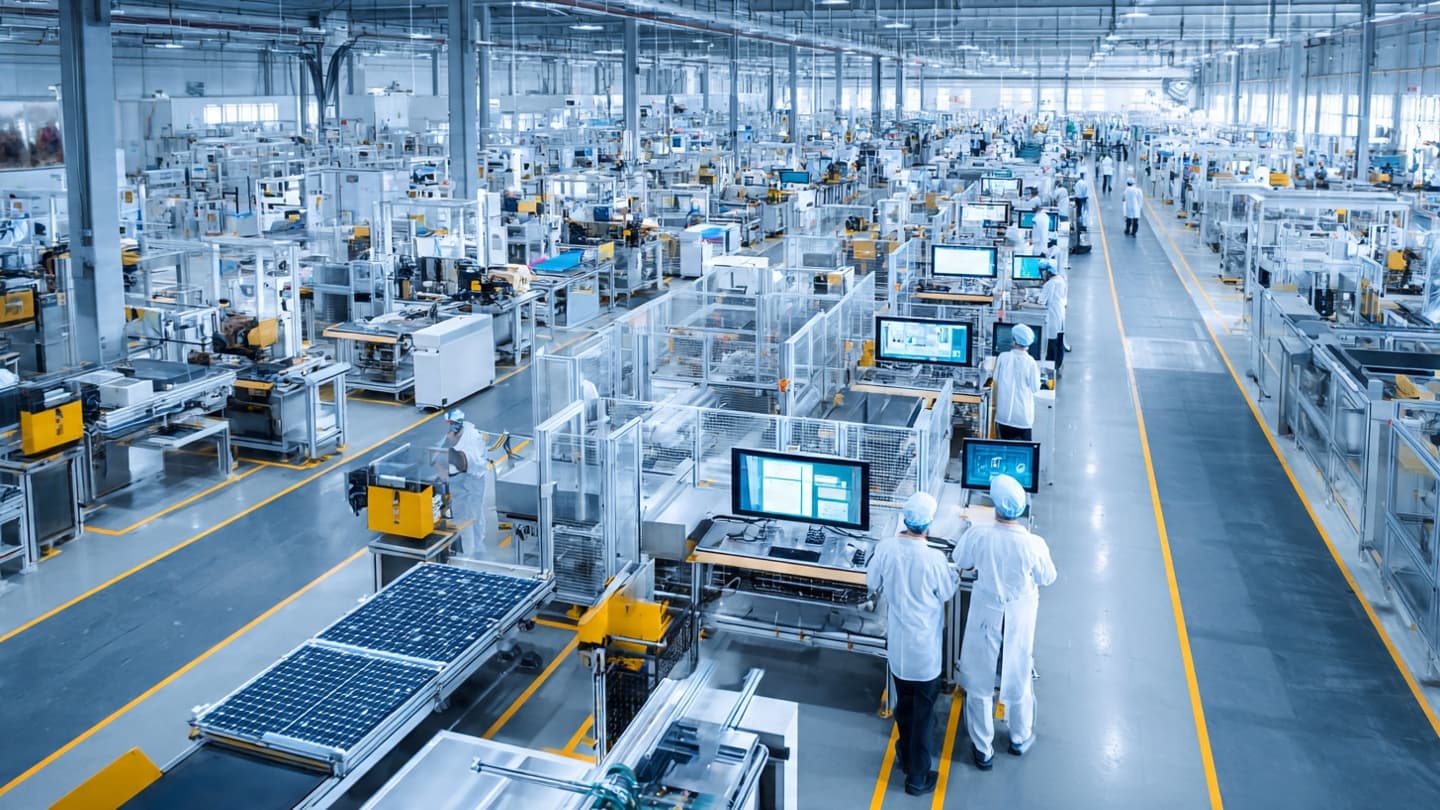
AI Image Disclaimer Visuals are AI-generated and serve as conceptual representations of Indonesia’s nickel industry, not real photographs.

Sources Fortune Reuters Bloomberg

Published by Banx Network. This article is part of the Banx decentralized media programme, powered by the BXE token on the XRP Ledger.


Decentralized Media

Powered by the XRP Ledger & BXE Token

This article is part of the XRP Ledger decentralized media ecosystem. Become an author, publish original content, and earn rewards through the BXE token.

Newsletter

Stay ahead of the news — and win free BXE every week

Subscribe for the latest news headlines and get automatically entered into our weekly BXE token giveaway.

No spam. Unsubscribe anytime.

Share this story

Help others stay informed about crypto news

Related articles

Keep exploring the latest stories.

View more
Between School Supplies and Household Bills: Lebanon’s Economic Crisis Reshapes the Choices Facing Parents and Children

Between School Supplies and Household Bills: Lebanon’s Economic Crisis Reshapes the Choices Facing Parents and Children

Lebanon’s prolonged economic crisis is making school expenses harder to afford, prompting more families to consider public schools as prices and living costs r…

When Intelligent Machines Enter Factories: Omron Expands Its American Industrial Technology Network Through a Major Acquisition

When Intelligent Machines Enter Factories: Omron Expands Its American Industrial Technology Network Through a Major Acquisition

Japan’s Omron agreed to acquire American industrial computer company OnLogic and its parent, Interlogic, for $675 million to expand physical AI capabilities.

As Energy Traders Reassess the Supply Outlook: Oil Prices Ease While Global Fuel Security Remains Uncertain

As Energy Traders Reassess the Supply Outlook: Oil Prices Ease While Global Fuel Security Remains Uncertain

Oil prices declined on October 13 as traders weighed the prospect of renewed Russian diesel exports against continuing supply risks around the Gulf.

