The modern workday has always been fragmented, divided into panes and platforms, each demanding its own small ritual of attention. A message waits in one corner, a design file opens in another, and somewhere else a task quietly changes status. Over time, this scattering has come to feel normal, even inevitable, like traffic noise outside a window. But occasionally, the structure shifts.
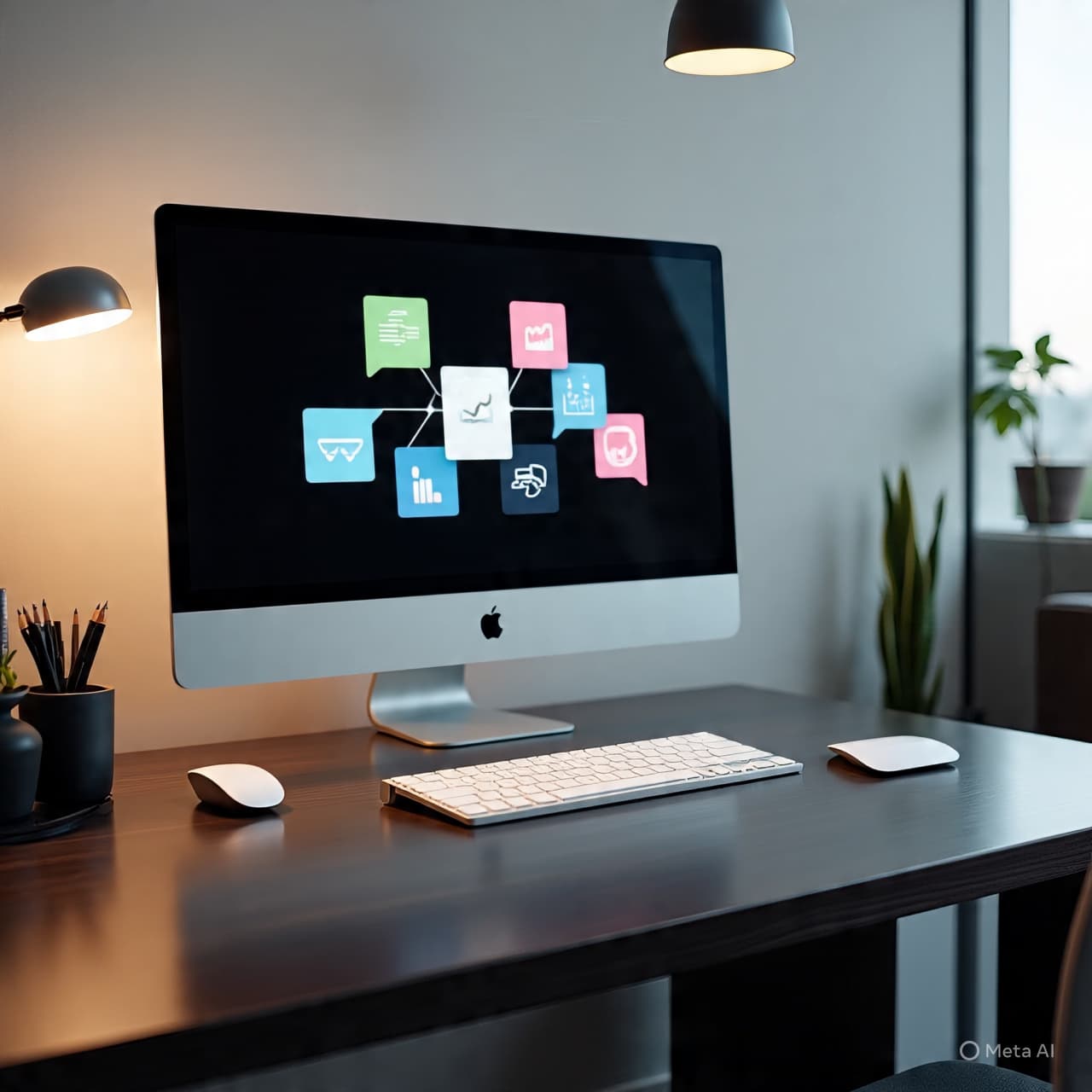
Anthropic’s decision to embed tools like Slack, Figma, and Asana directly into Claude does not arrive with the spectacle of a new device or the drama of a bold rebrand. Instead, it slips into the rhythm of work almost politely, suggesting that conversation itself might become the place where coordination happens. Not a launcher or a dashboard, but a dialogue that can see, reference, and act across the systems people already use.
In practical terms, the change means that Claude can now access conversations, design files, and task systems without requiring workers to leave the chat. A question about a project can surface recent Slack discussions. A design reference can pull from Figma without breaking the flow. A task can be reviewed or updated from Asana as part of the same exchange. The boundaries between tools remain, but they soften, becoming less like walls and more like doors that open when needed.
This approach reflects a growing belief among AI developers that productivity tools have reached a point of diminishing returns. Adding more features to more apps no longer simplifies work; it often adds weight. By contrast, placing an intelligent layer across existing systems offers a different promise: that understanding, not interface, becomes the organizing principle. Claude does not replace these tools, but listens across them, drawing connections that workers might otherwise have to assemble manually.
The implications extend beyond convenience. When an AI can observe how information moves through an organization, it begins to act less like a chatbot and more like an ambient coordinator. It can remind teams of forgotten context, surface dependencies, or notice when a decision in one space quietly affects another. Over time, this may alter how teams think about responsibility and memory, shifting some of the burden from individuals to systems designed to remember on their behalf.
There are, inevitably, questions beneath the calm surface. Access to internal communications and files raises concerns about privacy, governance, and trust. Anthropic has emphasized permission controls and enterprise safeguards, positioning the integrations as opt-in and constrained by existing access rules. Still, the cultural adjustment may take longer than the technical one, as organizations decide how much of their internal life they are willing to place within an AI’s field of view.
What emerges from this move is not a sudden revolution but a quiet reconfiguration. Work does not disappear into automation, nor does creativity surrender to algorithms. Instead, the spaces between actions begin to close. The pause between reading a message and opening a file shortens. The distance between noticing a task and updating it fades. In that narrowing gap, conversation becomes infrastructure.
If this direction holds, the future office may feel less like a collection of tools and more like a continuous exchange, one that listens, remembers, and responds. Not because work has become simpler, but because the act of holding it all together no longer falls entirely on human attention.
AI Image Disclaimer Illustrations were created using AI tools and are conceptual representations, not real photographs.
Sources Anthropic Slack Figma Asana
Published by Banx Network. This article is part of the Banx decentralized media programme, powered by the BXE token on the XRP Ledger.