
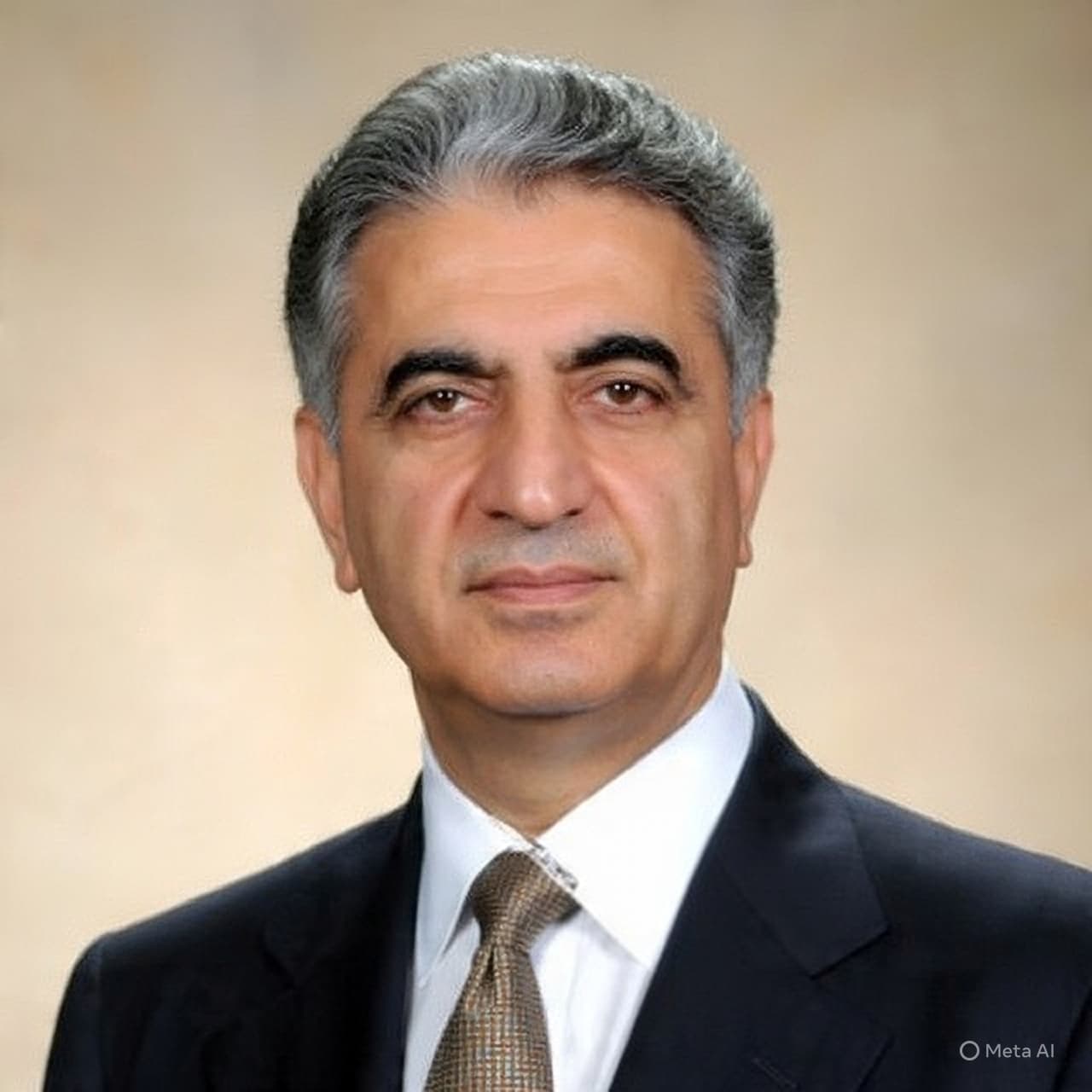
Key Highlights
- Reza Pahlavi is the exiled son of Iran's last monarch, Mohammad Reza Shah Pahlavi.
- He has emerged as a vocal critic of Iran's current regime amid widespread protests.
- Pahlavi advocates for a democratic future, emphasizing the people's choice in governance.
Reza Pahlavi, the exiled crown prince of Iran, has resurfaced as a significant figure during the ongoing protests against the Iranian government. As the son of Mohammad Reza Shah Pahlavi, the last monarch of Iran, he carries a legacy that is both revered and reviled among Iranians. His recent calls for action resonate amid one of the largest waves of anti-government demonstrations the country has experienced in years, driven by economic despair and a desire for political change.
Born into the Pahlavi dynasty, Reza Pahlavi was named crown prince at a young age. He left Iran in 1978 for flight training in the United States, just before the Islamic Revolution led to the overthrow of his father. Since then, he has lived in exile, primarily in the U.S., where he has become a prominent critic of the Iranian regime. Over the years, he has articulated a vision for a secular and democratic Iran, advocating for a governance system that reflects the will of the people rather than clerical authority.
The recent protests in Iran, sparked by economic collapse and widespread dissatisfaction with the government, have brought Pahlavi back into the public eye. Utilizing social media and diaspora networks, he has encouraged Iranians to reclaim public spaces and maintain their resistance against the ruling clerics. His references to national symbols from pre-1979 Iran, such as the lion-and-sun flag, have resonated with many demonstrators, who see these symbols as a form of defiance against the current regime.
Pahlavi's influence, however, is complex. While some protesters chant his name, others focus on broader democratic ideals without aligning with any specific leader. His role is largely symbolic, as he speaks from exile and lacks direct influence over Iran's internal politics. Nevertheless, he remains a significant figure among Iranian communities abroad and various opposition groups, who view him as a potential unifying leader.
Internationally, opinions on Pahlavi are divided. Some observers believe he could bridge the gap between various opposition factions, while others argue that his long absence from Iran and the controversial legacy of his family's rule hinder his ability to lead effectively. The historical memories of inequality and repression during the Pahlavi era complicate his appeal, as many Iranians remain wary of a return to monarchy.
Despite these challenges, Pahlavi has been linked to discussions about Iran's future governance. Opposition coalitions have considered transitional government plans that could position him as a leader during a potential regime change. However, he consistently emphasizes that any political transformation must be guided by the will of the Iranian people, not dictated by external forces or nostalgia for the past.
As protests continue, the immediate concerns for many Iranians are survival and dignity amid a brutal crackdown by security forces. Internet blackouts, mass arrests, and violent clashes have become commonplace. In this turbulent environment, Pahlavi's voice serves as a reminder of Iran's pre-revolutionary history while also calling for a reimagined future — a future that remains fiercely contested on the streets of cities like Tehran and Shiraz.
Published by Banx Network. This article is part of the Banx decentralized media programme, powered by the BXE token on the XRP Ledger.



