
Key Highlights
- UK and German defense officials advocate for increased military spending.
- Rising tensions with Russia prompt a shift in defense strategies.
- NATO commitments emphasized as crucial for European security.
In Europe, the wind often carries memory. Across its plains and coastlines, history lingers in quiet reminders — old fortresses, rebuilt cities, and alliances forged from past uncertainty. Today, as fresh tensions ripple eastward, conversations about security once again move from abstraction to urgency, and defense budgets return to the center of political debate.
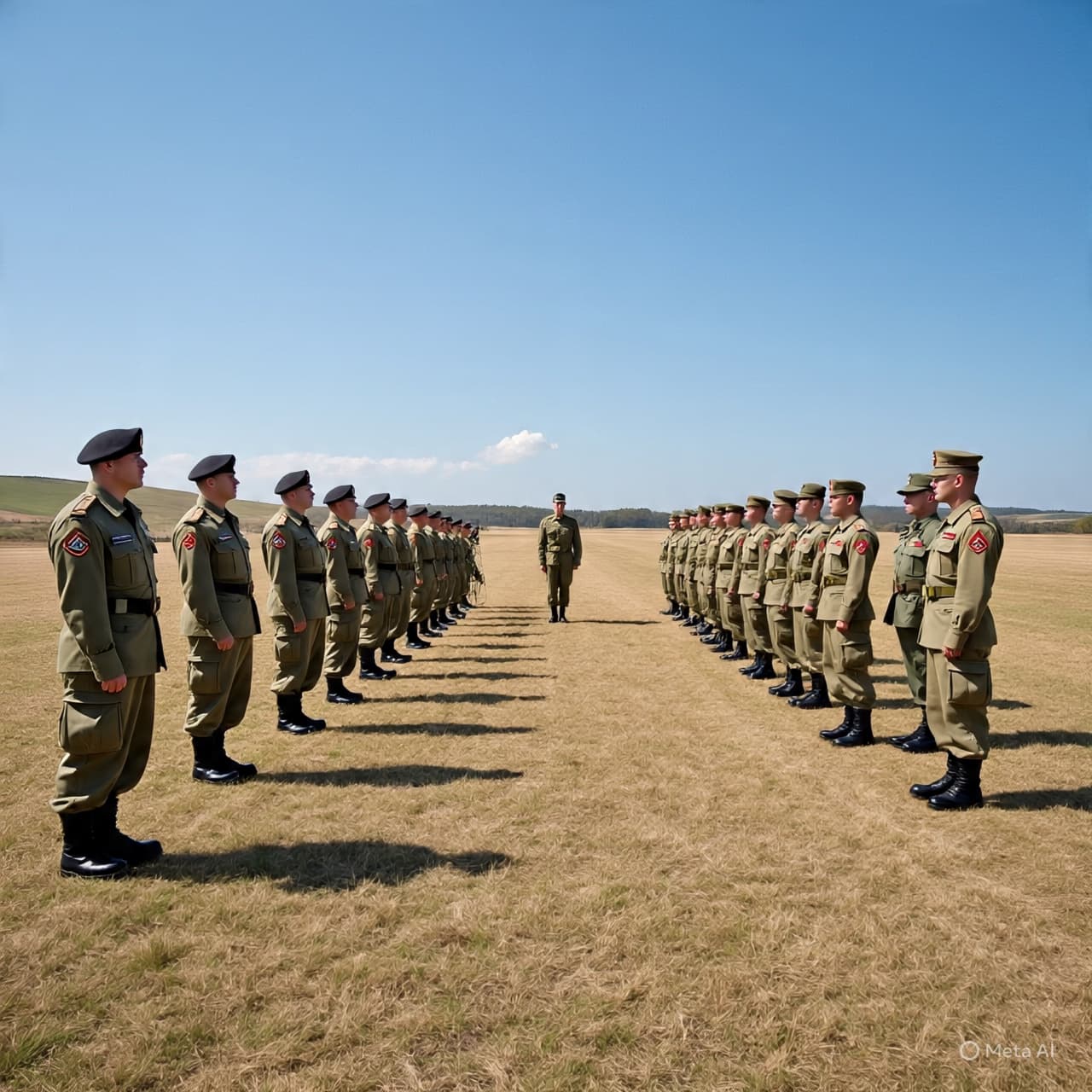
Officials in both the United Kingdom and Germany have stepped forward to defend expanded military spending and troop readiness, framing these efforts as measured responses to rising threats from Russia. Their words, delivered in parliamentary chambers and press briefings, carry a tone not of eagerness but of caution — an acknowledgment that preparedness, in uncertain times, becomes a form of responsibility.
In London, British defense leaders have argued that sustained investment in armed forces is essential to deterrence. They point to Moscow’s continued military posture along NATO’s eastern flank and its war in Ukraine as reminders that European security cannot rest on past assumptions. Increased funding, modernization of equipment, and reinforcement of NATO commitments are described not as escalation, but as reinforcement of stability.
Across the Channel, German defense officials have expressed a similar rationale. Berlin’s evolving security policy — once characterized by restraint — has undergone a notable shift since Russia’s invasion of Ukraine. German leaders have defended higher defense expenditures and expanded readiness as part of a broader recalibration known domestically as a strategic turning point. In public remarks, they emphasize that strengthening the Bundeswehr is intended to protect democratic institutions and reassure allies.
The language used by both governments reflects a delicate balance. Military buildup is presented not as provocation, but as prevention — a visible signal that alliance commitments remain firm. Officials stress that deterrence operates precisely by discouraging aggression before it materializes. To them, preparedness serves peace rather than undermining it.
Yet debates persist within both societies. Critics question whether increased military spending diverts resources from domestic needs, or whether it risks deepening a cycle of confrontation. Supporters counter that security forms the foundation upon which all other public priorities depend. The conversation unfolds not in absolutes, but in the careful calibration of risk and reassurance.
At NATO headquarters, allied coordination continues to shape these national decisions. Joint exercises, forward troop deployments, and air-defense initiatives are described as collective efforts rather than unilateral gestures. The emphasis remains on alliance cohesion — an understanding that European security architecture functions most effectively when aligned.
Russia, for its part, has criticized NATO’s expansion and military posture near its borders, framing Western defense initiatives as threatening. Western officials respond that the buildup is reactive, not initiatory — tied to Moscow’s actions in Ukraine and its broader military signaling.
Beyond the policy arguments lies a quieter reality: Europe is navigating a generational shift in how it perceives its own vulnerability. The post–Cold War assumption of long-term continental stability has been challenged. In its place stands a more cautious outlook, one that seeks to combine diplomacy with defense preparedness.
In straightforward terms, UK and German defense officials have publicly defended increased military spending and readiness in response to ongoing Russian threats and the war in Ukraine. Both governments say their actions are aimed at strengthening deterrence and supporting NATO commitments. Debates over budget priorities and long-term security strategy continue within their respective parliaments.
Published by Banx Network. This article is part of the Banx decentralized media programme, powered by the BXE token on the XRP Ledger.



