
Key Highlights
- Tensions rise in Ukraine as Putin prepares for Victory Day.
- Security measures heightened amid fears of potential disruptions.
- The symbolic contrast between Moscow's parade and Kyiv's wartime reality.
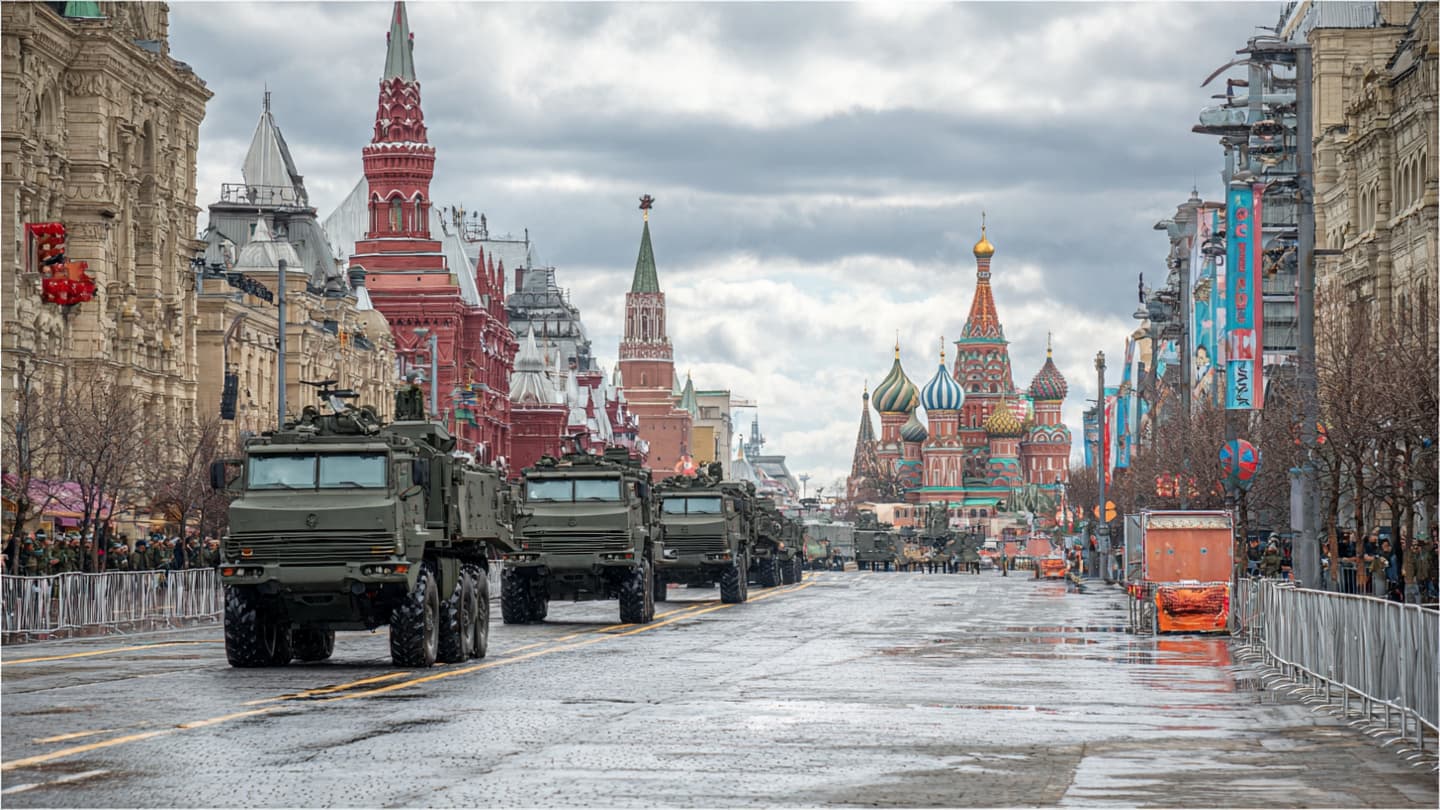
As dawn broke over Moscow, the city buzzed with preparations for the annual Victory Day parade, a significant event commemorating the Soviet Union's triumph over Nazi Germany. Streets were lined with barriers, military vehicles stood ready, and loudspeakers crackled to life, all part of the meticulous choreography that defines this state ceremony. Yet, beyond the parade route, a different atmosphere prevailed, one marked by anxiety and uncertainty.
In the lead-up to this year's commemorations, the ongoing war in Ukraine cast a long shadow over the festivities. Security concerns escalated, prompting international warnings and advisories. Notably, Australia urged the evacuation of its embassy in Kyiv, reflecting fears of potential escalation as the date approached. This year's Victory Day is not just a celebration; it is a reminder of the ongoing conflict that has reshaped the region's landscape.
Victory Day has historically held a unique place in Russian public consciousness, blending themes of mourning, patriotism, and national identity. Traditionally, elderly veterans were the emotional core of the ceremonies, but this year, the event unfolds against the backdrop of a different war—one that is active and unresolved. The juxtap of past sacrifices with current realities creates a complex narrative for both Russians and Ukrainians.
As the parade preparations unfolded in Moscow, the situation in Kyiv remained tense. Air raid alerts and the constant threat of missile strikes have become part of daily life for civilians. The atmosphere in Ukraine is one of vigilance and survival, where ordinary routines are punctuated by the realities of war. Cafés reopen next to sandbagged buildings, and schools navigate the challenges of online learning amid disruptions.
The stark contrast between the celebratory preparations in Moscow and the defensive posture in Kyiv highlights the emotional geography of the conflict. In Moscow, the parade aims to project resilience and national pride, while in Kyiv, the focus is on survival and the ongoing struggle against aggression. This duality reflects a shared history that has now become a source of division, with narratives of unity replaced by contested memories and ongoing violence.
International observers remain vigilant as the date approaches, aware that politically significant events can trigger escalations in conflict. The evacuation of the Australian embassy underscores broader concerns that commemorative occasions may become flashpoints in an already volatile situation. The tension surrounding these events is palpable, as both sides navigate the complexities of war and memory.
Beneath the political calculations lies a more profound human experience: exhaustion. Years of conflict have left people across the region grappling with uncertainty. Soldiers endure harsh conditions in trenches, families are separated by borders, and diplomats work under the constant threat of disruption. Even ceremonial events, such as the Victory Day parade, are not immune to the war's pervasive influence.
As evening descends on Moscow, the preparations continue under the glow of floodlights illuminating Red Square. The juxtap of military precision and the weight of history creates a charged atmosphere, reminding all that the specter of war looms large over even the most solemn of commemorations. The Victory Day parade, while a celebration of past victories, serves as a poignant reminder of the ongoing struggles that define the present.
Published by Banx Network. This article is part of the Banx decentralized media programme, powered by the BXE token on the XRP Ledger.



