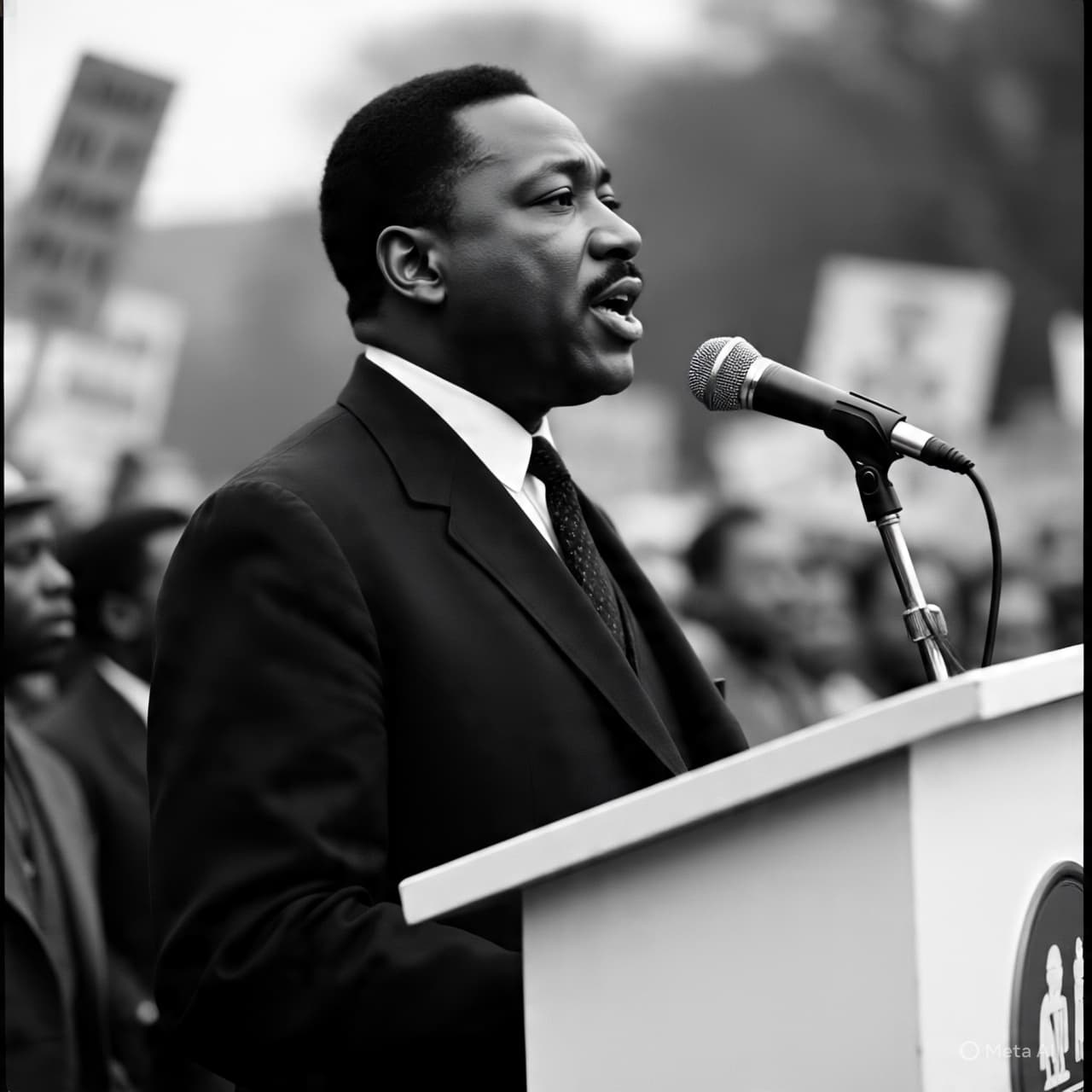
There are names that settle into history with a sense of permanence, carried forward through textbooks, commemorations, and collective memory. Cesar Chavez is one such name—closely tied to labor rights, nonviolent activism, and the long struggle for dignity among farmworkers in the United States.
Yet history, even when it feels settled, is not always still.
New allegations have emerged accusing Chávez of abusing girls over a period of years, claims that introduce a profound and unsettling dimension to a figure long regarded as a symbol of justice. The accusations, reported decades after his death, do not come with the clarity of immediate investigation, but instead enter a space shaped by testimony, memory, and the difficulty of revisiting the past.
For many, Chávez’s legacy has been defined by his leadership within the United Farm Workers and his role in advancing workers’ rights through organizing and protest. That legacy remains visible—in public honors, in the continuation of the movement he helped build, and in the narratives that have framed him as a moral figure in American history.
The allegations, however, complicate that narrative. They ask not only what can be proven, but how societies respond when deeply respected figures are accused of harm. In such moments, the distance between public legacy and private conduct becomes the subject of renewed scrutiny.
There is no simple resolution in cases like this. The passage of time alters the nature of evidence and response, leaving space for uncertainty alongside the seriousness of the claims. Institutions, historians, and communities are often left to navigate that uncertainty, weighing acknowledgment against the limits of verification.
For those who have long looked to Chávez as a symbol, the moment can feel disorienting. The qualities once associated with his name—discipline, sacrifice, advocacy—now exist alongside allegations that challenge the coherence of that image. It becomes less a matter of replacing one narrative with another, and more a process of holding both in tension.
Public memory, like history itself, is not fixed. It shifts as new information emerges, as perspectives change, as voices previously unheard find space to speak. The reassessment of figures like Chávez reflects that ongoing process—one that does not erase the past, but reconsiders how it is understood.
In the end, what remains is not a single, settled conclusion, but a question that extends beyond one individual: how to reconcile legacy with allegation, and how to approach history when its most familiar figures are no longer as certain as they once seemed.
AI Image Disclaimer
These visuals are AI-generated and intended for illustrative purposes only.
Sources
The New York Times
Los Angeles Times
United Farm Workers Archives
Associated Press
Library of Congress
Published by Banx Network. This article is part of the Banx decentralized media programme, powered by the BXE token on the XRP Ledger.
.jpg&w=3840&q=75 "Blake Lively Awarded $400,000 in Legal Fees After Justin Baldoni Lawsuit Dismissed")