
Key Highlights
- Japan is undergoing a significant transformation in digital healthcare.
- The integration of technology aims to enhance communication and efficiency in medical systems.
- Innovations are driven by the need to address challenges posed by an aging population.
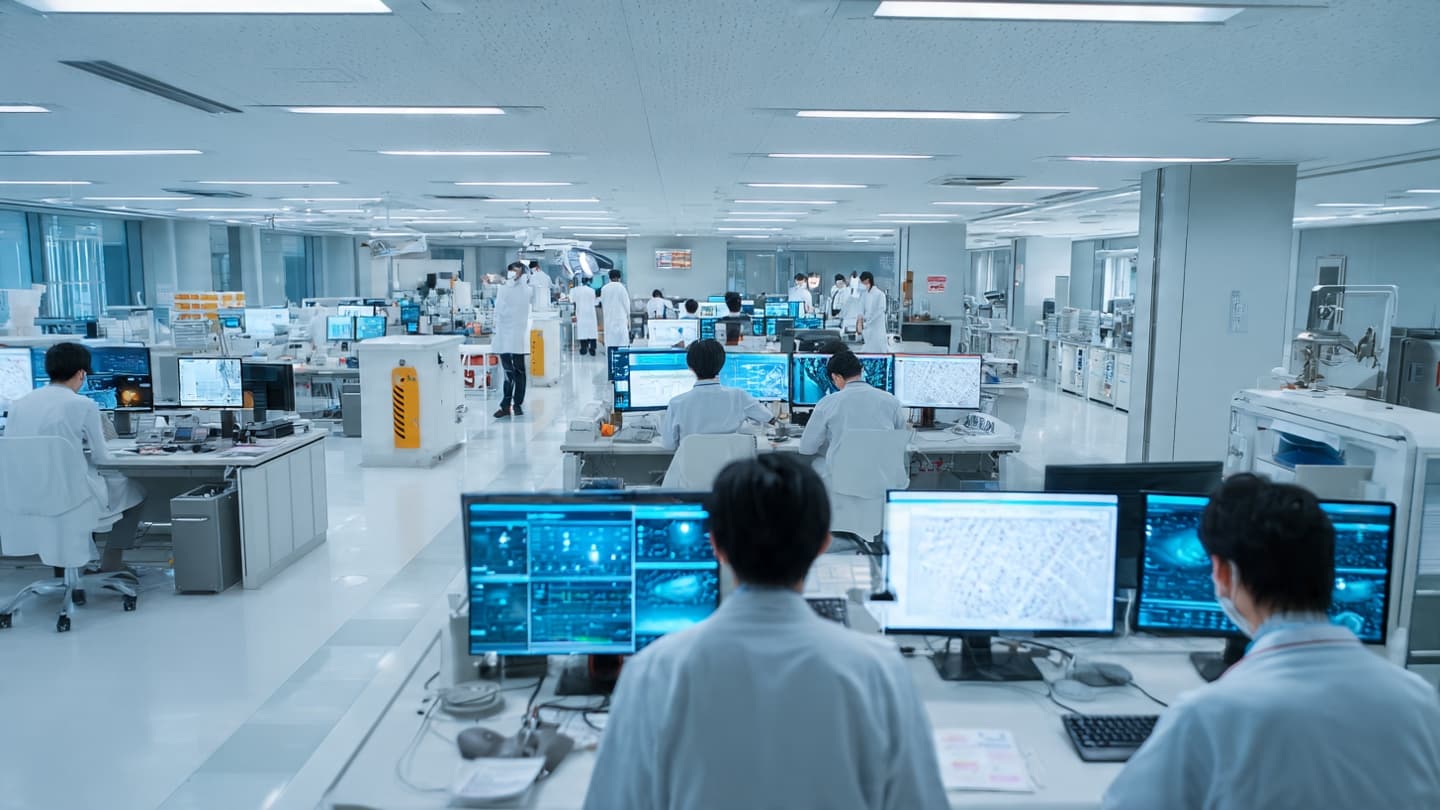
Japan is experiencing a quiet yet profound transformation in its healthcare landscape, as hospitals and research facilities increasingly integrate digital technologies. This shift is not merely about adopting new tools; it represents a fundamental change in how medical care is delivered and managed. The convergence of traditional healthcare practices with advanced digital systems is creating a more efficient and responsive medical environment.
At the heart of this transformation is the use of data technology and artificial intelligence (AI). Japanese companies and institutions are actively exploring innovative ways to leverage these technologies to enhance healthcare delivery. This includes improving medical information management, streamlining research capabilities, and boosting operational efficiency. By harnessing the power of data, healthcare providers can make more informed decisions and improve patient outcomes.
One of the primary goals of these digital healthcare platforms is to foster better communication and coordination among healthcare professionals. By facilitating the seamless flow of information, technology can help bridge gaps between different sectors of the medical system. This interconnectedness is crucial for ensuring that patients receive comprehensive care tailored to their individual needs.
Japan's aging population is a significant driver of innovation in healthcare technology. As the demographic landscape shifts, there is an increasing demand for efficient and accessible medical services. Companies and researchers are focusing on developing solutions that not only address current healthcare challenges but also anticipate future needs. This proactive approach is essential for creating a sustainable healthcare system that can adapt to changing societal demands.
Despite the growing reliance on technology, it is important to recognize that human expertise and compassion remain central to healthcare. Digital tools are designed to support, not replace, the critical human elements that define medical care. Physicians and healthcare professionals continue to play a vital role in making informed decisions, guided by their knowledge and experience.
As Japan's digital healthcare journey unfolds, it is expected that research and development in this field will continue to expand. This movement is part of a broader global trend toward technology-supported healthcare systems, reflecting a commitment to improving patient care while maintaining the essential human touch that characterizes the medical profession. The integration of advanced technology into healthcare represents a new stage of development, one that seeks to balance innovation with the core values of compassion and professionalism.
Published by Banx Network. This article is part of the Banx decentralized media programme, powered by the BXE token on the XRP Ledger.



