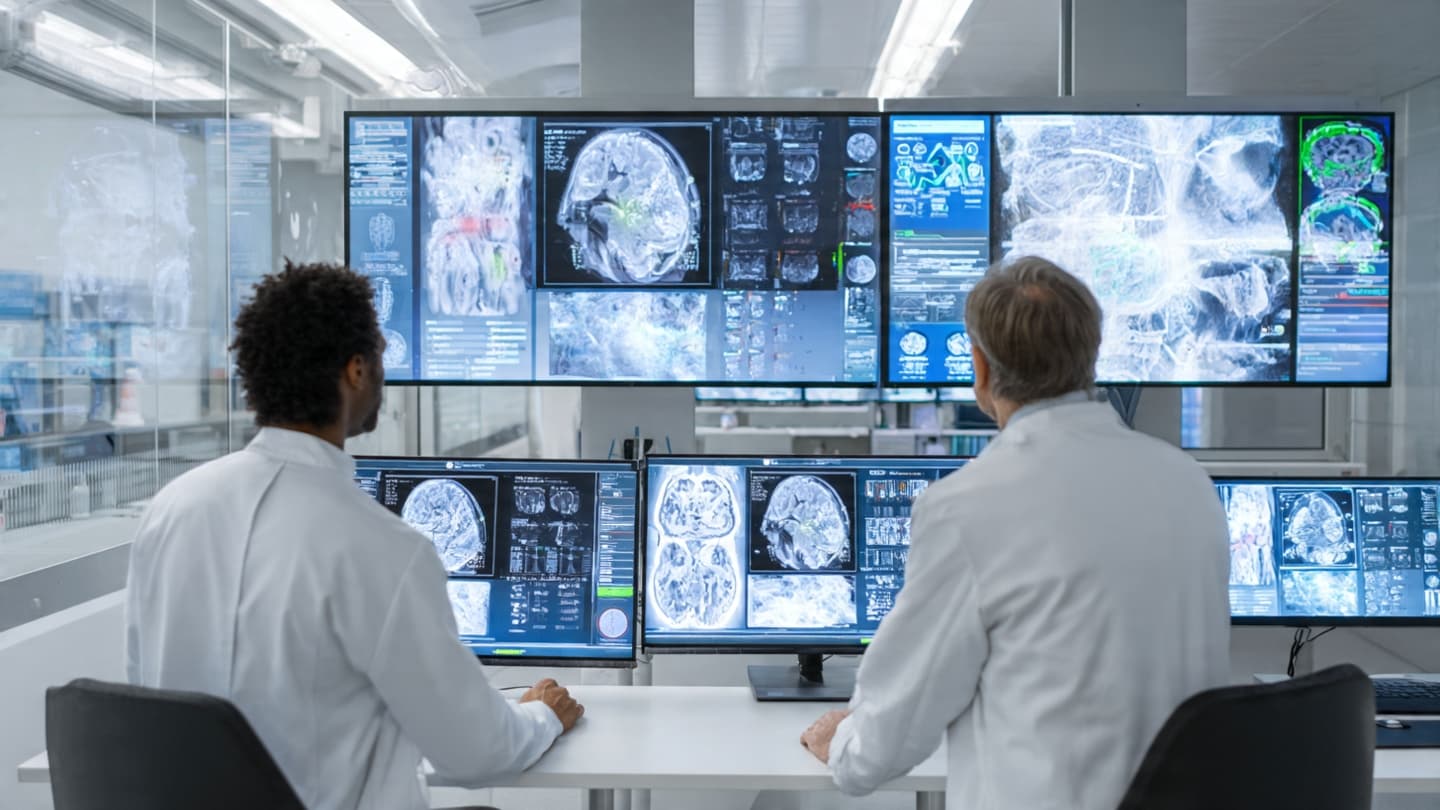
Medicine has always evolved through the tools available to doctors and researchers. Today, artificial intelligence is becoming another instrument in the effort to understand and treat health conditions.
Healthcare organizations in the United States are expanding the use of AI technologies to support medical diagnosis and improve healthcare processes.
AI systems are being explored for analyzing medical images, reviewing patient information, and assisting healthcare professionals.
These technologies are designed to provide additional support rather than replace medical expertise, helping clinicians manage complex information.
Hospitals and research institutions continue studying how AI can improve accuracy, efficiency, and access to healthcare services.
The development of medical AI also brings attention to important areas such as data protection, reliability, and responsible implementation.
As healthcare becomes increasingly digital, artificial intelligence is expected to remain part of ongoing medical innovation.
The combination of human knowledge and advanced technology continues shaping the future of healthcare delivery.
AI Image Disclaimer AI-generated visuals are provided as conceptual illustrations and do not depict real medical events.
Sources Reuters Bloomberg National Institutes of Health (NIH) The Lancet Digital Health CNBC
Published by Banx Network. This article is part of the Banx decentralized media programme, powered by the BXE token on the XRP Ledger.