In laboratories where silence is broken only by the hum of precision instruments, progress often arrives not with spectacle, but with patience. Light itself becomes a material to be shaped, coaxed, and refined, guided through crystals grown atom by atom with careful intent. In this quiet pursuit, scientists have introduced a new crystal that allows light to reach further into the vacuum ultraviolet, a region long considered difficult to harness, yet rich with possibility.
For decades, vacuum ultraviolet lasers have stood at the edge of technological reach, their promise clear but their realization constrained by the limitations of available materials. Generating stable, high-output light at such short wavelengths requires crystals that can endure intense energy while maintaining optical clarity. The newly developed crystal, designed with precise atomic arrangement, appears to meet these demands with uncommon balance, opening pathways that once seemed theoretical rather than practical.
At its core, the breakthrough rests on how this crystal converts laser light more efficiently, producing vacuum ultraviolet output with higher power and improved stability. Researchers describe a structure that reduces energy loss while resisting damage, allowing sustained performance where earlier materials faltered. The result is not simply brighter light, but a more reliable tool for probing matter at its most fundamental scales.
Vacuum ultraviolet lasers occupy a quiet yet vital role across scientific disciplines. They allow researchers to examine electronic structures, study chemical reactions in real time, and explore materials with extraordinary resolution. In semiconductor research, they help reveal surface properties critical to next-generation electronics, while in fundamental physics, they offer insight into interactions that unfold beyond visible light.
What distinguishes this development is not only the performance of the crystal itself, but the sense of scalability it brings. Scientists suggest that the growth method may support larger crystal sizes and more consistent quality, bridging the gap between laboratory demonstration and broader application. Such transitions often determine whether a discovery remains a milestone or becomes infrastructure.
The story of this crystal is also one of incremental mastery rather than sudden revolution. It reflects years of understanding how atoms align, how energy flows through solid structures, and how light responds to subtle imperfections. Each refinement builds quietly upon the last, much like polishing a lens until clarity finally emerges.
In research environments around the world, this advance is being viewed as a promising step forward for vacuum ultraviolet laser systems. Studies report improved output levels and durability compared to previous materials, suggesting meaningful progress toward more practical and widely usable sources.
Scientists involved emphasize that further testing and optimization are ongoing, but current results demonstrate a clear improvement in vacuum ultraviolet laser performance enabled by the new crystal. The findings have been published and shared across the scientific community, marking a measured yet notable advance in laser technology.
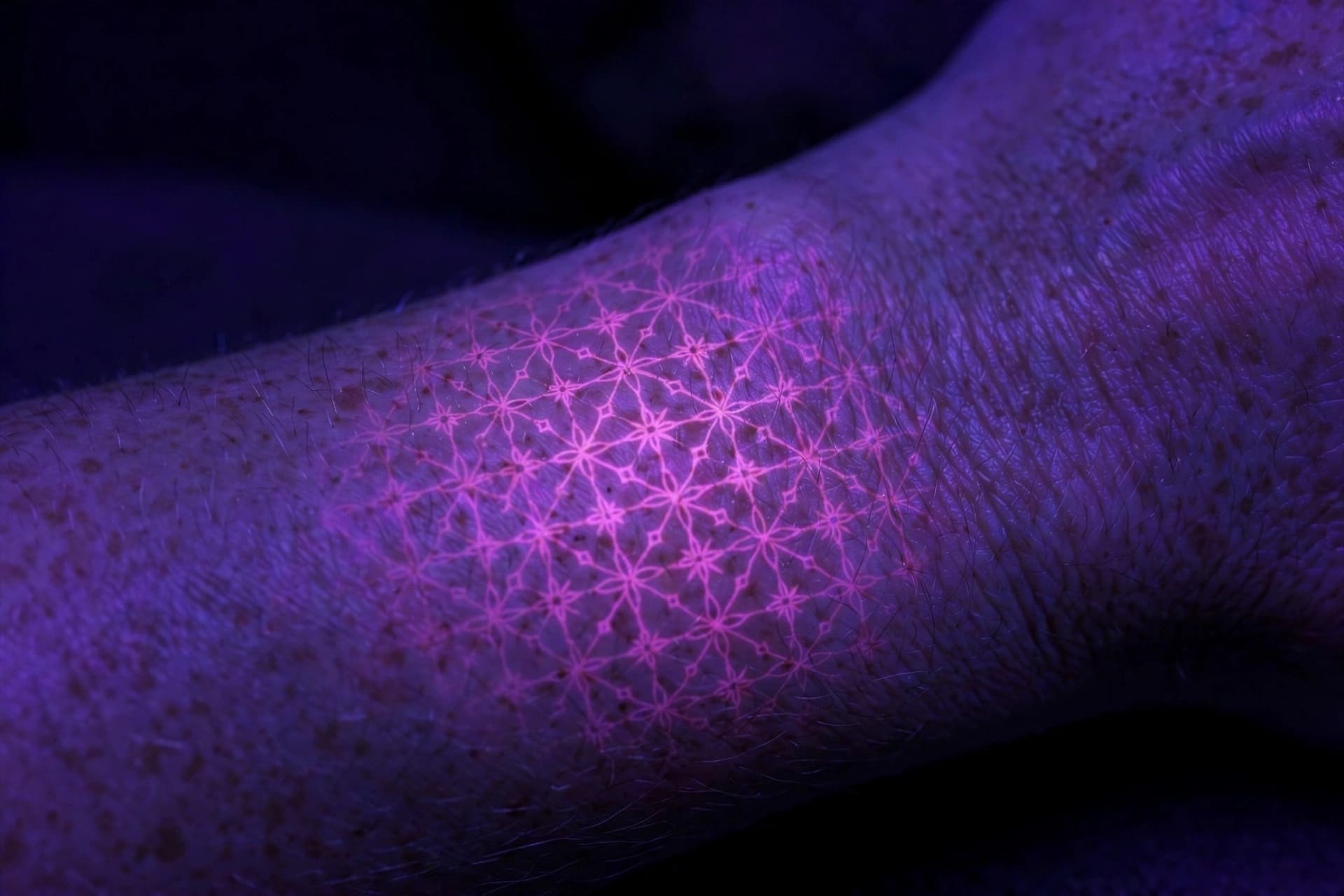
AI Image Disclaimer “Illustrations were produced with AI and serve as conceptual depictions.”
Sources (media names only, no links):
Phys.org Xinhua News Agency China Daily EurekAlert! Mirage News
Published by Banx Network. This article is part of the Banx decentralized media programme, powered by the BXE token on the XRP Ledger.