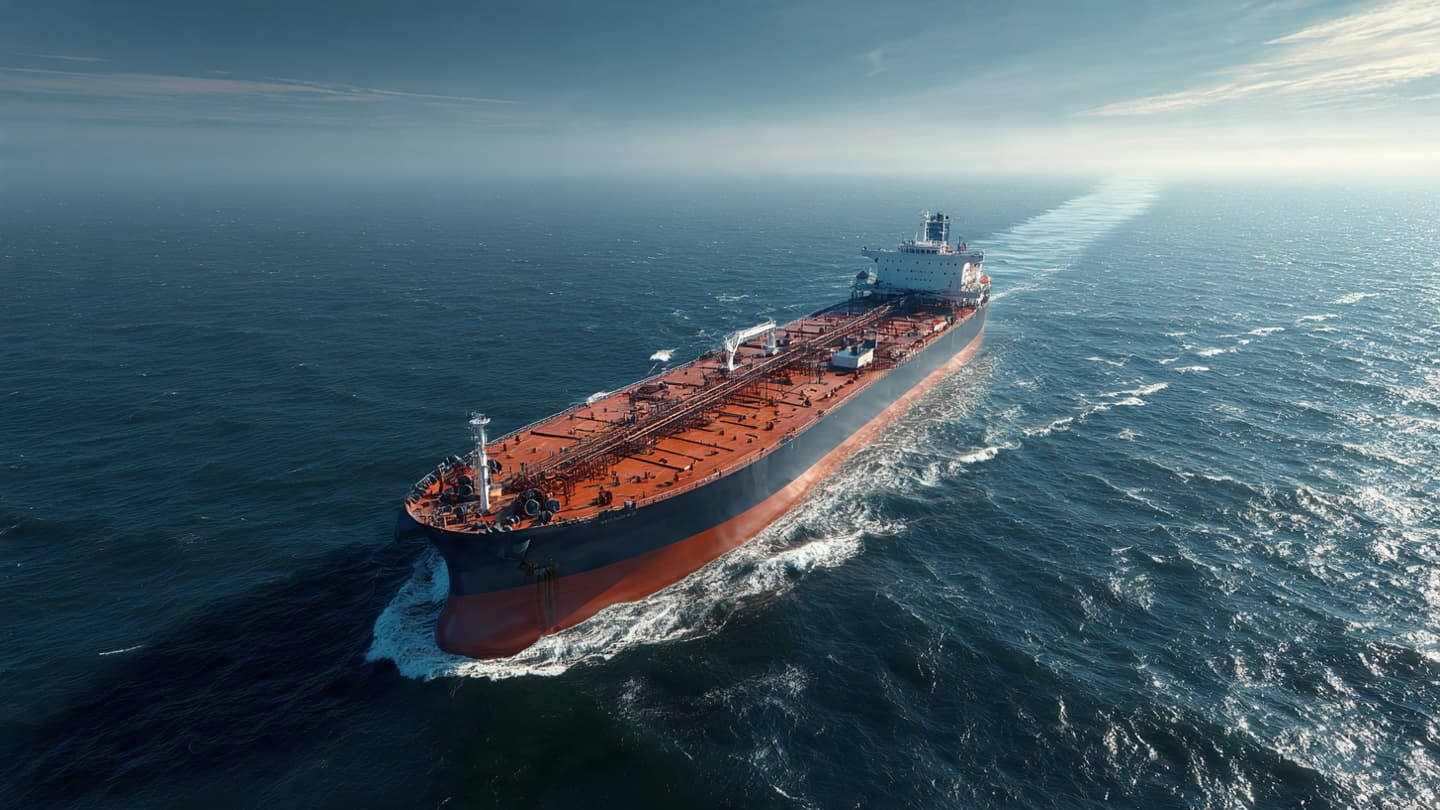
Some places on Earth carry importance far beyond their physical size. The Strait of Hormuz is one such passage, where a narrow stretch of water connects major energy producers with global markets.
Energy transportation depends heavily on reliable maritime routes. The movement of oil and other resources through strategic waterways supports industries, transportation systems, and economies across continents.
For businesses, stability in important shipping corridors remains a major consideration. Energy companies, manufacturers, and logistics providers all monitor conditions that may influence transportation costs and supply planning.
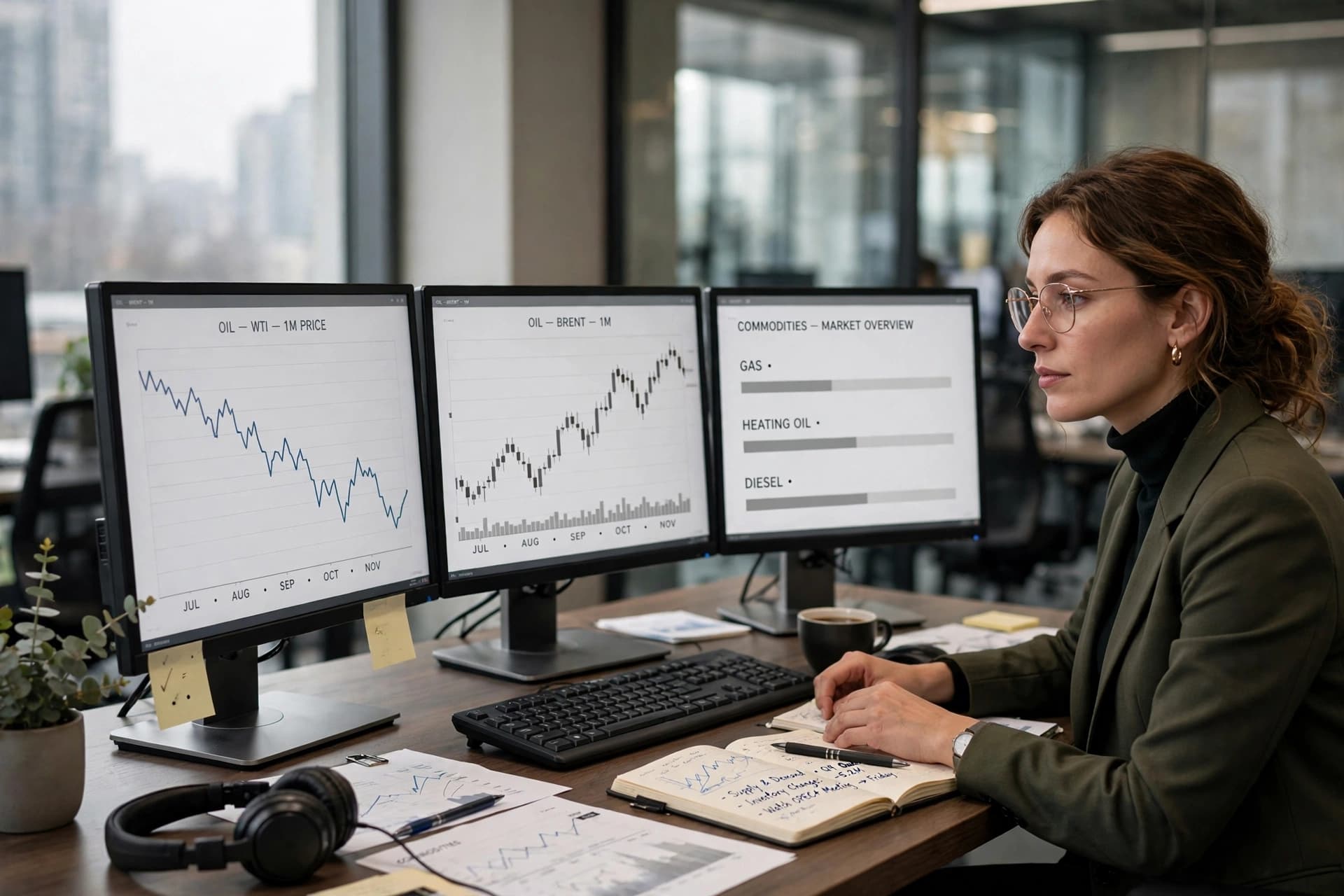
The global energy market is shaped by many factors, including demand, production levels, and transportation networks. Maritime security is one part of this larger system.
Changes in shipping conditions can affect market expectations. Even the possibility of disruption may influence how companies evaluate risks and prepare their business strategies.
The importance of the Strait of Hormuz demonstrates how connected the global economy has become. A development in one region can quickly become a concern for industries thousands of kilometers away.
Energy markets also reflect broader economic relationships. Producers, consumers, shipping companies, and financial institutions all depend on a stable flow of resources.
Companies continue exploring ways to strengthen resilience, including improving supply planning and developing flexible strategies for uncertain situations.
The future of energy trade will continue to depend on cooperation, technology, and effective management of global transportation networks.
The story of the Strait of Hormuz is ultimately a story about connection — how a single maritime passage can influence the rhythm of the global economy.
AI Image Disclaimer Illustrations were created using AI tools and represent conceptual visual interpretations, not actual photographs.
Sources Reuters International Energy Agency (IEA) Bloomberg CNBC Financial Times
Published by Banx Network. This article is part of the Banx decentralized media programme, powered by the BXE token on the XRP Ledger.