

Key Highlights
- Closure Announcement:The U.S. has decided to close a historic border road to Canadian traffic.
- Community Impact:Local residents express concerns over accessibility and economic implications.
- Policy Context:The decision reflects broader national security considerations.
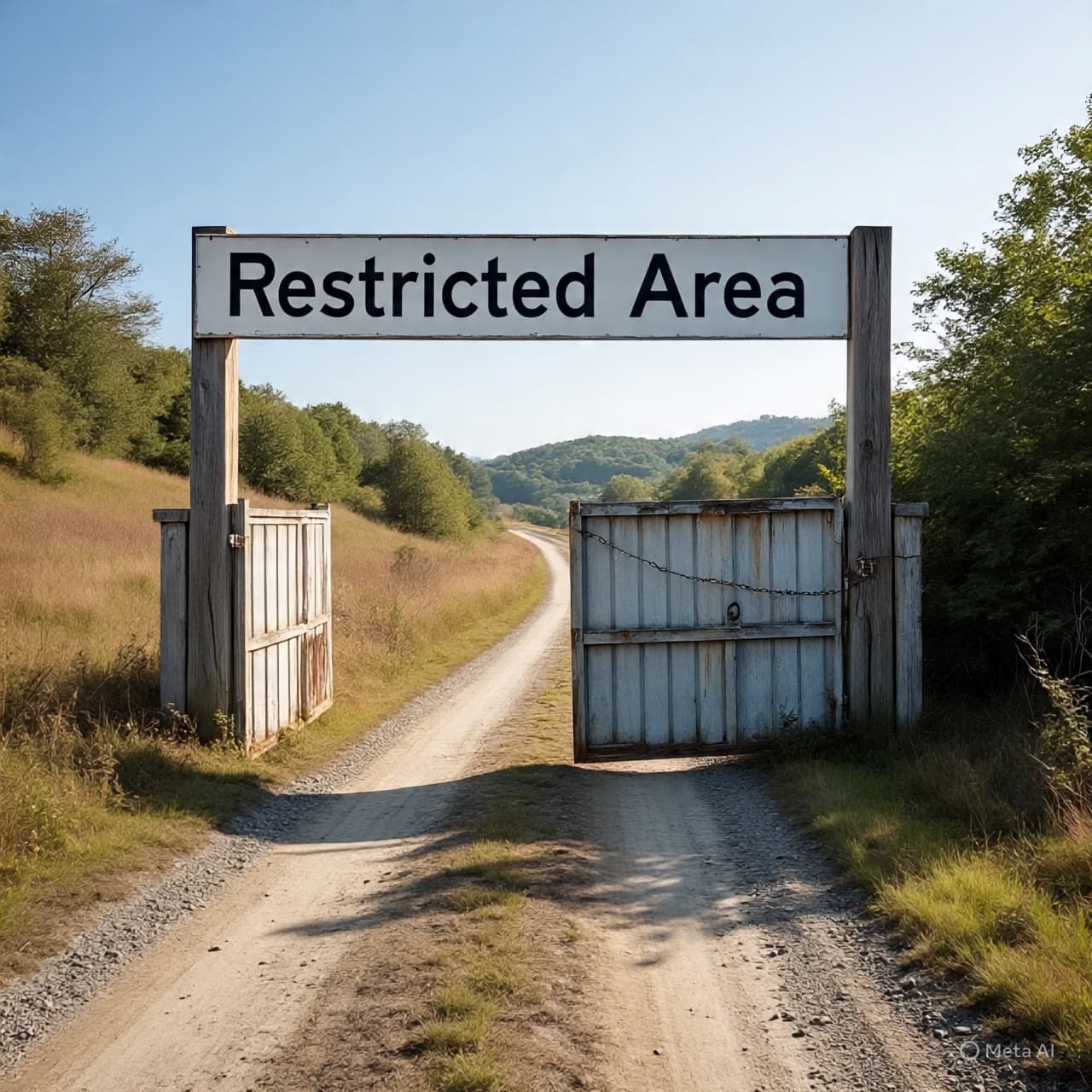
The recent announcement by U.S. officials to close a historic border road connecting Canada has ignited significant concern among local communities. This road, which has served as a vital link for residents on both sides, is more than just a route; it represents a lifeline for daily interactions and commerce. The closure, described by some as 'ridiculous,' is not merely an inconvenience but a disruption to established routines that have developed over years.
For many residents, this road has been a familiar path, facilitating easy access to neighboring communities and services. The decision to close it raises questions about the future of cross-border relations and the impact on local economies. Travel that was once straightforward may now require detours and additional documentation, complicating what was previously a seamless experience.
U.S. officials have cited border management and security as primary reasons for the closure. Such decisions often reflect a delicate balance between national priorities and the needs of local populations. While security is paramount, the implications for everyday life in border communities cannot be overlooked. The closure of this road serves as a stark reminder of the tension between administrative boundaries and the lived realities of those who navigate them daily.
Residents have voiced their concerns regarding accessibility and the economic ramifications of the closure. Small border crossings like this one foster a sense of community, where neighbors interact and local businesses thrive. The road has historically supported a steady flow of commerce and social interaction, making its closure feel like a significant loss.
Moreover, the symbolic weight of infrastructure cannot be underestimated. Roads are not just physical pathways; they embody openness and connection. The closure of this particular road sends a message about how movement is regulated and who benefits from such policies. It highlights the often-overlooked human dimension of border management, where decisions made at a national level can have profound local consequences.
As the situation unfolds, it is essential to consider the broader context of border policies, which are continually shaped by changing security concerns, migration patterns, and administrative capacities. While the closure may seem localized, it is part of a larger narrative about how borders are managed in an increasingly complex world.
In conclusion, the closure of this historic border road to Canadian traffic is a policy decision that reflects broader national considerations while significantly impacting local communities. As residents grapple with the changes, the situation underscores the ongoing struggle to balance national security with the need for cross-border connections that enrich lives on both sides of the border.
Published by Banx Network. This article is part of the Banx decentralized media programme, powered by the BXE token on the XRP Ledger.




