
Key Highlights
- Iran's industries are embracing technological advancements to enhance productivity.
- Automation and digital tools are reshaping manufacturing processes.
- The transition requires investment in skills and continuous learning.
[The Evolution of Iran's Industrial Landscape]
Across industrial landscapes, technology has emerged as a transformative force, reshaping how nations produce, create, and compete. In Iran, industries are undergoing significant changes as companies explore innovative methods and modern systems to enhance their operational efficiency. This evolution is not just a local phenomenon; it reflects a global trend towards smarter, more automated industries.
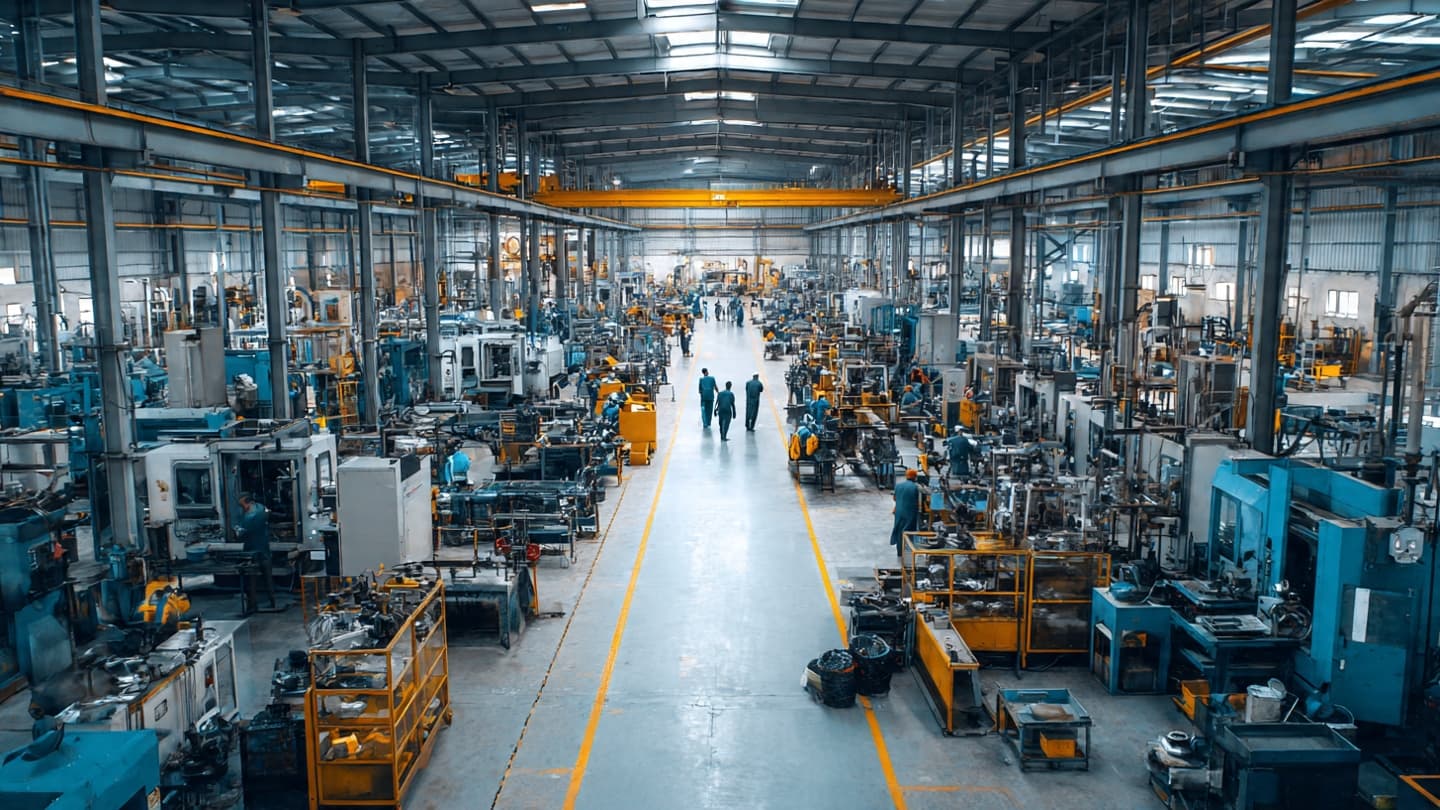
Manufacturing remains a cornerstone of Iran's economic activity. From machinery to advanced production processes, Iranian industries are adapting to technological changes that promise to improve their competitiveness on the world stage. The integration of automation, digital tools, and engineering innovations is influencing how factories operate, allowing for greater efficiency and reduced costs.
[The Role of Researchers and Engineers]
Researchers and engineers are pivotal in this industrial transition. Their work bridges the gap between scientific knowledge and practical industrial applications, ensuring that advancements in technology are effectively implemented in manufacturing processes. This collaboration is essential for fostering innovation and driving the development of new products and services that meet the demands of a rapidly changing market.
Moreover, the development of technology creates opportunities for improving efficiency and productivity across various sectors. Businesses in Iran are increasingly examining how innovation can support long-term growth and sustainability. This focus on technological advancement is crucial, especially in a global economy where competition is fierce and the pace of change is rapid.
[Investment in Skills and Continuous Learning]
The transformation of Iran's industrial sector requires significant investment in skills and continuous learning. As machines become more advanced, the need for a skilled workforce capable of operating and maintaining these technologies becomes paramount. Educational institutions and training programs are essential in equipping the workforce with the necessary skills to thrive in this new industrial landscape.
Countries around the world are facing similar challenges in adapting to new industrial technologies. Iran's industrial journey reflects a broader narrative of modernization, where traditional production methods meet emerging technological possibilities. This process is gradual, shaped by ongoing research, creativity, and changing economic conditions.
[Looking Ahead]
As technology continues to advance, Iranian industries are actively searching for ways to connect innovation with future development. The path forward is not without its challenges, but the commitment to embracing technological change is evident. By investing in research and development, fostering a culture of innovation, and prioritizing education and training, Iran can position itself as a competitive player in the global industrial arena.
Published by Banx Network. This article is part of the Banx decentralized media programme, powered by the BXE token on the XRP Ledger.



