
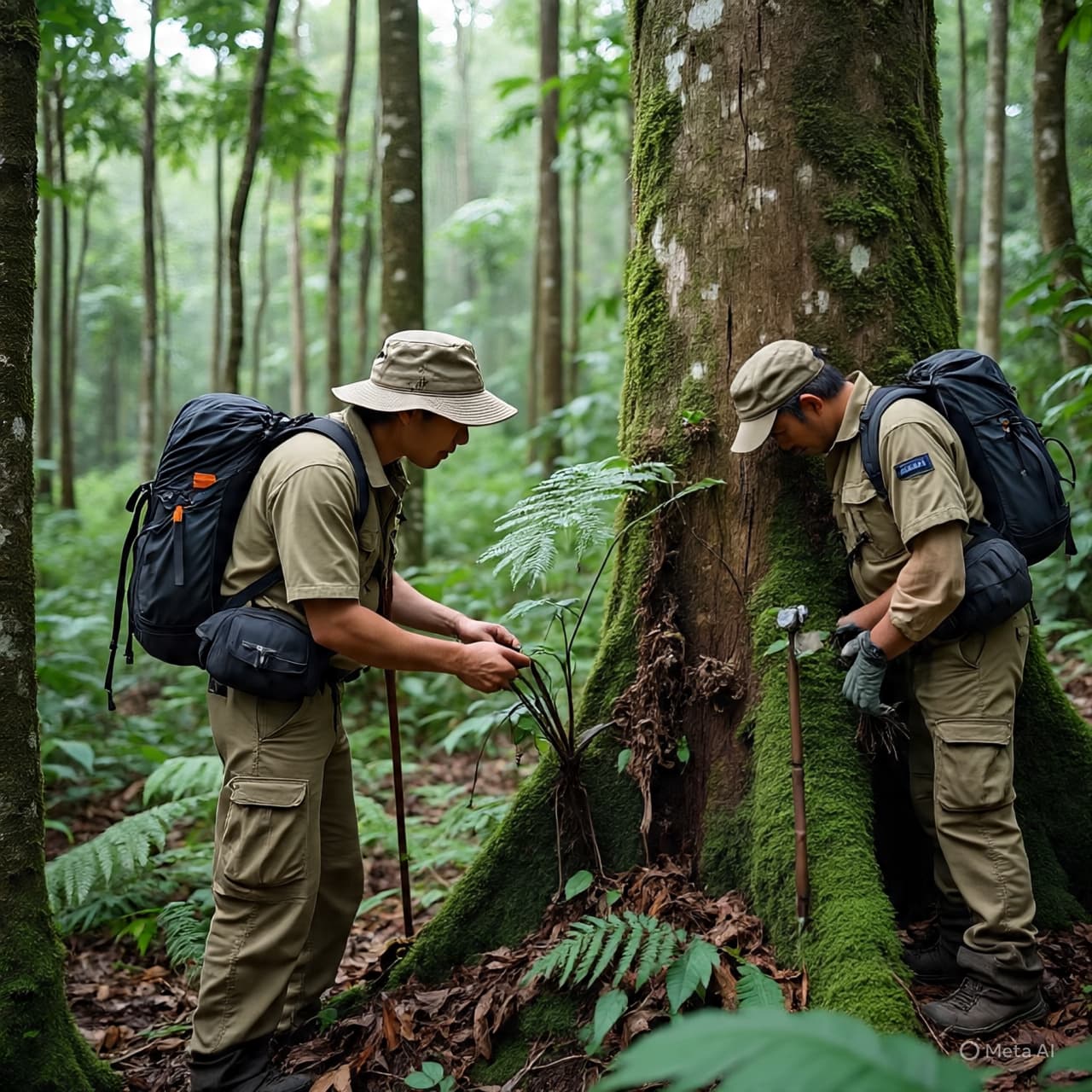
Key Highlights
- USAID funding cuts are reshaping global conservation efforts.
- Organizations are diversifying support and strengthening local ties.
- Innovative strategies are emerging to address funding gaps.
The landscape of global conservation is undergoing a significant transformation as the United States Agency for International Development (USAID) reduces its funding for international environmental projects. For decades, USAID has been a cornerstone of financial support for conservation initiatives, linking local efforts with broader governmental policies. However, recent shifts in U.S. policy priorities have left many organizations grappling with the implications of this funding decline.
The impact of reduced USAID funding is not merely a financial issue; it fundamentally alters the operational landscape for conservation groups. Projects that rely on consistent funding—such as reforestation efforts, biodiversity monitoring, and community-led conservation initiatives—are particularly vulnerable. Even minor interruptions in funding can disrupt years of progress, making it imperative for organizations to adapt quickly to the changing environment.
In response to these challenges, many conservation organizations are embracing a strategy of diversification. This includes seeking support from private philanthropies, regional governments, and multilateral institutions. By broadening their funding sources, these groups aim to create a more resilient financial foundation that can withstand the fluctuations of international aid. Additionally, some organizations are focusing on building stronger relationships with local communities, exploring models that integrate income generation with environmental protection.
The discourse surrounding this transition reflects a blend of realism and determination. Conservation leaders acknowledge the scale of the loss represented by the reduction of USAID support, yet they express a commitment to continue their vital work. This shift in perspective emphasizes the importance of local stewardship and regional capacity in conservation efforts, suggesting that the absence of a dominant funding source may ultimately foster greater ownership and accountability within communities.
Despite the potential for innovation, the challenges posed by funding gaps are immediate and tangible. Delays in fieldwork and difficult decisions regarding project continuations are becoming commonplace. For ecosystems already under threat from climate change, deforestation, and urban development, these delays can have dire consequences. The urgency of conservation work is underscored by the reality that time is not a neutral factor in these efforts.
Nevertheless, there are signs of cautious innovation within the conservation sector. Some organizations are exploring carbon markets as a means to align environmental protection with emerging financial mechanisms. Others are leveraging technology, such as satellite monitoring and data platforms, to maximize the impact of limited resources. These evolving partnerships are increasingly crossing traditional boundaries, blending environmental goals with economic and social priorities in ways that were previously less common.
As conservation organizations navigate this uncertain terrain, the path forward remains complex but not devoid of direction. The retreat of a major funder like USAID does not diminish the need for conservation; rather, it highlights the urgency of addressing environmental challenges. Forests continue to change, oceans warm, and communities strive to balance resource use with preservation. The framework for tackling these issues is shifting, emphasizing adaptability and resilience.
Ultimately, the narrative of conservation in the wake of reduced USAID funding is one of adaptation rather than absence. The space left by diminished financial support is being filled with new approaches, alliances, and a redefinition of what support entails. In the quiet corners where conservation efforts begin, the work continues—altered but not abandoned, driven by the understanding that there are still vital ecosystems and communities worth sustaining.
Published by Banx Network. This article is part of the Banx decentralized media programme, powered by the BXE token on the XRP Ledger.



