Reuters, citing a Financial Times report, said Germany’s Schwarz Group, the owner of Lidl, is among the potential bidders for Tesco’s Central European business. Dutch retailer Ahold Delhaize and Poland’s Biedronka were also reported to be interested.
The business includes 561 Tesco stores across Hungary, the Czech Republic and Slovakia. For Tesco, the possible sale would represent another step in a longer process of reducing its overseas footprint and placing greater emphasis on its core British market.
Tesco has already sold or exited most of its international operations since 2015. The company’s remaining Central European business has therefore become a distinct part of its international presence, even as the retailer concentrates increasingly on Britain.
The reported interest from multiple companies reflects the value of the network itself. A large store estate provides access to established locations, customers, employees and supply relationships that would otherwise take years for a retailer to build.
For potential buyers, however, such an acquisition would also bring its own questions. Retail markets differ between countries, and integrating stores, supply chains and employees across three national markets requires substantial planning.
The possible sale also comes during a period when European consumers are facing changing economic conditions. Food prices, household budgets and consumer confidence have remained important factors for retailers trying to protect sales while managing operating costs.
Tesco has continued to hold a leading position in the British grocery market, according to market research cited by Reuters. Its Central European operations, meanwhile, represent a different geographic and competitive environment.
The company is working with Goldman Sachs and Citi as advisers on the reported sale process. Reuters said Tesco and the potential bidders declined to comment, while Ahold Delhaize had not immediately responded to a request for comment.
That means the reported interest should not be treated as confirmation of a completed transaction. The eventual outcome would depend on negotiations, valuation, regulatory considerations and the decisions of the parties involved.
For the Central European markets themselves, a change in ownership could eventually alter how the stores are managed, supplied and positioned. Yet until a transaction is formally agreed, the everyday operations of the supermarkets remain part of Tesco’s existing network.
The story therefore sits at the intersection of two retail strategies: Tesco’s effort to focus more heavily on its home market and the expansion possibilities available to international grocery groups.
Should the business eventually change hands, the significance would extend beyond the name above the supermarket entrance. It would mark another stage in the reshaping of Europe’s grocery landscape, where established retailers continue to reconsider the geography of their operations and the markets they want to serve.
IMAGE DISCLAIMER
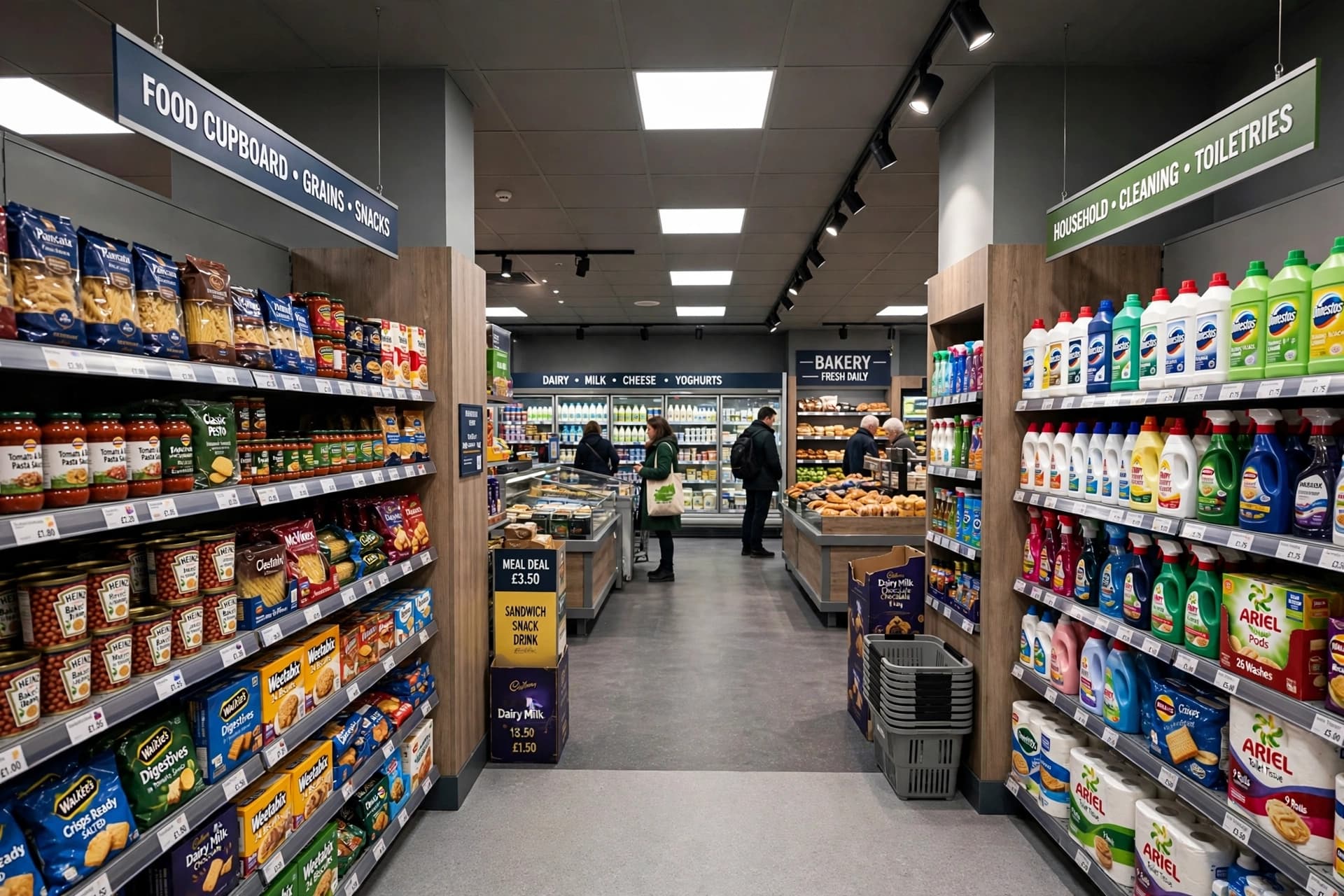
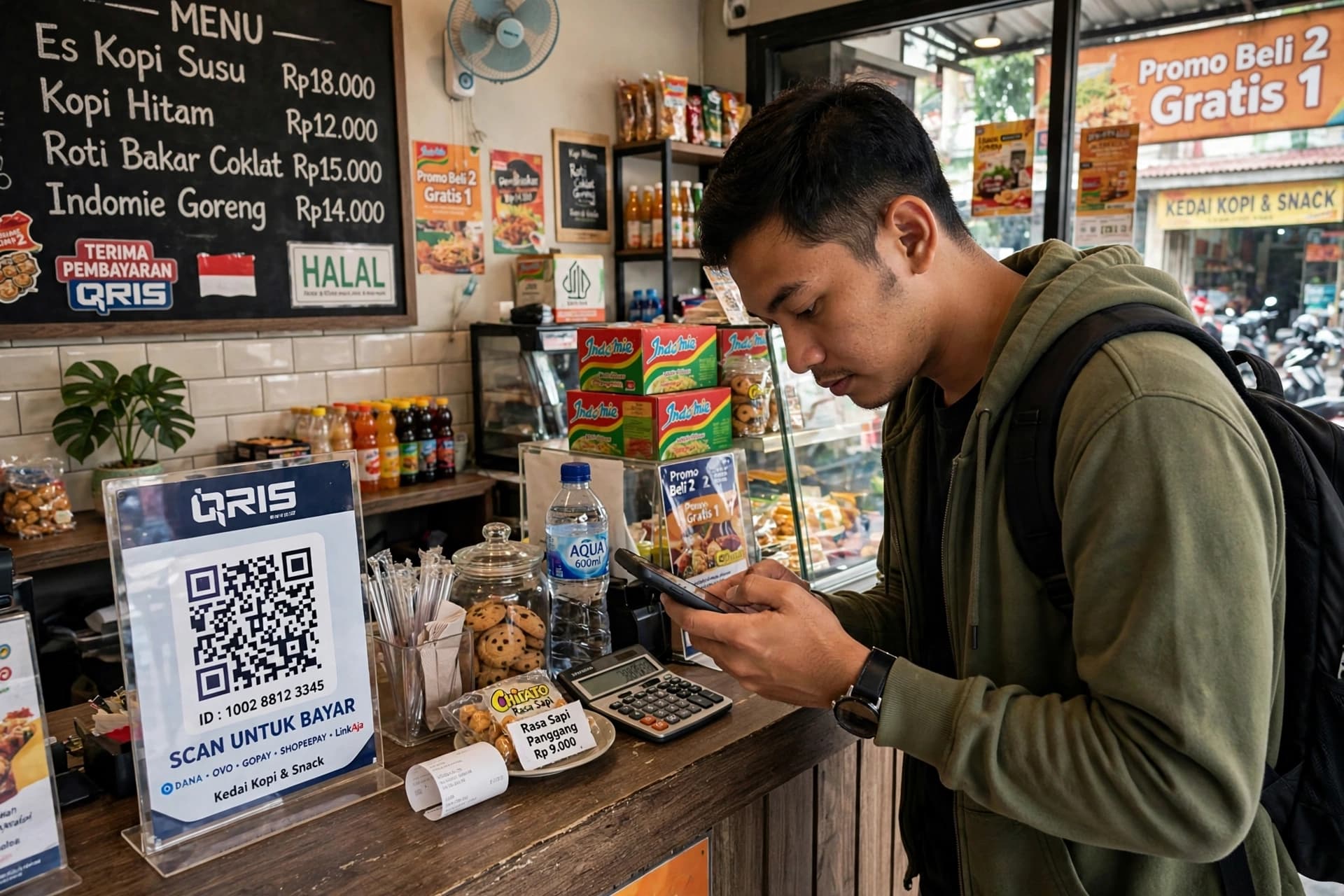
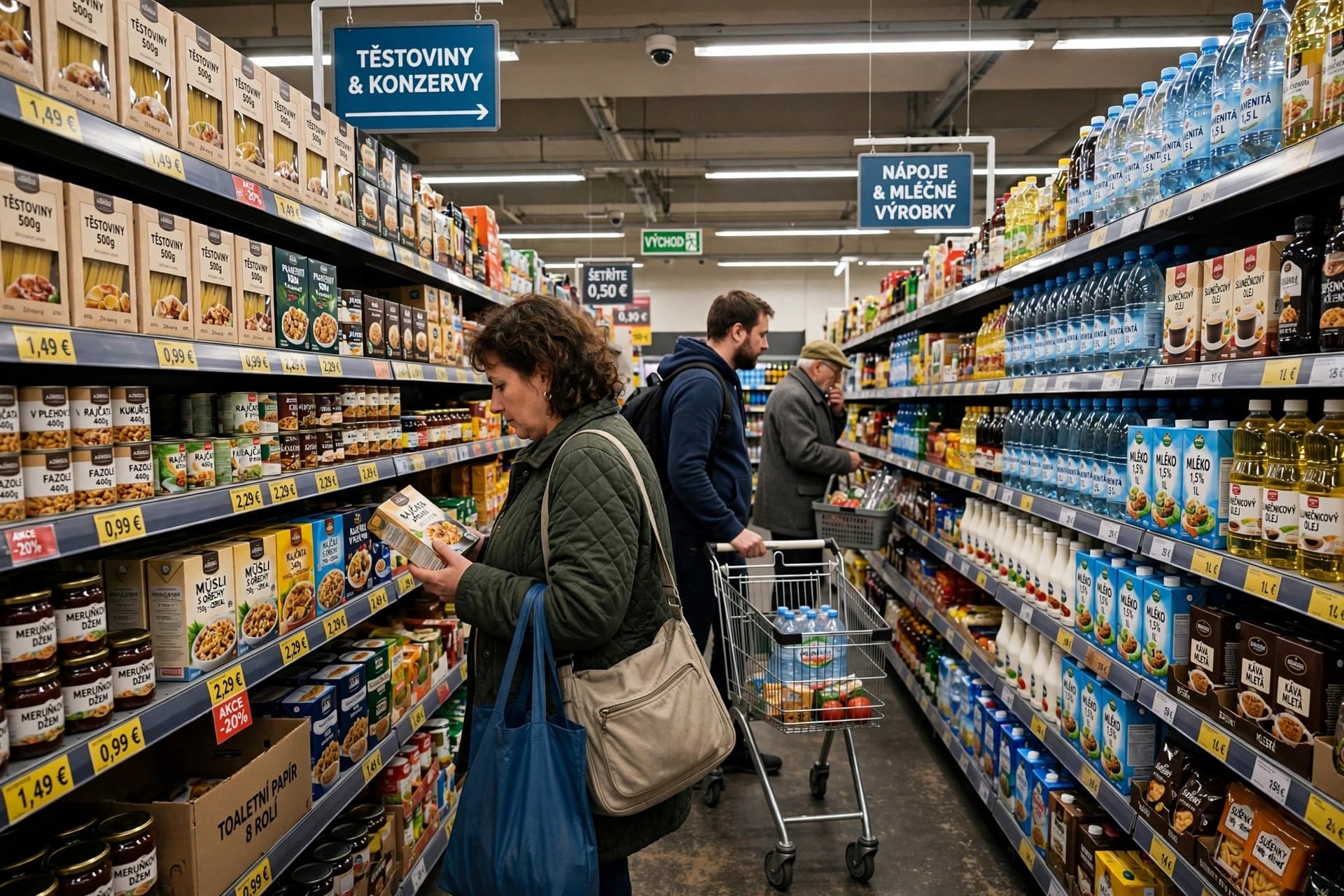
The illustrations are conceptual visualizations created for editorial presentation. They do not depict actual Tesco stores involved in a transaction or specific potential buyers.
SOURCES
Reuters — “Lidl-owner among bidders for Tesco’s Central European business, FT reports,” September 23, 2026.
Financial Times — Reporting on potential bidders for Tesco’s Central European business, September 2026.
Worldpanel by Numerator — UK grocery market data cited by Reuters.
Published by Banx Network. This article is part of the Banx decentralized media programme, powered by the BXE token on the XRP Ledger.