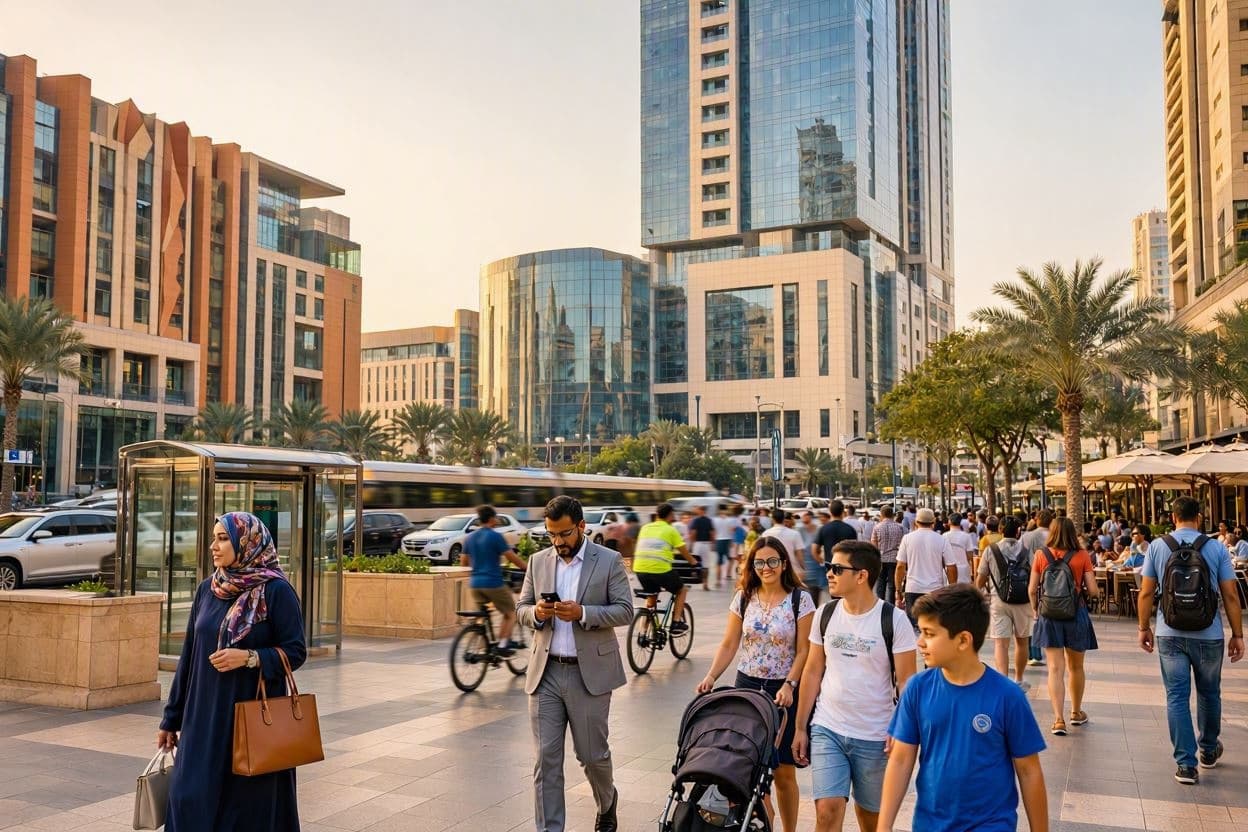
The late afternoon sun traces long shadows across city sidewalks and suburban lawns, and in that gentle shift from light to dusk there is a quiet sense of the world as it settles — not back into what it once was, but into something quietly transformed. Here and there, laughter drifts from cafes and children scatter along sidewalks in play, yet in the folds of these familiar scenes are traces of absence, small and unheralded, as though the very air remembers things we no longer do.
There was a time not so long ago when ordinary rituals — the rush of office commutes, spontaneous greetings with strangers, the bustle of theaters and night markets — felt like the warp and weft of everyday life. Then came a breaking point, a collective pause that stretched across months and continents. Lockdowns and restrictions reshaped how we moved, how we worked, how we gathered, and in that enforced stillness we discovered both fragility and adaptability in the fabric of daily existence. The years that followed have stitched a new pattern into that fabric: some threads returning with time’s gentle hand, others fading into memory with surprising swiftness.
In the early days of the pandemic, store shelves emptied of hand sanitizer and dish soap became a shared symbol of uncertainty, their absence felt deeply in the small, practical rhythms of life. Though supply has since rebounded and those items line aisles again, their scarcity during that moment now feels like a reminder of how quickly the familiar can slip from our grasp. Other shortages — of beans and other staples that seemed trivial yet symbolic at the time — receded with the passing of acute crisis, leaving behind only the faint echo of that anxious era.
And then there were the quieter impulses that dissolved without notice: the ease of spontaneous conversations with neighbors, the casual chitchat that once embroidered everyday errands, and — for some — the simple comfort of bustling cafes and vibrant downtown streets after dusk. In many places, the rhythms of nightlife and late‑night shopping have not fully regained their former beat, leaving a stillness that feels both subtle and profound. Even urban centers, once brimming deep into the night, can seem strangely subdued in the early evening light.
Some changes are less about what has vanished and more about what has shifted into new forms. Remote work — once a sudden necessity — has settled into a persistent presence in the professional lives of many, a testament to how deeply the pandemic rewrote the script of labor and location. Even as offices reopen, hybrid schedules and home workspaces endure, reminding us that some departures from the past have become a part of a new normal.
Schools too, once shuttered and silent, reopened with a sense of cautious optimism that belied the lingering influence of those early closures. The echoes of disrupted learning and altered routines still appear in classrooms and hallways, not as stark shadows but as part of an unfolding story of adaptation and return.
In these gentle turns of habit and memory there is no single narrative of loss, nor a neat tally of vanished customs. Rather there is a constellation of small absences — the unspoken nod in place of a shared conversation, the automatic sanitizing of hands before a handshake, the quiet persistence of habits born in isolation — that together shape the lived experience of a world moved by an event that reached into every corner of life.
In a straight news sense, as the acute phase of the COVID‑19 pandemic has receded, many aspects of everyday life have evolved or dissipated. Common pandemic shortages of items such as hand sanitizer and household goods have eased, while remote work arrangements remain more widespread than before the pandemic. Social behaviors and patterns of urban activity have changed, with some spontaneous social interactions and nightlife activities not fully returning to pre‑pandemic levels. Schools and workplaces have adapted to hybrid models, reflecting lasting impacts from the pandemic era.
AI Image Disclaimer
Visuals are AI‑generated and serve as conceptual representations.
Sources (Media Names Only)
Cheapism Pew Research Center City Journal Chalkbeat
Published by Banx Network. This article is part of the Banx decentralized media programme, powered by the BXE token on the XRP Ledger.