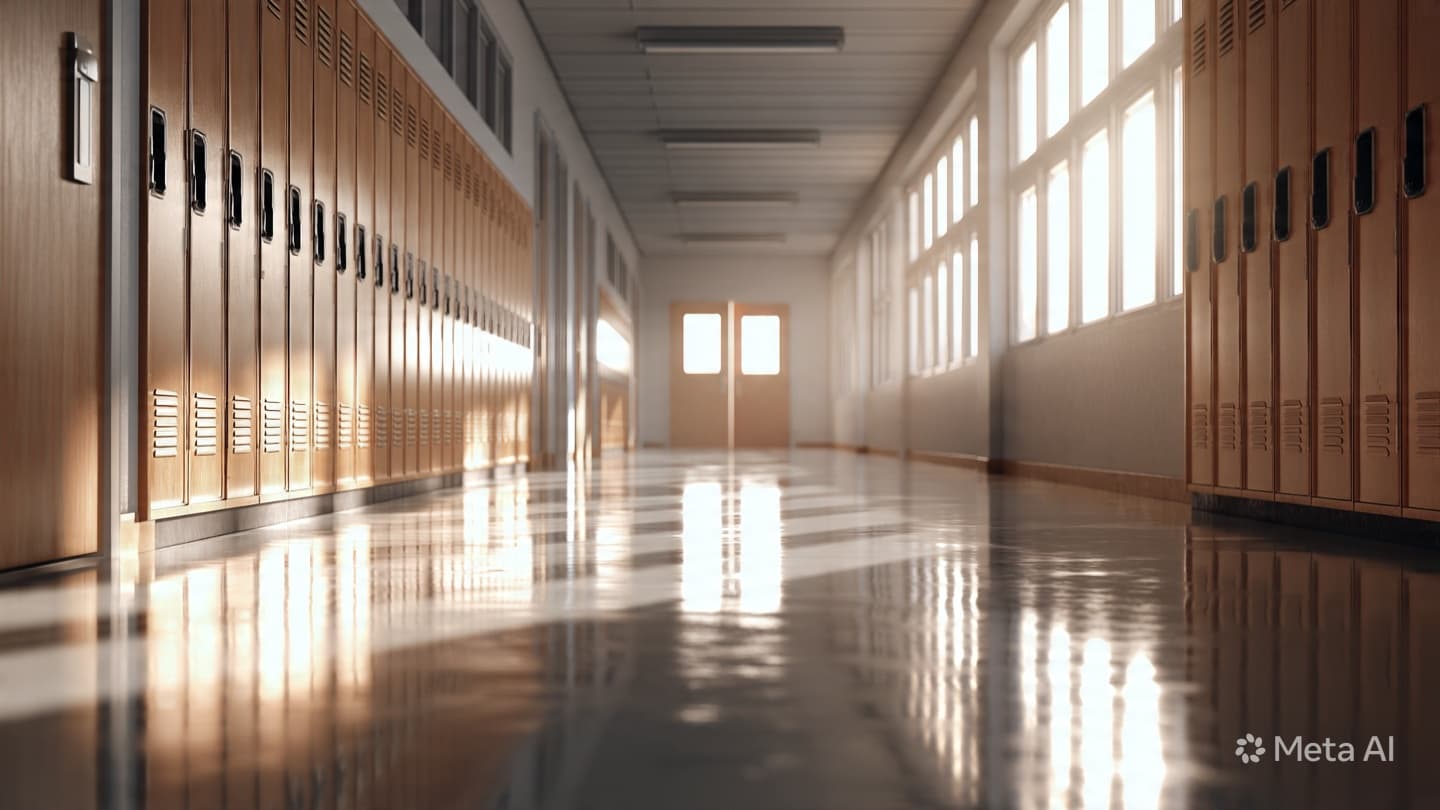
The school environment is often viewed as a sanctuary, a place where the rhythm of the day is dictated by the ringing of bells and the pursuit of knowledge. It is a space where the innocence of youth is supposed to be nurtured, protected from the harsher realities of the adult world. Yet, schools are also microcosms of society, housing the complex emotions, rivalries, and pressures that define the adolescent experience. When these forces collide, the impact can be both sudden and deeply unsettling.
There is a fragility to the peace that usually permeates these corridors. It is an equilibrium maintained by routine, supervision, and the unspoken social contracts that students navigate daily. When that balance is broken, the disruption is magnified by the expectation of safety that defines the institution. The recent incident involving a 14-year-old student highlights the stark reality that no setting is immune to the reach of human conflict.
Witnessing or hearing of such violence leaves a lasting impression on a community. It challenges the collective belief that the classroom is a place entirely removed from the volatility found outside its gates. For those involved, the transition from a typical school day to a medical emergency is a jarring experience, one that shifts the focus immediately from academic pursuits to the urgent, precarious nature of physical well-being.
As the details of the fight in Central Trinidad emerge, there is a collective pause. Communities often respond with a mix of shock and soul-searching, questioning how a situation could escalate so rapidly. The focus moves to the immediate needs of the student, whose condition remains the primary concern, while simultaneously looking toward the broader environment to understand what factors contributed to such a severe outcome.
The role of educators and administrators in these moments becomes one of stabilization. They are tasked not only with the management of the immediate aftermath but also with providing a sense of security to the rest of the student body. This requires a delicate approach, balancing the need for transparency with the necessity of maintaining an environment where learning can eventually resume. It is a difficult path, one that requires both empathy and firm leadership.
Social dynamics among teenagers are inherently fluid, often marked by the intense emotions of growth and discovery. However, when these dynamics manifest as physical altercations, they demand a deeper examination of the support systems available. The question arises of how these institutions can better identify the early signs of tension and foster a culture of mediation rather than confrontation. It is a challenge that many schools face in the modern era.
The involvement of local law enforcement in the aftermath underscores the severity of the situation. It moves the event from the internal domain of the school to the broader public sphere, where legal and procedural frameworks take precedence. The investigation will undoubtedly look at the circumstances surrounding the fight, including the role of digital documentation, which often plays a significant part in the modern narrative of youth conflict.
Parents and community members are now engaged in a dialogue about what can be done to safeguard these spaces. It is a conversation that often lacks simple answers, as it involves addressing the complex interplay of individual behaviors and institutional responsibilities. The goal is to return to a state of normalcy where the primary focus is education, yet the memory of the event serves as a call for renewed vigilance.
As the student continues to receive medical attention, the community holds onto a sense of collective concern. The recovery process will be a long one, and the impact of the event will likely ripple through the school for some time to come. It is a reminder that the safety of our youth is a shared responsibility, one that requires the ongoing commitment of all those who populate these environments.
A 14-year-old student is currently undergoing intensive care following a brutal physical altercation that occurred on school grounds in Central Trinidad. The incident was captured on video and has since been the subject of local inquiry. School officials and law enforcement are currently investigating the circumstances of the fight. The student’s family has requested privacy during this time, and the administration has committed to cooperating fully with the ongoing investigation.
Published by Banx Network. This article is part of the Banx decentralized media programme, powered by the BXE token on the XRP Ledger.