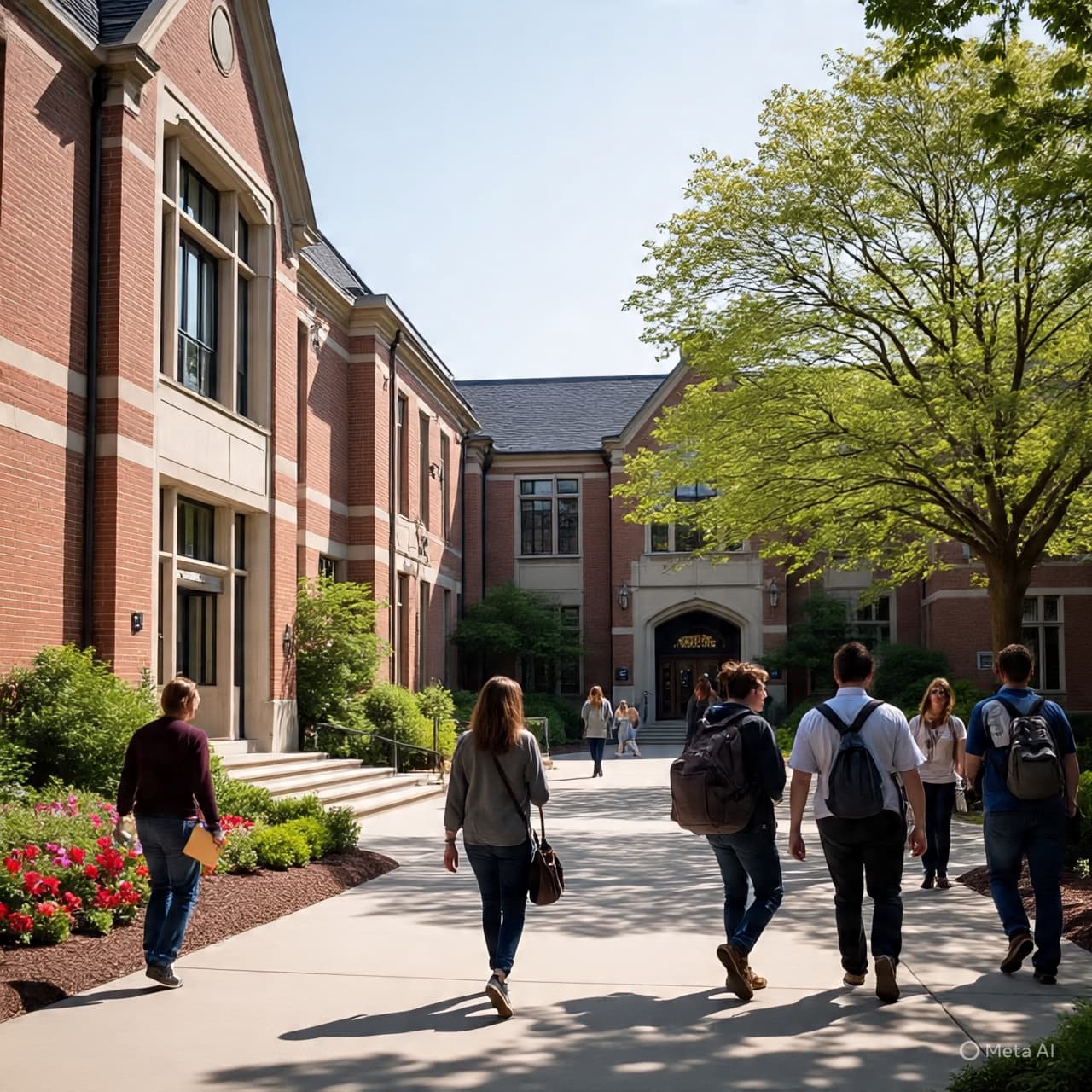
There is a particular cadence to the turning of seasons on a university campus, where the rustle of pages and the stride of students between classes form a rhythm of becoming and becoming again. In these corridors of possibility, choices are made that ripple outward — shaping not only the individual before a lecture hall, but the broader patterns of labour and living that define whole communities. As the calendar edges toward 2026, that sense of motion is tempered with a quiet question: which paths of study open not just doors, but landscapes of opportunity in a shifting job market?
In recent years, the jobscape of the United States has been marked by both promise and constraint. Employers, surveying a tighter hiring environment, have signalled that certain academic preparations seem to carry a premium — degrees that speak to analytical rigor, technical fluency, and systems awareness. At the top of many lists are fields rooted in quantitative and technological domains: finance and mechanical engineering emerge alongside computer science, while accounting and business administration continue to anchor the core of corporate and organizational life. These trends suggest that when markets contract, the demand for skills that articulate structure, prediction, and oversight becomes more pronounced. Employers, in effect, fish with precision rather than casting wide nets, seeking graduates whose credentials signal readiness for the complex problems of modern enterprise.
Yet the horizon of opportunity extends beyond numbers and spreadsheets. Educational programs tied to healthcare — notably nursing and healthcare administration — are also experiencing robust attention. As populations age and systems of care expand, professionals who can navigate the delicate balance between clinical knowledge and organizational leadership are increasingly valued. In the language of employment projections, these degrees are accompanied by steady job growth and median salaries that underscore both human need and economic resilience.
Alongside these enduring pillars of study, the digital economy continues to shape aspirations and expectations. Majors in information technology, cybersecurity, and data science sit at the heart of a labor market that prizes security, innovation, and insight. In an era defined by cloud platforms, machine learning, and the ceaseless flow of data, graduates equipped to steward systems and foretell patterns find themselves in fields that reward both technical mastery and adaptability. Here, too, the stories of job seekers and analysts converge — every data point a hint of demand, every algorithm a trace of future work.
It is worth noting, however, that these considerations unfold against a broader backdrop in which the value of education itself is under reflection. Federal labor statistics point to shifts in employment patterns, where for the first time in decades, holders of occupational associate degrees — especially in skilled trades — rival or even surpass traditional bachelor’s degree holders in employment prospects, at least for a period. This suggests that the relationship between formal degrees and opportunity is not static but responsive to the ebbs and flows of industry, innovation, and economic necessity.
And so, as students and families weigh the contours of 2026, they do so with a sense that education is both a compass and a canvas. It points toward sectors where demand is measurable, but it also holds space for deeper questions: about passion and purpose, about the ways in which learning shapes character as much as career. In the quiet hours before a semester begins, when pathways stretch both toward certainty and the unknown, these choices are less about guarantees and more about graceful engagement with a world always in motion.
Looking ahead to 2026, employers in the U.S. are expected to prioritize graduates with degrees in finance, engineering, computer science, accounting, and business administration, reflecting demand for quantitative and organizational skills. Degrees in healthcare, including nursing and healthcare administration, and tech-oriented fields such as IT, cybersecurity, and data science also show strong prospects. Trends in labor statistics indicate shifts in employment outcomes, with certain skilled trade pathways gaining traction as well amid broader labor market changes.
AI Image Disclaimer
Illustrations were created using AI tools and serve as conceptual representations.
Sources (Media Names Only)
The Times of India Bachelors Degree Center Reuters LinkedIn Insights Investopedia
نُشر بواسطة Banx Network. هذا المقال جزء من برنامج الوسائط اللامركزية من Banx، مدعومًا برمز BXE على شبكة XRP Ledger.