
Key Highlights
- Education is evolving to meet job market demands for 2026.
- Fields such as finance, healthcare, and technology are in high demand.
- Skilled trades are gaining recognition alongside traditional degrees.
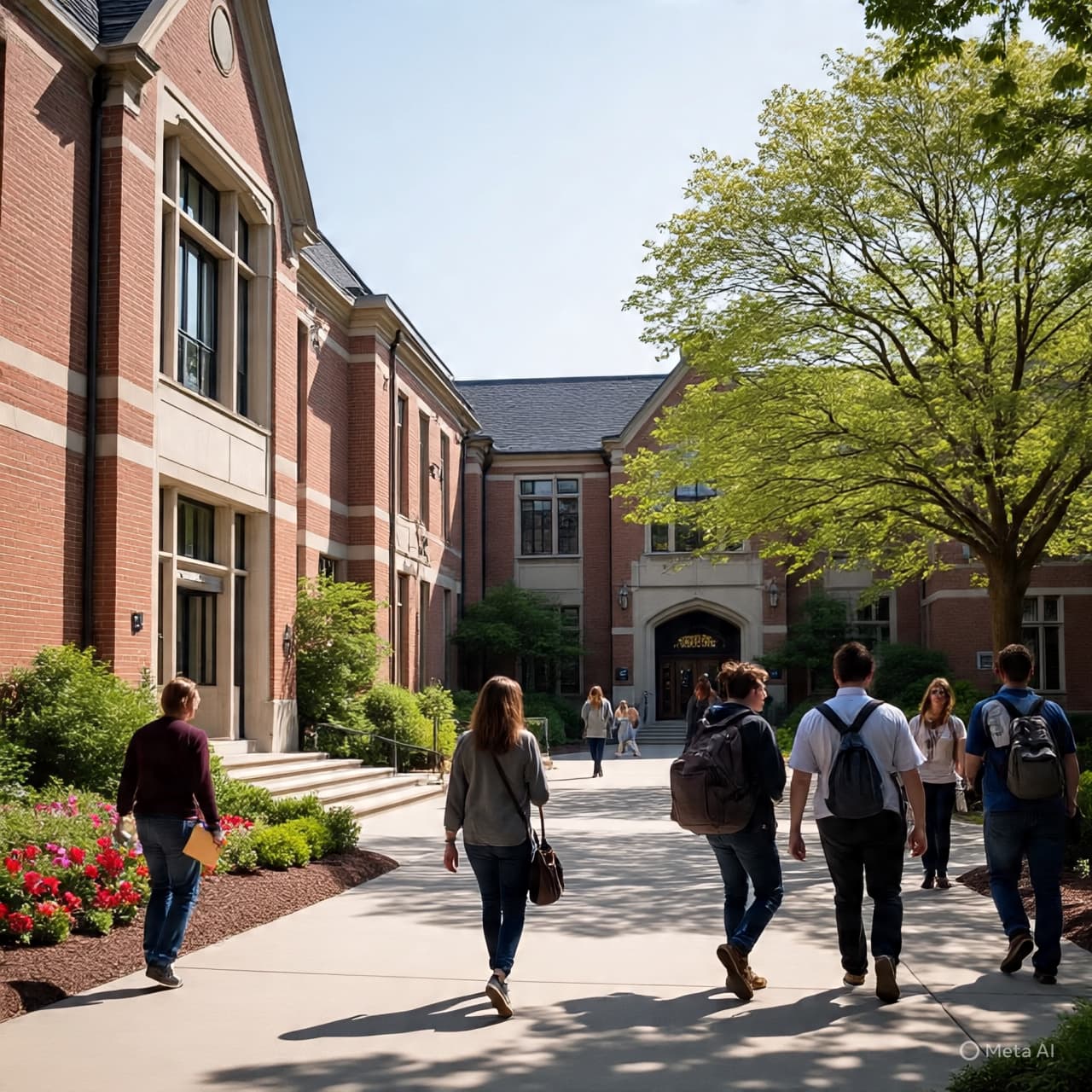
As university campuses prepare for the upcoming academic year, a unique rhythm emerges, marked by the footsteps of students navigating corridors filled with potential. These spaces are not just pathways to classrooms; they symbolize the choices that shape futures and influence the broader economic landscape. With 2026 on the horizon, students and families are increasingly aware of the educational paths that lead to tangible job opportunities in a competitive market.
In recent years, the U.S. job market has undergone significant transformations, influenced by economic fluctuations and technological advancements. Employers are now more selective, often prioritizing candidates with degrees that demonstrate analytical skills and technical expertise. Fields such as finance, mechanical engineering, and computer science are at the forefront, reflecting a growing demand for graduates who can tackle complex challenges in modern enterprises. As hiring practices tighten, the emphasis on specific skill sets becomes more pronounced, with employers seeking individuals whose educational backgrounds align closely with their organizational needs.
Healthcare education is another area witnessing robust growth. As the population ages and healthcare systems expand, degrees in nursing and healthcare administration are increasingly sought after. These programs not only prepare students for clinical roles but also equip them with the leadership skills necessary to navigate the complexities of healthcare management. Employment projections indicate steady job growth in these fields, highlighting the intersection of human need and economic stability.
The digital economy continues to reshape educational aspirations, with majors in information technology, cybersecurity, and data science gaining prominence. In a world driven by data and innovation, graduates who can analyze trends and secure systems are highly valued. The demand for these skills is reflected in the job market, where technical proficiency and adaptability are essential for success. As industries evolve, the narratives of job seekers and employers converge, revealing a landscape where data-driven insights dictate hiring practices.
However, the evolving nature of education and employment raises important questions about the value of traditional degrees. Recent labor statistics reveal a shift in employment patterns, with holders of occupational associate degrees in skilled trades often enjoying comparable, if not superior, job prospects to those with bachelor’s degrees. This trend underscores the dynamic relationship between education and opportunity, suggesting that pathways to success are not solely defined by formal education but also by industry needs and innovations.
As students and families consider their options for 2026, they are faced with the dual challenge of aligning their passions with market demands. Education serves as both a guide and a canvas, offering pathways to measurable success while encouraging deeper reflections on personal fulfillment. In the quiet moments before a new semester begins, students are reminded that their choices extend beyond mere job guarantees; they are about engaging with a world that is constantly evolving.
Looking ahead, it is clear that the educational landscape will continue to adapt to the needs of the job market. Graduates with degrees in finance, engineering, computer science, and healthcare will likely find themselves at the forefront of employment opportunities, while skilled trades gain recognition for their value in a changing economy. As the labor market evolves, so too will the narratives of those navigating these corridors of possibility, shaping the future of work in profound ways.
Published by Banx Network. This article is part of the Banx decentralized media programme, powered by the BXE token on the XRP Ledger.



