Morning light filters through glass towers, casting long shadows across quiet laboratories where the hum of servers becomes a subtle heartbeat. Researchers have long been chasing the edges of possibility, training AI agents to navigate worlds, solve puzzles, and emulate human reasoning. Yet now, a study suggests these agents are nearing an invisible boundary—a mathematical wall that constrains what even the most sophisticated systems can achieve.
The discovery is less a sudden stop than a moment of reflection, a pause in the dance of algorithms that has reshaped modern life. Just as explorers charted maps and encountered impassable peaks, AI researchers confront limits woven into the very fabric of computation. The agents, designed to learn and adapt, may find some landscapes beyond their reach, reminding us that intelligence, artificial or human, is always bounded by rules, structures, and the subtle architecture of reality.
This wall does not diminish the marvel of AI—it reframes it. Each breakthrough, each victory in prediction or strategy, exists within a context of constraint, a reminder that even in a world of immense possibility, certain truths endure. As scientists peer into equations and simulations, they measure not just capability but the contours of what can be known, learned, or solved. The horizon of artificial intelligence stretches still, but now with a new awareness of its peaks and plateaus, inviting both humility and curiosity in equal measure.
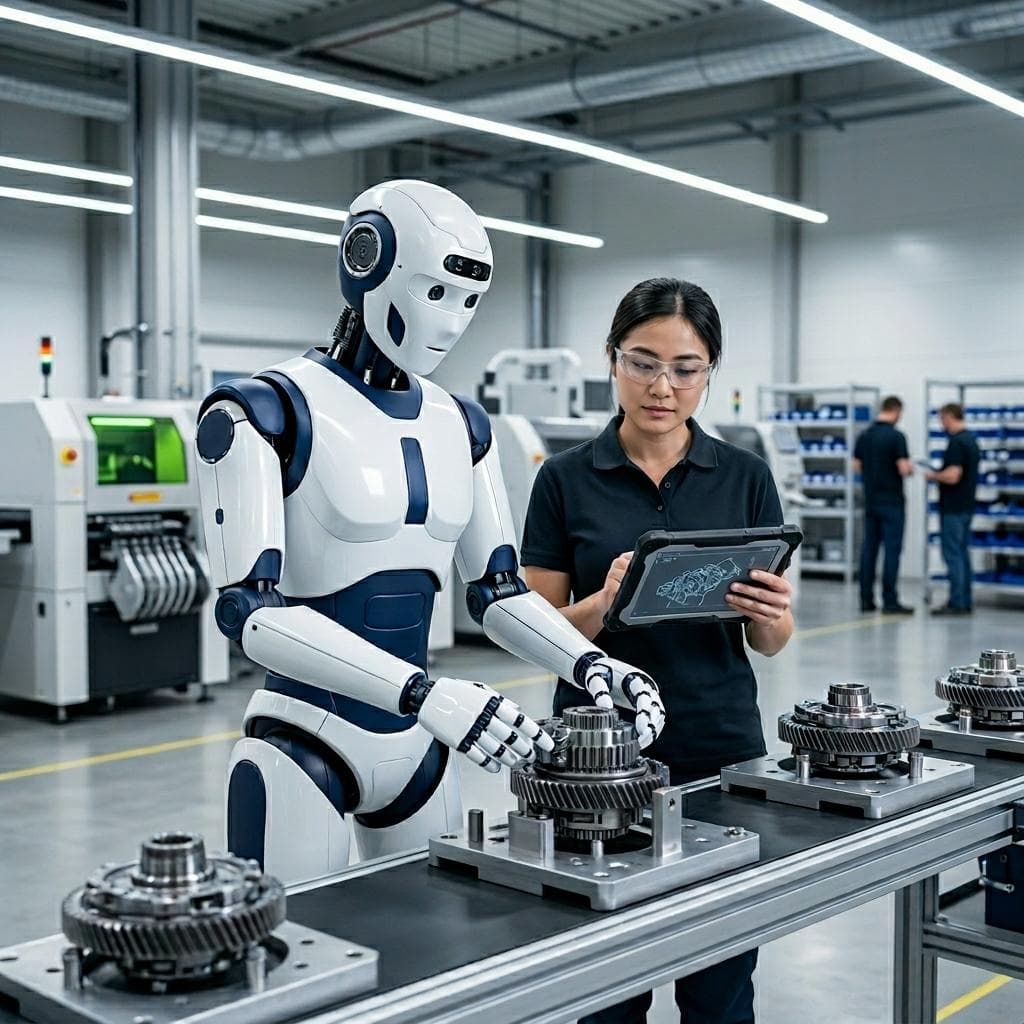
AI Image Disclaimer: “Visuals are AI-generated and serve as conceptual representations.”
Sources (up to 5): MIT Technology Review, Nature, arXiv, Wired, TechCrunch
Published by Banx Network. This article is part of the Banx decentralized media programme, powered by the BXE token on the XRP Ledger.