
Key Highlights
- Legal Dispute:Auckland Council spends over $100,000 on off-leash dog ban.
- Community Impact:The case raises questions about shared public space usage.
- Governance Challenge:Balancing freedom and regulation in urban environments.
In Auckland, a legal dispute over off-leash dog areas has sparked significant attention, not just for its implications for pet owners but also for the financial burden it places on the local government. The Auckland Council has confirmed that it has spent over $100,000 in legal proceedings related to this matter, highlighting the complexities involved in managing public spaces and the rules that govern them.
The core of the dispute revolves around how shared spaces should be utilized and who has the authority to set those limits. For dog owners, off-leash areas represent a vital opportunity for their pets to enjoy freedom and exercise. However, for others, these same spaces can evoke concerns about safety and the need for control. This tension between different user groups underscores the challenges faced by city planners and local authorities in creating inclusive environments.
As the legal proceedings unfold, the implications extend beyond the courtroom. The process of interpreting and enforcing regulations can often be slow and cumbersome, involving numerous hearings and submissions. Each step in this legal journey adds to the overall cost, both financially and in terms of community resources. The $100,000 figure is not merely a number; it reflects the time, effort, and public interest invested in resolving a matter that affects daily life in Auckland.
For the Auckland Council, this expenditure is framed as part of their governance responsibilities. They are tasked with maintaining public order, responding to community challenges, and ensuring that legal frameworks are upheld. However, for residents, the question arises: how should public funds be allocated, especially when the issue at hand pertains to everyday interactions in shared spaces?
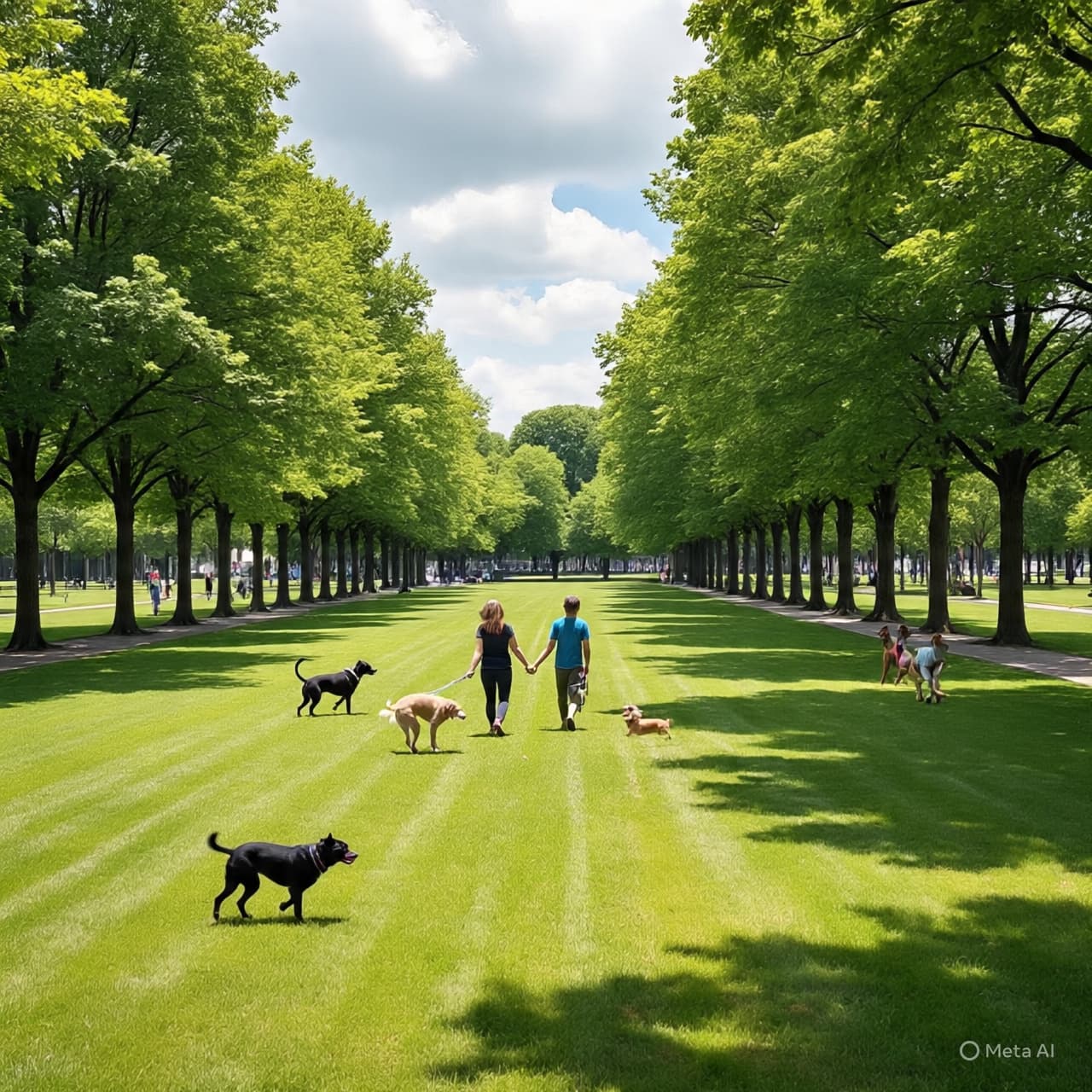
The parks and open areas in Auckland continue to serve their purpose, with grass growing and paths being walked by both people and dogs. Yet, the legal dispute looms in the background, influencing how these spaces are perceived and utilized. The outcomes of this case will ultimately shape the experience of these areas, determining the balance between freedom for pet owners and the need for regulation to ensure safety and order.
This dispute exemplifies the intersection of ordinary life and formal legal processes. It begins with the simple act of a dog running freely in a park and escalates into a legal examination of definitions and regulations. As the case progresses, it serves as a reminder of the complexities inherent in urban governance and the ongoing negotiation between individual freedoms and community standards.
As Auckland navigates this legal landscape, the focus remains on finding a balance that respects both the rights of dog owners and the concerns of the wider community. The financial implications of this dispute will likely resonate beyond the immediate legal context, prompting broader discussions about resource allocation and the management of public spaces in urban settings.
Published by Banx Network. This article is part of the Banx decentralized media programme, powered by the BXE token on the XRP Ledger.



