

Key Highlights
- Velvel Serebryanski was convicted of sexually abusing Manny Waks.
- Following the court's ruling, Serebryanski has been released without further custodial time.
- The case highlights the emotional complexities surrounding legal outcomes.
[Understanding the Aftermath of a Court Decision]
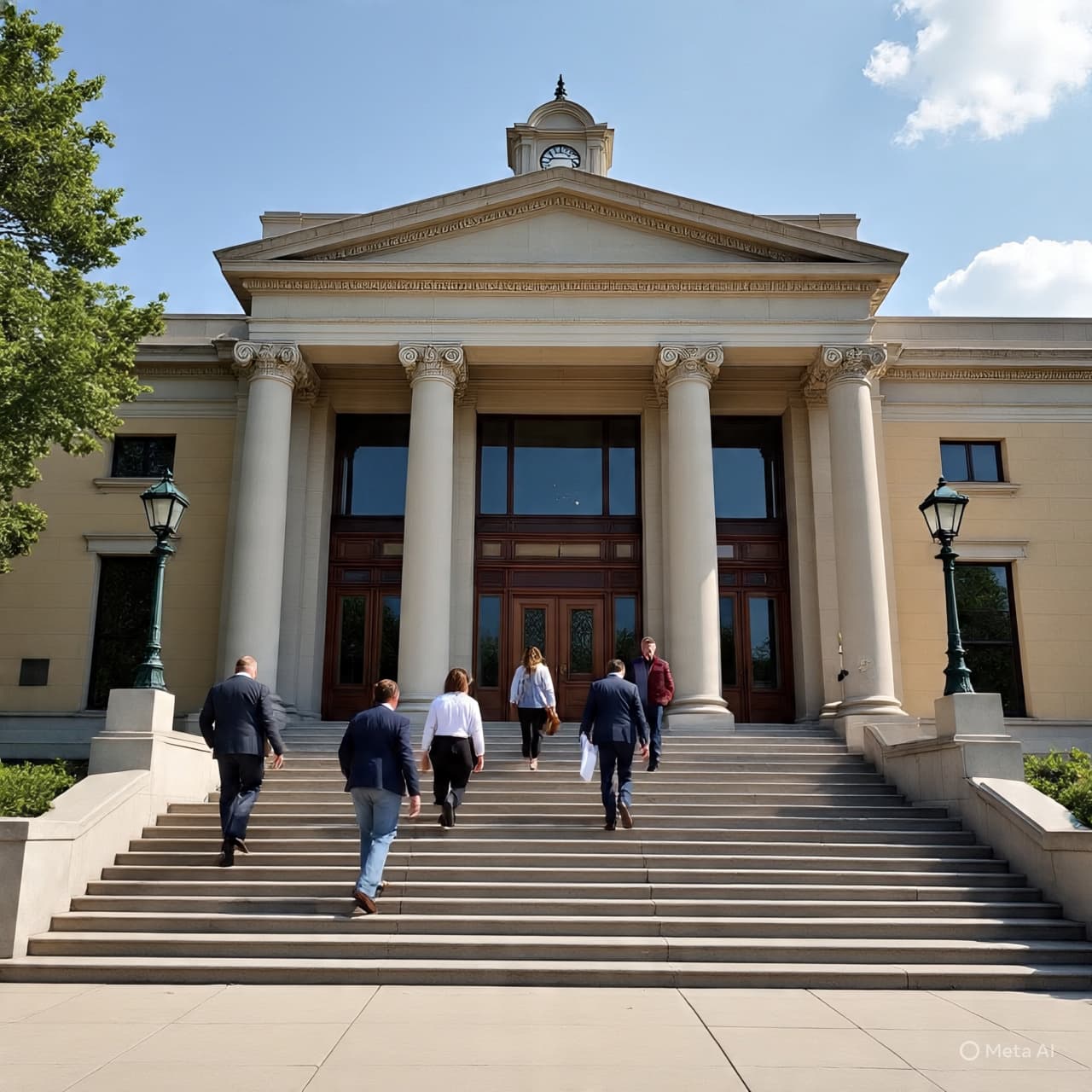
The corridors of justice often serve as a backdrop for significant life events, yet they can also feel like spaces of quiet transition. The recent case involving Velvel Serebryanski and Manny Waks exemplifies this phenomenon. After a legal process that culminated in a conviction for historical abuse, Serebryanski exited the courtroom without additional custodial time. This outcome, while legally definitive, opens a dialogue about the emotional and societal implications that linger beyond the courtroom.
For Manny Waks, a prominent advocate for abuse survivors, the verdict is layered with complexity. Advocacy often intertwines personal narratives with public engagement, aiming to raise awareness and foster understanding. However, the legal outcomes do not always align with the expectations or hopes of those involved. The gap between a court's judgment and personal resolution can be vast, leaving many to grapple with their feelings long after the gavel has fallen.
The court's decision reflects a structured legal framework that considers various factors, including the nature of the offense and the specifics of the case. Yet, these considerations can feel abstract when juxtaposed with the lived experiences of individuals affected by such events. The legal system, while providing a necessary structure, does not always account for the emotional weight carried by survivors and their advocates.
In moments like these, it becomes clear that legal closure does not equate to personal healing. A verdict, no matter how definitive, cannot encapsulate the full spectrum of experiences endured by those involved. Instead, it marks a point along a continuum that extends far beyond the courtroom, influencing the lives of those connected to the case.
Moreover, this case prompts broader reflections on societal engagement with issues of abuse and justice. Public awareness, media coverage, and legal outcomes all contribute to a collective understanding, yet each has its limitations. The act of reporting, akin to the act of judging, exists within boundaries that may not fully capture the depth of human experience.
Observers of the case may find themselves grappling with a range of responses—questions about justice, the legal process, and what it means for an outcome to feel complete. These varied reactions underscore the complexities surrounding such cases, reminding us that while the legal system offers structure, it does not always provide the resolution individuals seek.
As the legal chapter closes, it does so not with a sense of finality but with a recognition of the ongoing journey. The court's ruling has concluded, yet the broader narrative continues, carried forward by those who remain intertwined with it. In straightforward terms, Velvel Serebryanski, convicted of sexually abusing Manny Waks, has walked free from court, marking a significant moment in a complex story that extends beyond legal definitions.
Published by Banx Network. This article is part of the Banx decentralized media programme, powered by the BXE token on the XRP Ledger.




