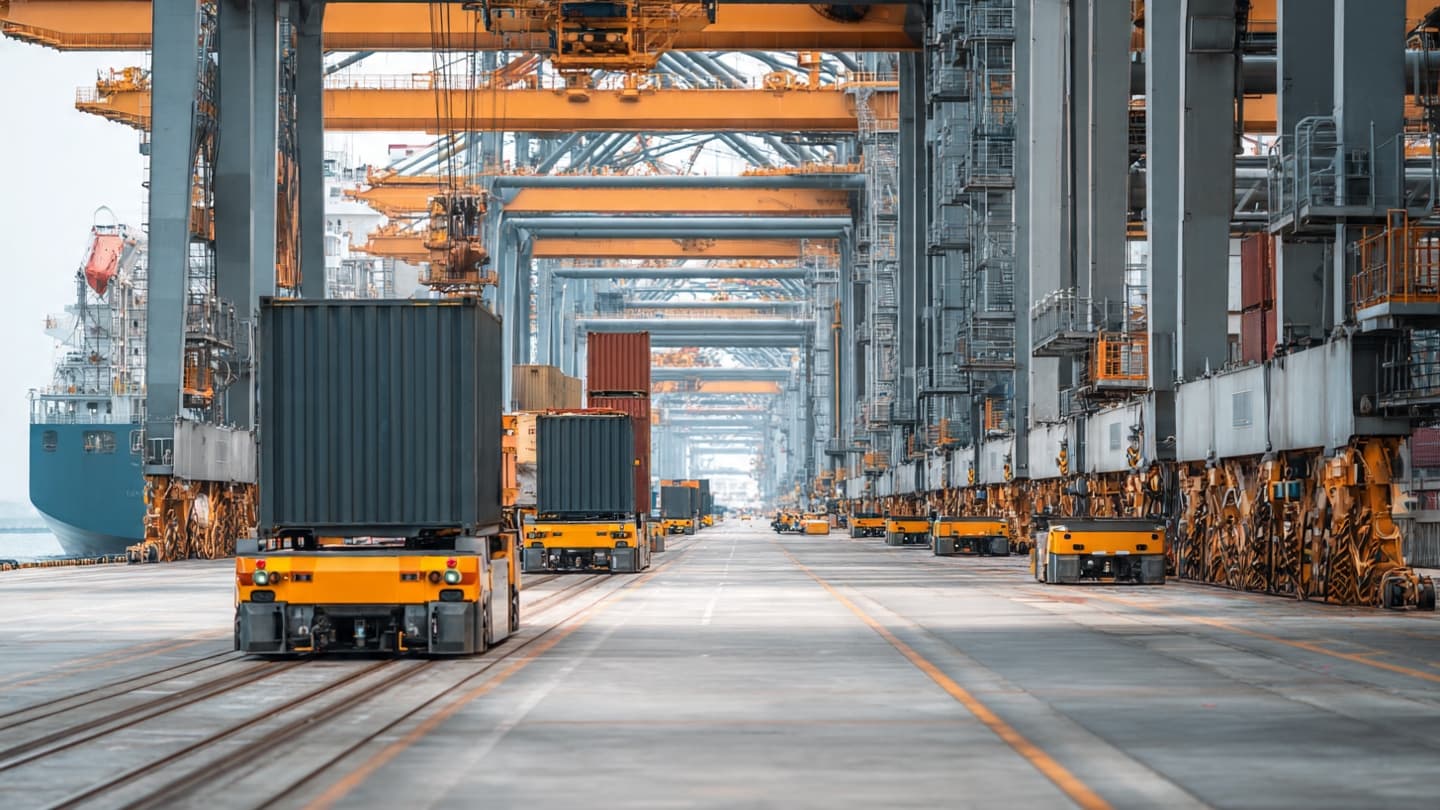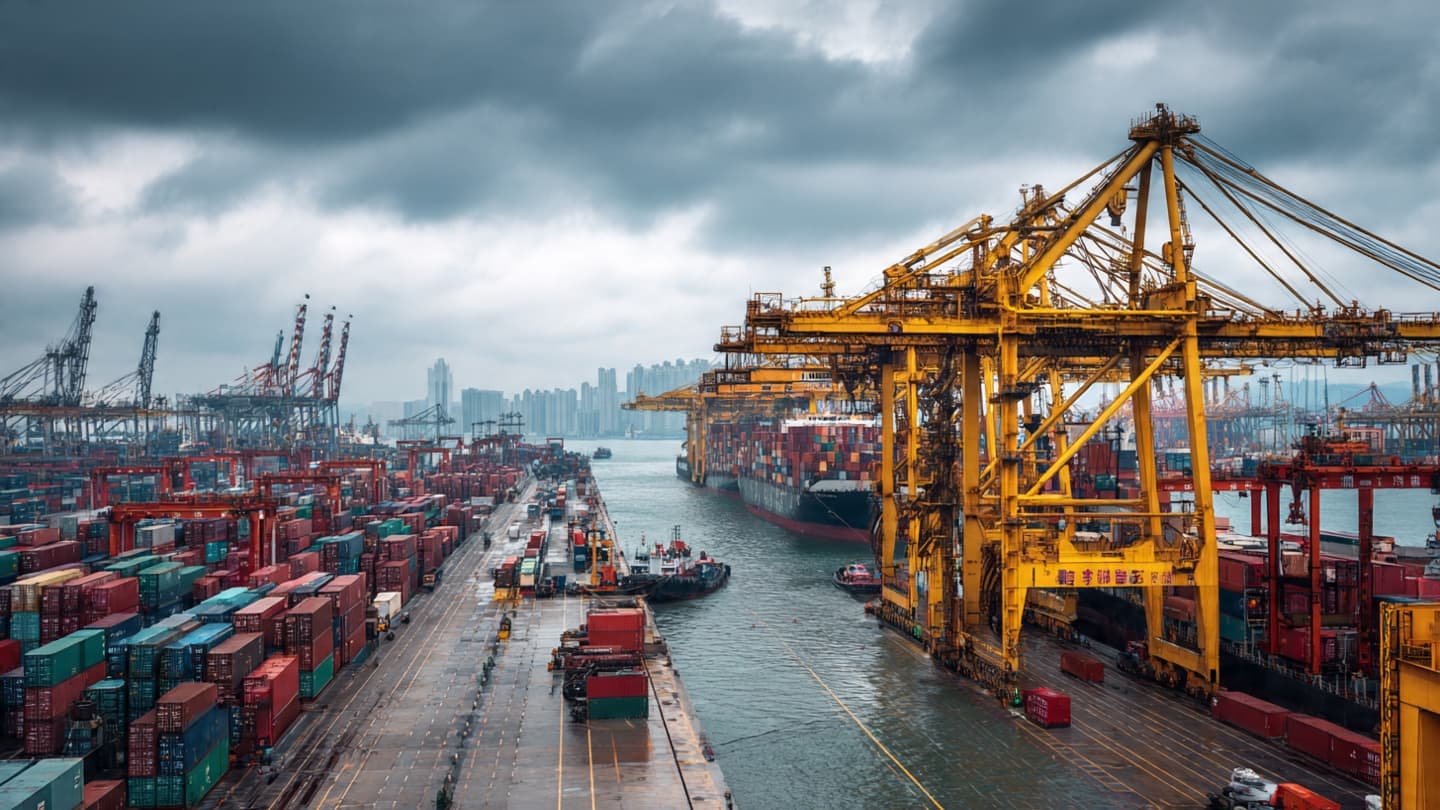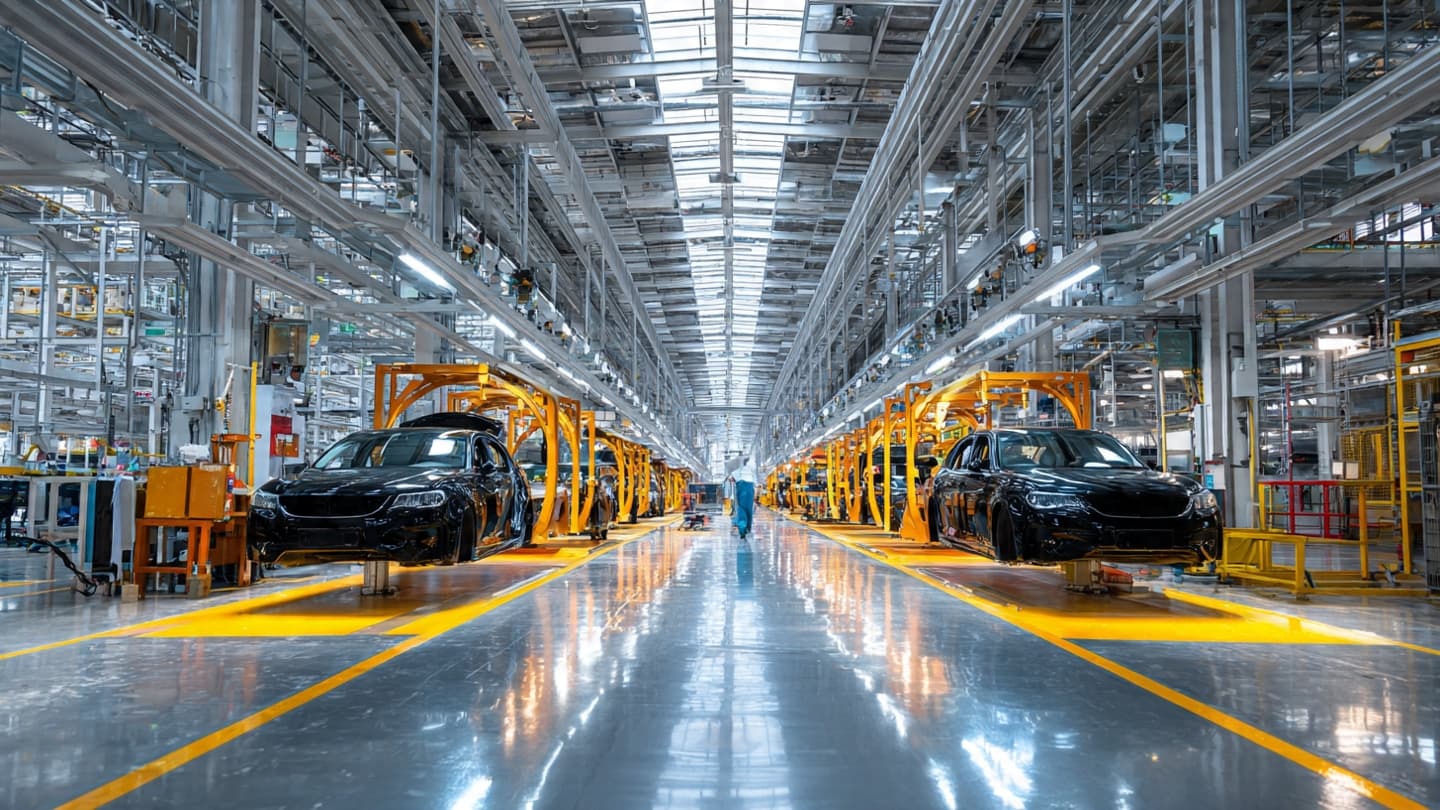
At Japanese ports, automobiles wait in carefully arranged rows before beginning another journey across the sea. Each vehicle represents more than a finished product. It carries parts from suppliers, engineering decisions made months earlier, and the expectations of customers in markets far beyond Japan's shores.
Automobile manufacturing remains one of Japan's most important industrial activities. Companies such as Toyota, Honda, Nissan, Subaru, and Mazda maintain extensive production and sales networks across the world, connecting Japanese factories with consumers across Asia, North America, Europe, and other regions.
The structure of the industry, however, is changing. Electric vehicles, hybrid systems, software-defined features, and increasingly sophisticated driver-assistance technologies are altering the way manufacturers design and produce automobiles.
Hybrid vehicles remain particularly important for Japanese automakers. Toyota has continued to emphasize hybrid technology alongside battery-electric vehicles, reflecting different levels of charging infrastructure and consumer demand across global markets.
The transition is not occurring at the same speed everywhere. Some countries are rapidly increasing electric vehicle adoption, while others continue to rely heavily on gasoline, diesel, and hybrid vehicles. Automakers therefore face the complicated task of developing products for several technological eras at the same time.
Supply chains add another layer. Modern automobiles depend on semiconductors, batteries, specialized metals, electronic components, and software. Disruptions affecting any of these inputs can influence production schedules and delivery times.
Japanese manufacturers have responded by expanding production closer to major markets. Building vehicles in North America, Europe, and other regions can reduce transportation requirements and allow companies to adapt products to local demand.
The global competition is also becoming more intense as Chinese electric vehicle manufacturers expand internationally. Japanese companies are therefore balancing their established strengths in engineering, manufacturing quality, and hybrid technology against rapid developments in batteries and electric vehicles.
Despite these changes, Japan's automobile industry continues to operate on an enormous scale. Its factories remain important employers, its suppliers form extensive industrial networks, and its vehicles continue to travel through global shipping routes.
The road ahead is increasingly defined by flexibility. Japanese automakers must continue adapting their factories and products while serving consumers whose preferences differ from one market to another. The vehicles leaving Japanese ports today therefore belong to an industry that remains familiar in scale but is steadily changing in technology.
AI IMAGE DISCLAIMER
The visuals were generated with AI as conceptual representations of Japan’s automotive industry and are not actual photographs of specific factories or vehicles.
SOURCES
Reuters Japan Automobile Manufacturers Association International Energy Agency
Published by Banx Network. This article is part of the Banx decentralized media programme, powered by the BXE token on the XRP Ledger.